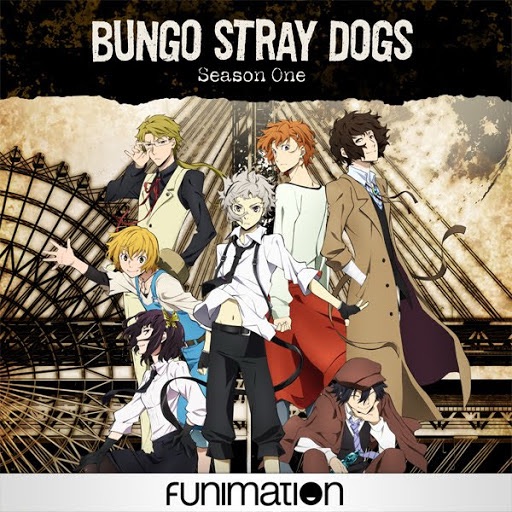
TL;DR: A stylish supernatural detective anime filled with action, eccentric characters, emotional trauma, and morally gray themes. Bungou Stray Dogs blends comedy and darkness in a way that can be surprisingly compelling, though parents should be aware of frequent violence, mafia themes, and recurring suicide-related jokes from one major character that many viewers may find inappropriate or uncomfortable.
Section 1: Bungou Stray Dogs (S1; 12 Episodes) — At a Glance
Anime Summary | Taken directly from MyAnimeList
For weeks, Atsushi Nakajima’s orphanage has been plagued by a mystical tiger that only he seems to be unaware of. Suspected to be behind the strange incidents, the 18-year-old is abruptly kicked out of the orphanage and left hungry, homeless, and wandering through the city.
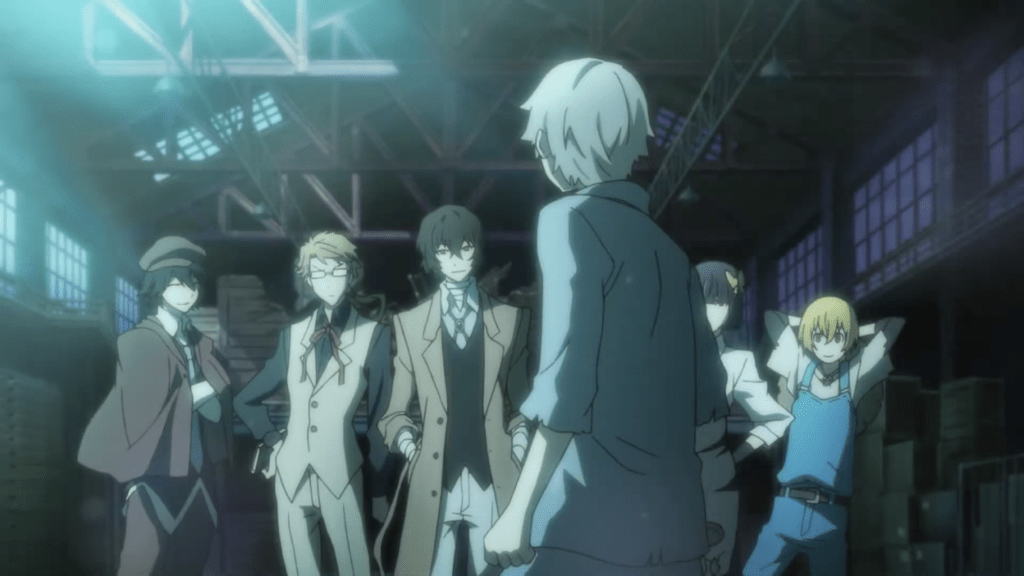
While starving on a riverbank, Atsushi saves a rather eccentric man named Osamu Dazai from drowning. Whimsical suicide enthusiast and supernatural detective, Dazai has been investigating the same tiger that has been terrorizing the boy. Together with Dazai’s partner Doppo Kunikida, they solve the mystery, but its resolution leaves Atsushi in a tight spot. As various odd events take place, Atsushi is coerced into joining their firm of supernatural investigators, taking on unusual cases the police cannot handle, alongside his numerous enigmatic co-workers.
Genres & Themes
Action, Adventure, Mystery, Seinen, Supernatural
MyAnimeList Rating
R-17+ | Teens 17 and Older
The Anime Momma Rating
R-17+ | Teens 17 and Older
Section 2: Star Levels
Each category below is rated on a five-star scale:
⭐ = very little present | ⭐⭐⭐⭐⭐ = a lot present
- Action/Violence Level: ⭐⭐⭐⭐⭐ (5/5)
- Addiction Level: ⭐️⭐️⭐️⭐⭐ (5/5)
- Blood/Gore Level: ⭐⭐⭐⭐⭐ (5/5)
- Inappropriate, Heavy, or Mature Themes or Conduct: ⭐⭐⭐⭐⭐ (5/5)
- Alternative Lifestyle Themes: ☆☆☆☆☆ (0/5)
- Level of Magical Elements: ⭐⭐⭐⭐⭐ (5/5)
- Level of Romance: ⭐☆☆☆☆ (1/5)
Section 3: Star Levels — Explained
Action/Violence Level
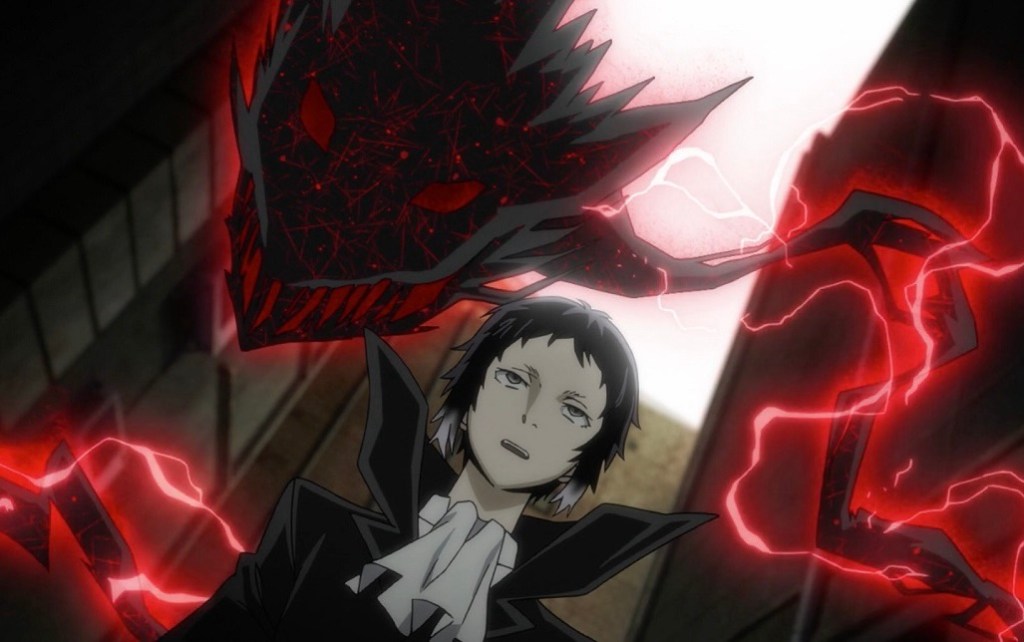
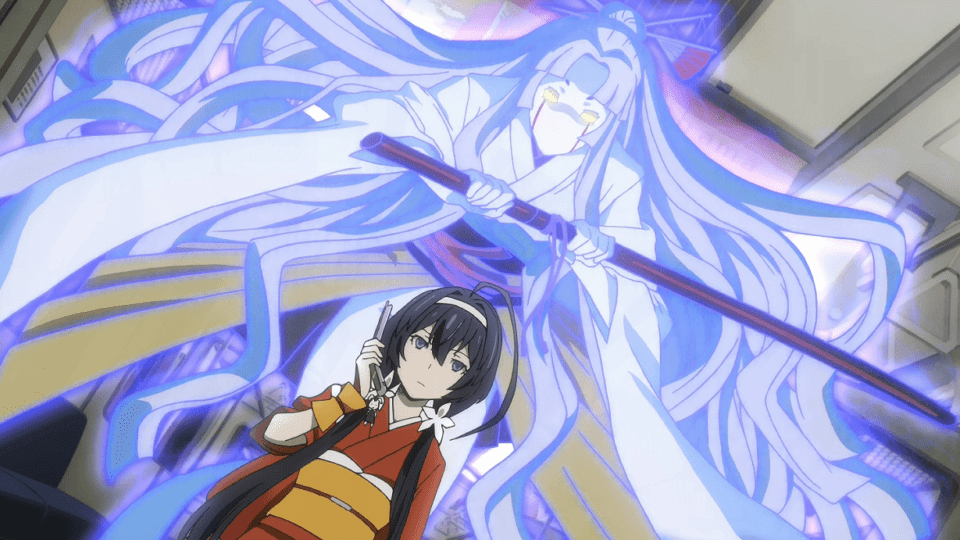
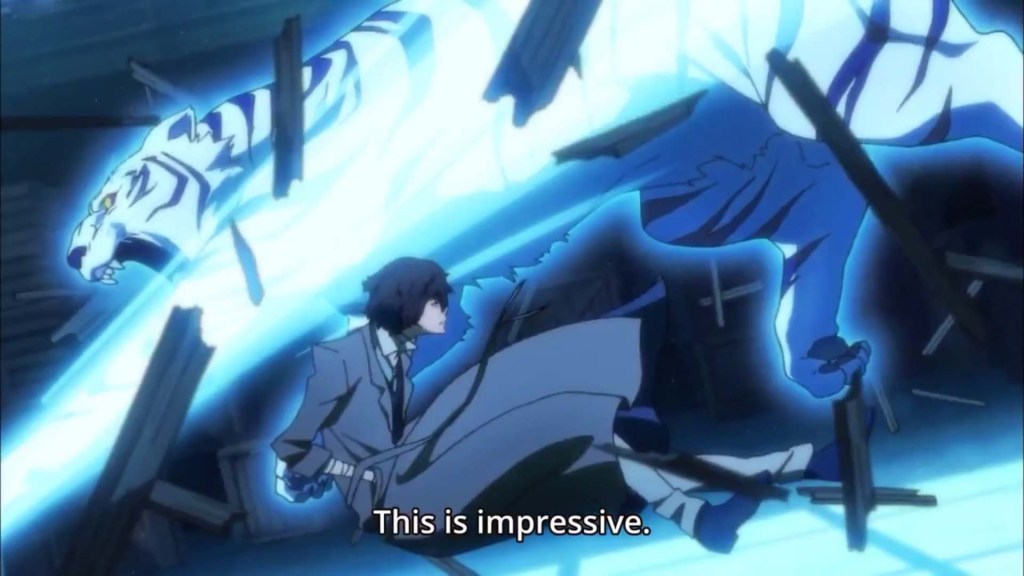
Bungou Stray Dogs contains frequent action and supernatural combat throughout the season. Characters use special abilities during fights, often involving weapons, explosions, hand-to-hand combat, and destructive powers.
While the action is stylish and sometimes comedic in presentation, the violence can still be intense. Viewers will see shootings, stabbings, physical fights, threats, kidnappings, and scenes involving criminal activity. Some characters are willing to kill, and the overall atmosphere can shift quickly from humorous to serious.
This is definitely more of a teen-and-up action anime rather than a lighthearted fantasy adventure.
Addiction Level
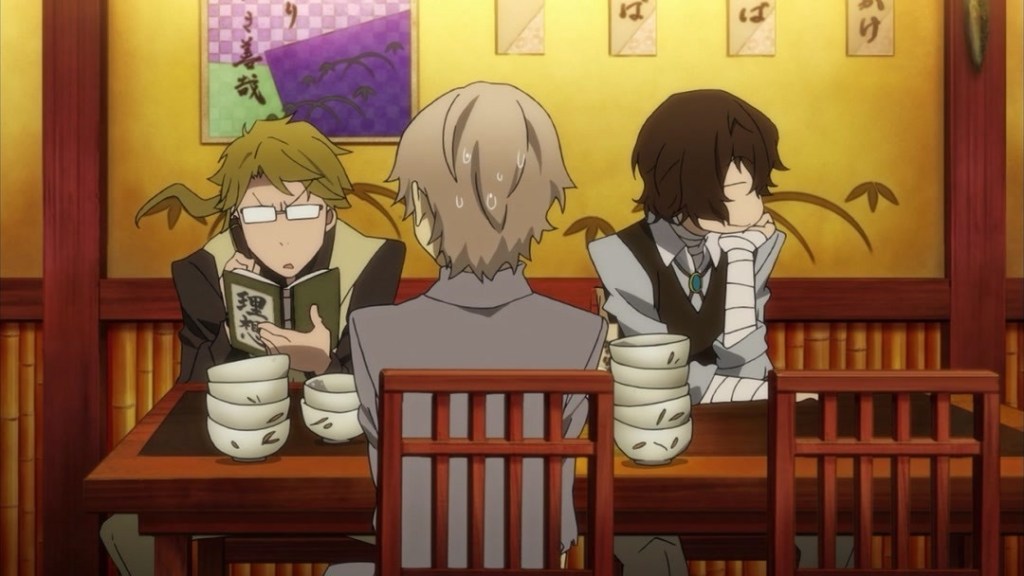
This is one of those anime that becomes increasingly hard to stop watching once the characters and mysteries begin unfolding. The mix of detective work, supernatural abilities, emotional backstories, and morally gray characters keeps the story moving quickly.
The episodes tend to end in ways that naturally pull viewers into the next one, making it very easy to binge “just one more.”
Blood/Gore Level
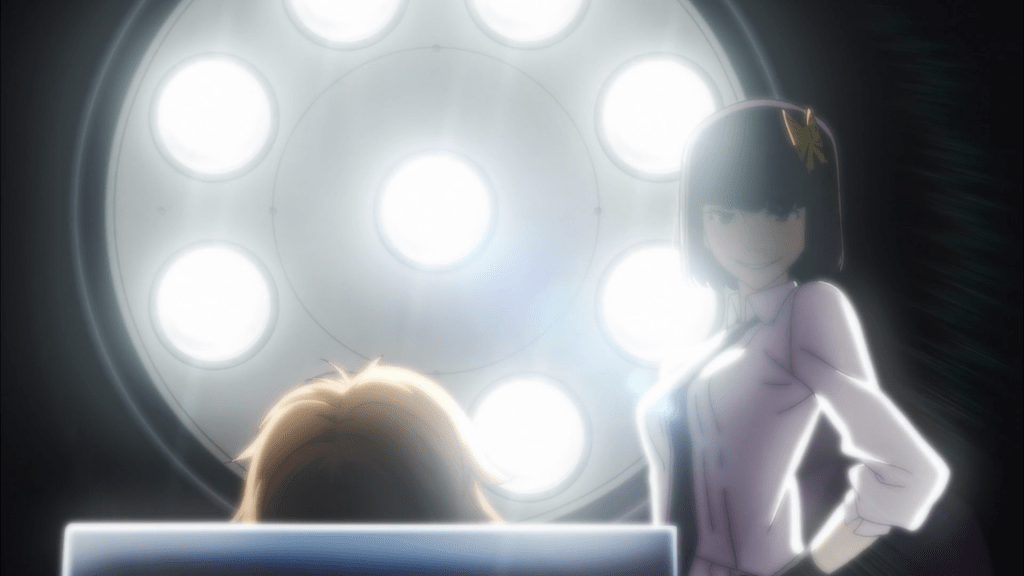
There is visible blood throughout the series, especially during fights and injuries. Viewers may see gunshot wounds, stab wounds, bruises, characters coughing blood, and people injured during combat.
While the series is not especially graphic compared to darker seinen anime, some scenes can still feel brutal due to the emotional weight attached to them. Violence is often stylized rather than realistic, but younger or sensitive viewers may still find certain moments disturbing.


Inappropriate, Heavy, or Mature Themes or Conduct
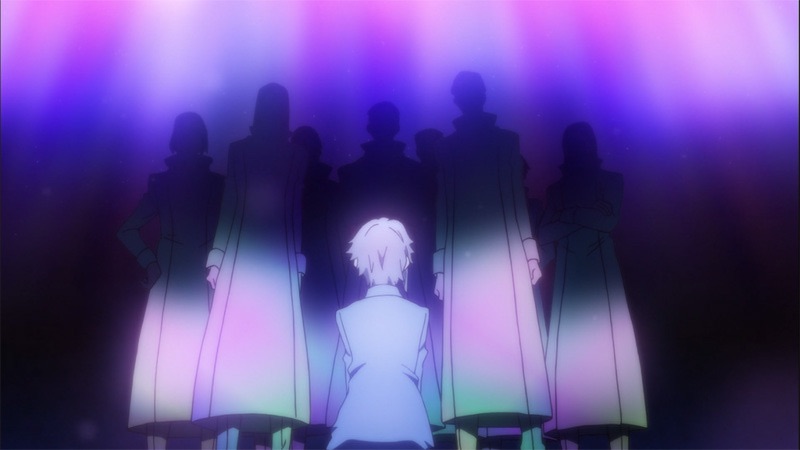
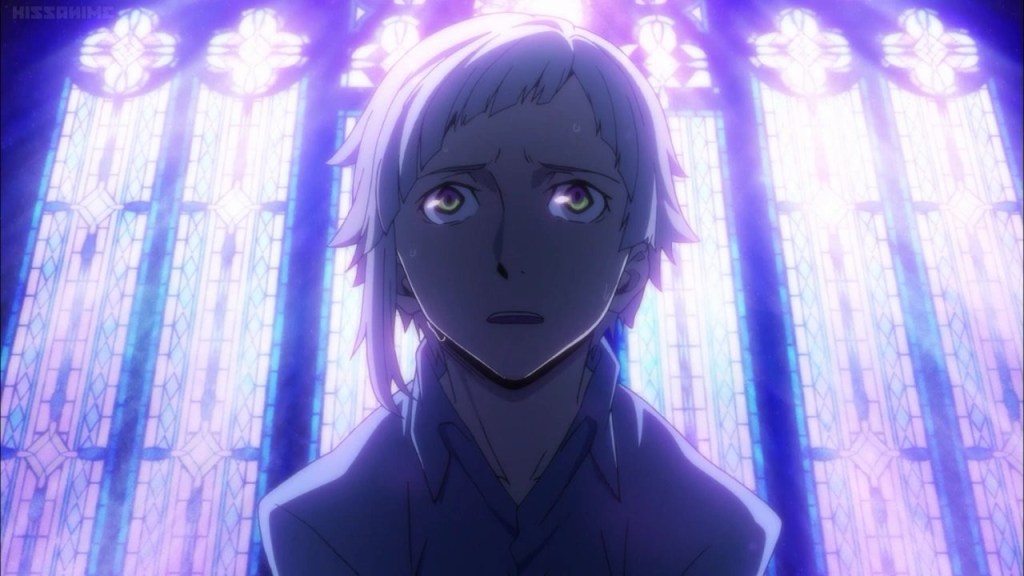
One of the heaviest themes in Bungou Stray Dogs is trauma and emotional suffering. Several characters carry deep emotional wounds tied to abandonment, abuse, violence, or feeling unwanted. Atsushi in particular struggles heavily with self-worth due to the way he was treated growing up in an orphanage. It is important to note for viewers: he was treated with extreme cruelty. An example of this is that he was forced to drive a nail into his own leg. This is discussed later in the series.
The series also includes:
- Criminal organizations and mafia activity
- Threats, manipulation, and intimidation
- Characters discussing death casually
- Frequent drinking among adult characters
- Occasional suggestive humor or comments
- Morally gray characters and situations
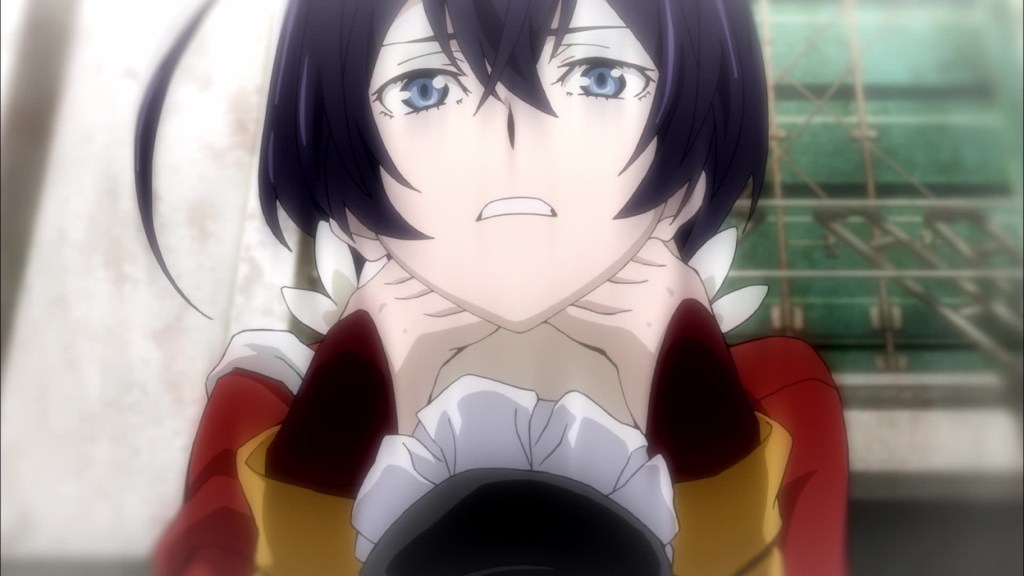
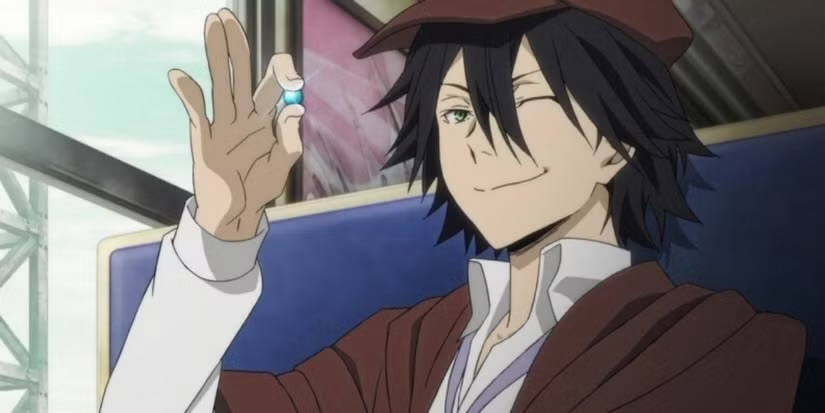
One character trait parents may especially want to be aware of is Osamu Dazai’s ongoing obsession with suicide. This is treated as a recurring comedic gag throughout much of the series, with Dazai frequently joking about wanting to die or searching for ways to commit suicide “beautifully.” While the show presents this humorously rather than graphically, the frequency of these jokes may still be uncomfortable or inappropriate for some viewers.
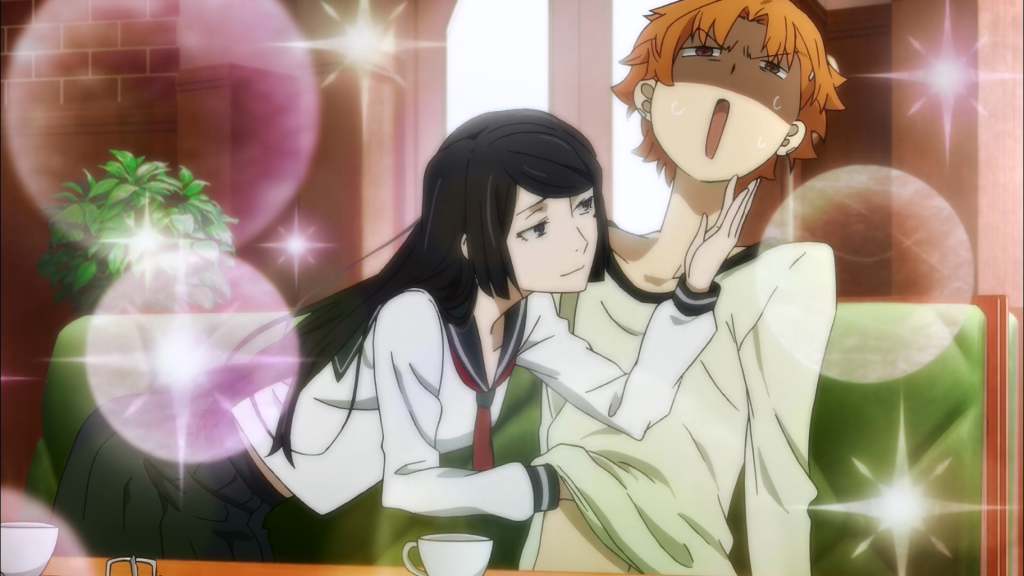
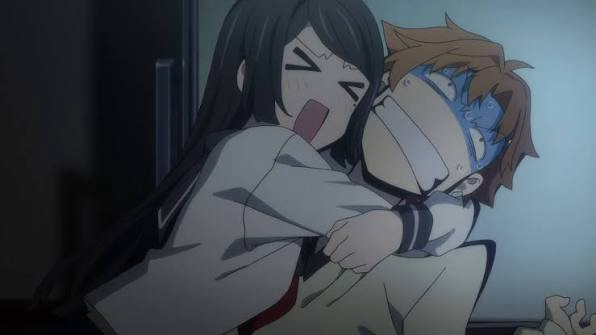
Another character dynamic parents may want to be aware of is the relationship between the Tanizaki siblings. Naomi behaves in an extremely flirtatious and physically affectionate way toward her brother, Junichirou, and many of their interactions are played for comedy. While nothing explicit is shown, the repeated suggestive behavior and sibling dynamic may feel uncomfortable or inappropriate for some viewers.
- Personally, I found these moments both uncomfortable and inappropriate, though the scenes themselves are typically brief enough that I chose to overlook them.

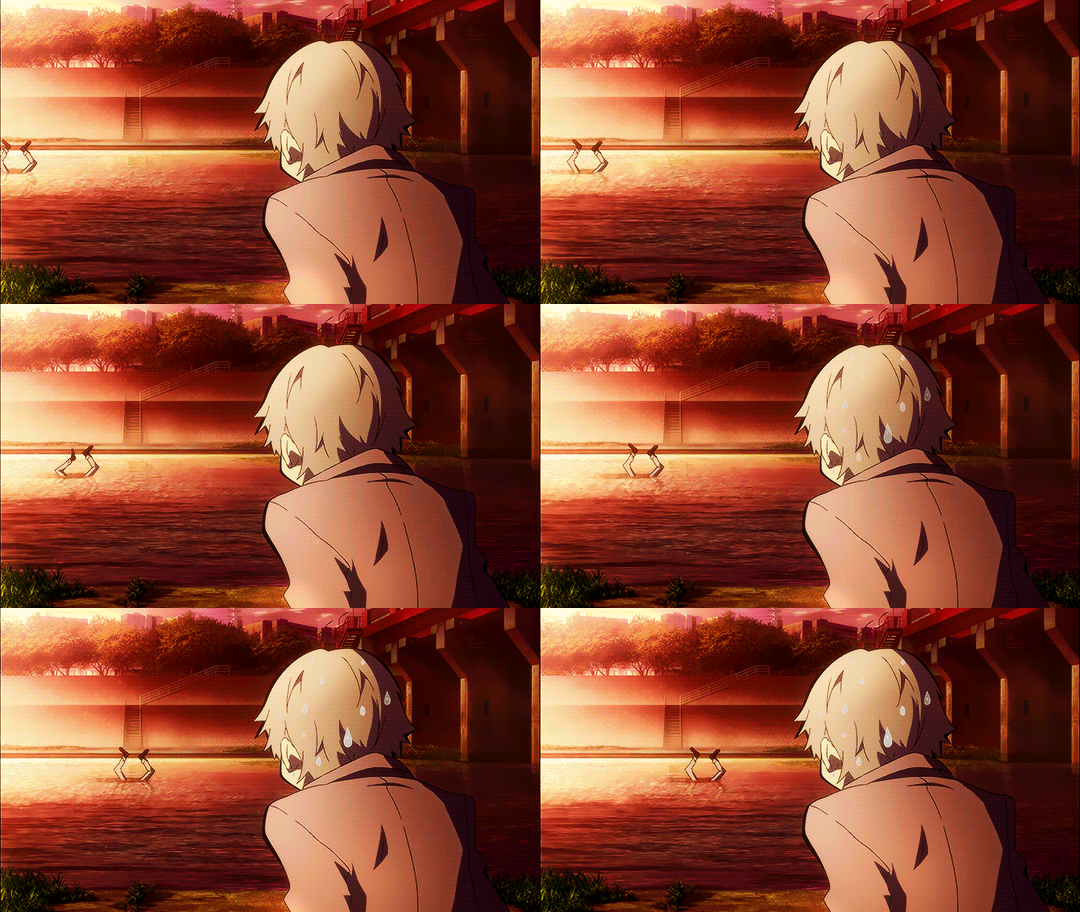
Nothing in Season 1 becomes especially explicit, but the emotional themes and darker humor make this feel much more mature than the colorful art style initially suggests.
Alternative Lifestyle Themes
There are no major alternative lifestyle themes central to the plot in Season 1. (Other than for the Tanizaki siblings, mentioned in the section above.)
Level of Magical Elements
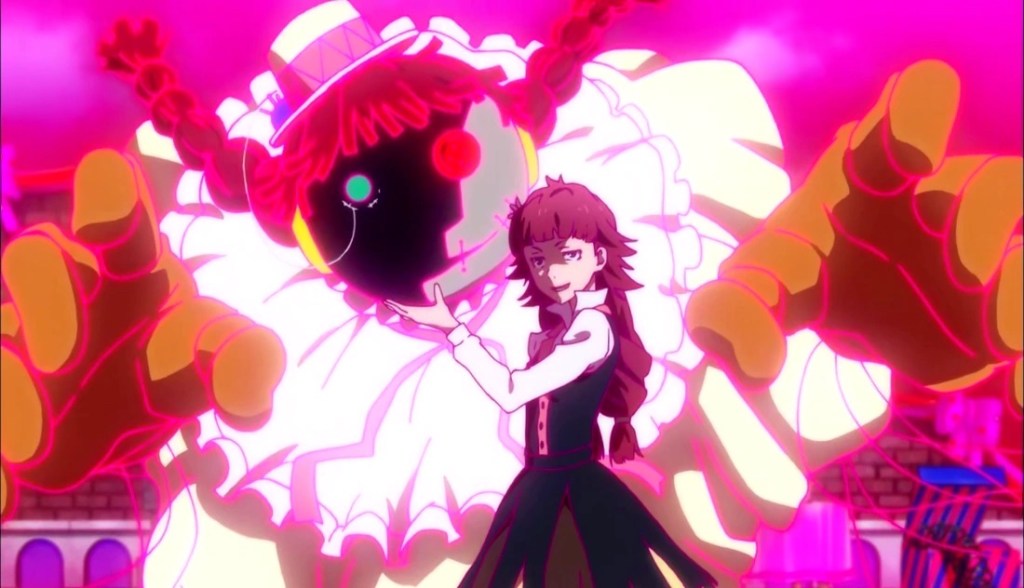
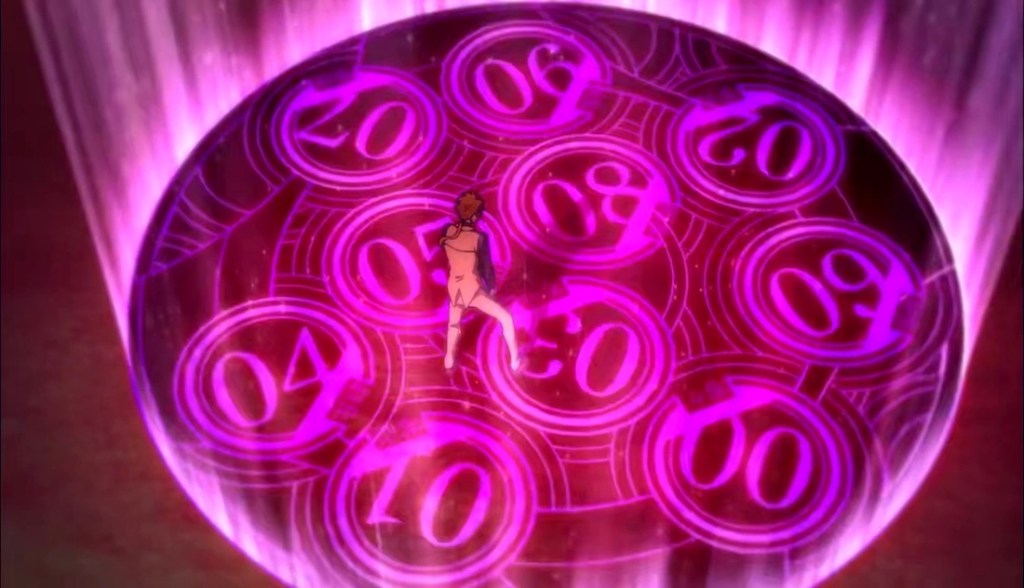
Supernatural abilities are a major part of the series. Some of these abilities can appear dark, destructive, or overwhelming in nature, but each gifted character possesses a unique ability, often tied to famous literary authors and works that shares their name.
Viewers will see:
- Supernatural transformations
- Reality-altering powers
- Enhanced strength and combat abilities
- Summoned creatures or manifestations
- Psychic-style powers and energy attacks
The world itself blends detective fiction, organized crime, and supernatural fantasy together in a very stylized way.

Level of Romance
Romance is very minimal in Season 1 and is not a major focus of the story. Relationships are centered much more around trust, loyalty, mentorship, rivalry, and emotional healing than romance itself.
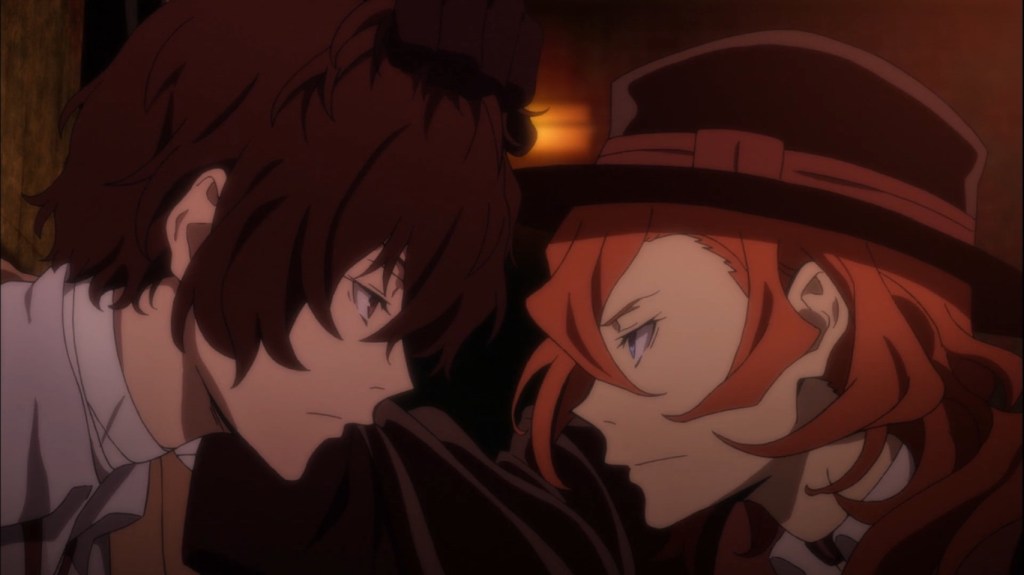
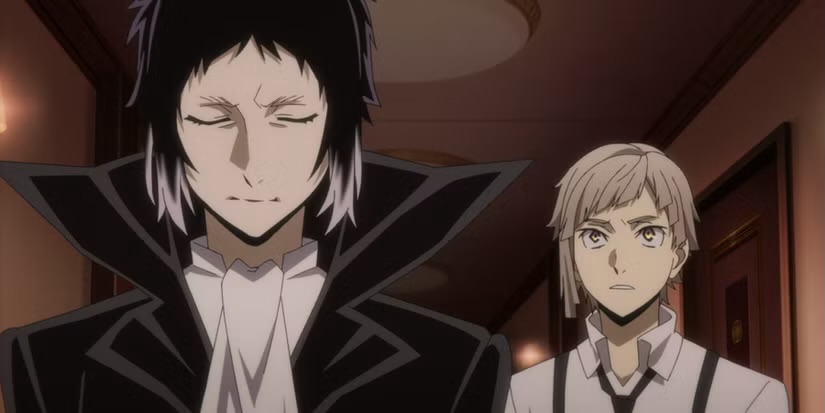
However, much like My Hero Academia, it is very important to note that many parts of the online fanbase can sometimes take the characters far outside the tone of the original story. Fan art, fanfiction, and certain cosplay content can portray the characters in highly sexualized or explicit ways that have nothing to do with the spirit of the show. (These can be found on websites and apps like Pinterest, Archive of our Own, and even TikTok.)
If younger viewers begin exploring the fandom online without guidance, they are very likely to encounter content that is far more mature than the anime itself.
Because of this, I strongly recommend that parents supervise or guide younger fans if they begin interacting with the fandom side of the series.
Section 4: Special Notes for Parents & Guardians
At its core, Bungou Stray Dogs is really a story about broken people trying to find purpose and belonging. Beneath the supernatural fights and eccentric humor are characters wrestling with questions like:
- “Do I deserve to exist?”
- “Can people change?”
- “What gives life meaning?”
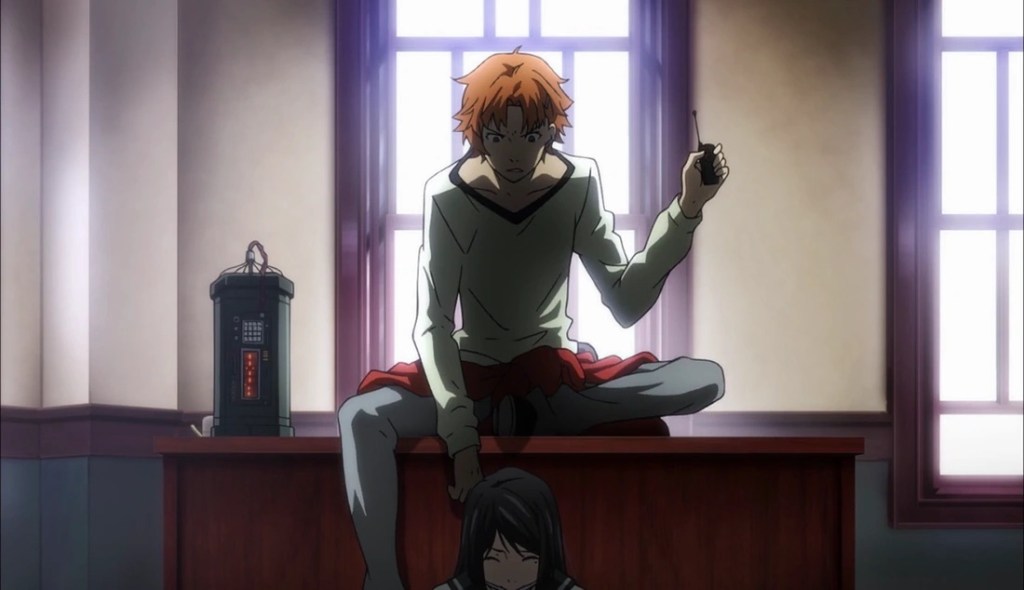
Atsushi’s journey especially may resonate with viewers who struggle with insecurity or feeling unwanted. Much of his arc centers around learning that his value is not determined by how others treated him in the past.
That said, this series can also feel emotionally heavy at times. Trauma, violence, and dark humor are woven deeply into the identity of the show. The anime often balances absurd comedy with surprisingly serious emotional moments, which may feel jarring depending on the viewer.
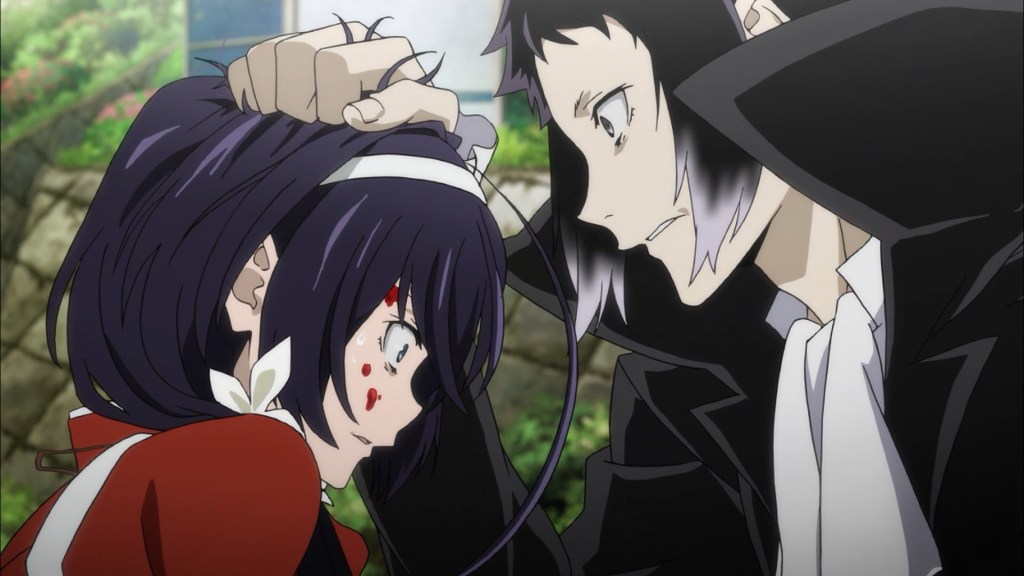
Parents should especially note that Dazai’s suicide jokes are extremely frequent in this series. While they are presented comedically and without graphic detail, they are still constant enough to become a defining part of his character and the show’s humor style. Some viewers may find this off-putting, while others may simply see it as exaggerated anime humor.
Final Thoughts
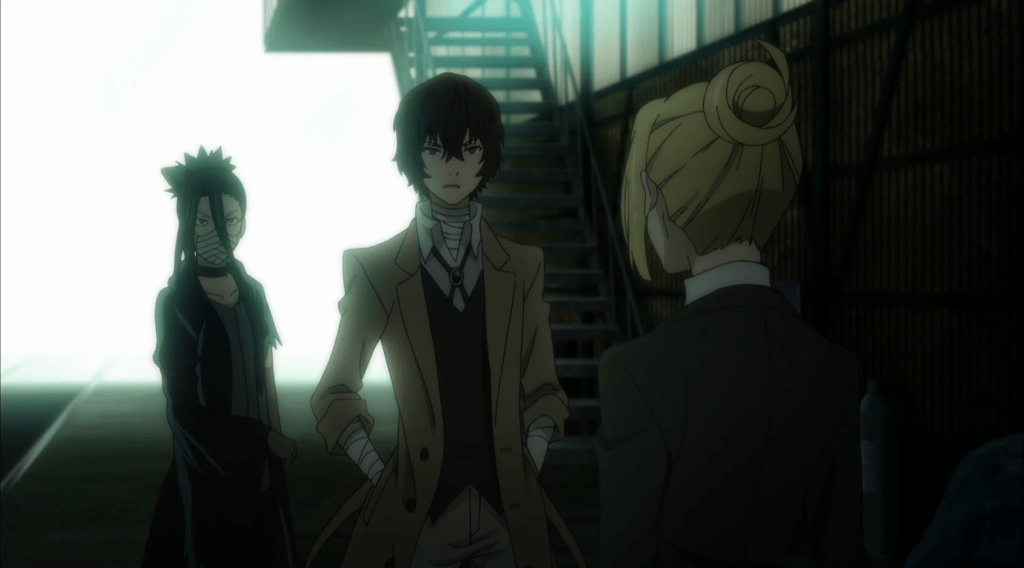
Bungou Stray Dogs is one of those anime that feels strange at first—but the deeper you get into it, the more heart you begin to notice underneath all the chaos.
It’s funny, dramatic, emotional, and occasionally unsettling all at once. One moment you’re laughing at absurd character interactions, and the next you’re watching someone wrestle with loneliness, guilt, or the desire to be accepted.
For older teens especially, Atsushi’s journey can feel deeply relatable. His story is less about becoming “powerful” and more about learning that he has worth in the first place.
This isn’t necessarily a cozy or light series, but it is one with emotional depth—and that’s often what makes people connect to it so strongly.
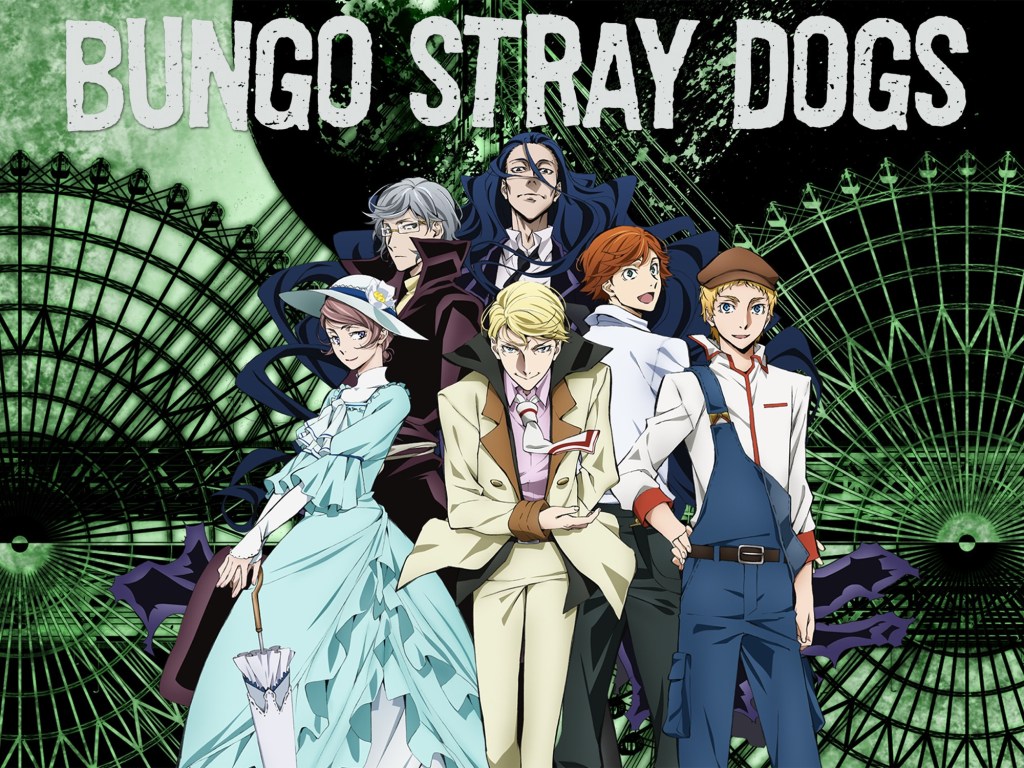
Coming Soon: Bungou Stray Dogs (Season 2) Review
Thank you for reading this review. I look forward to seeing you in our next one. 💛
At The Anime Momma Blog, my goal is simple: Helping parents understand the anime their kids love by guiding families to watch with wisdom and discernment, and grow through meaningful conversation.
Check us out on social media ✨🩵
 The Anime Momma Blog
Leave a comment