My Child Wants to Watch Anime—What Do I Need to Know?
In recent years, anime has grown significantly in popularity, becoming one of the most-watched forms of entertainment across all age groups.
My students watch it. My coworkers watch it. Family members—both young and old—love it. So when a friend tells me their child is interested in anime and asks where to begin, I’m more than happy to help.
When people ask my opinion on anime, I usually give a simple response:
“Anime is great—just make sure you do your research.”
Over time, however, I’ve realized that this isn’t the question parents and guardians are really asking. What they truly want to know is:
“What should I understand about anime before I allow my child to watch it?”
Anime Is Not One-Size-Fits-All
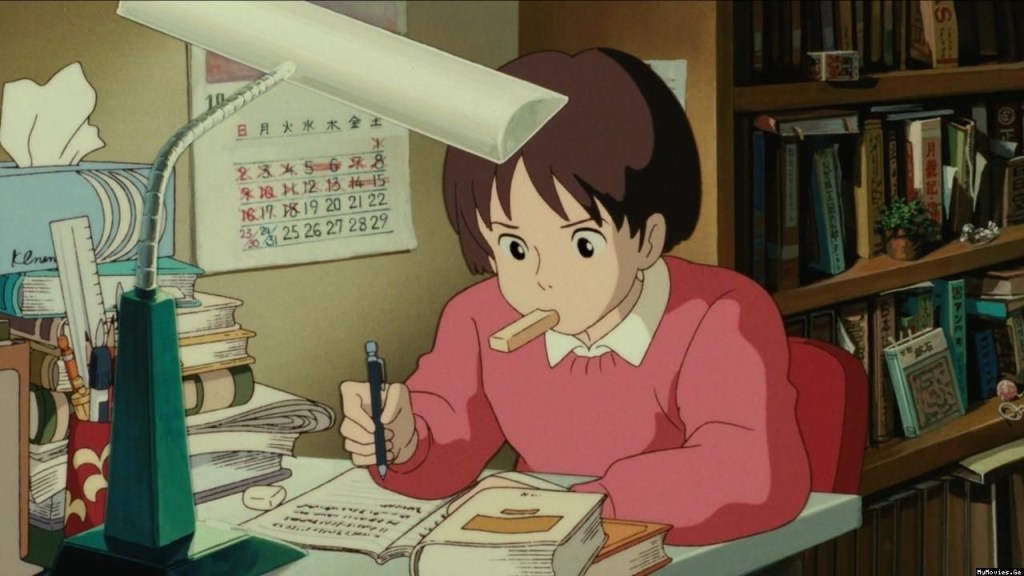
The most important thing to remember is that anime, like any other form of television or film, is not a single genre—it’s a storytelling medium. Saying “anime” is a lot like saying “movies.” That could mean a lighthearted animated comedy, an intense war drama, a fantasy adventure, or a deeply emotional character story.
Some anime is created specifically for young children. Other anime are clearly written with teens or adults in mind. And just like Western entertainment, there’s a wide spectrum of category, age recommendation, etc. in between.
Because of that, anime isn’t something we can label as “all good” or “all bad.” It simply requires the same level of awareness and involvement that we would give to anything else our children watch.
Cultural Context Matters
Anime comes from Japan, and with that comes cultural values, humor, symbolism, and storytelling styles that can feel unfamiliar to Western audiences.
Sometimes what seems strange to us isn’t meant to be shocking—it’s simply normal within Japanese storytelling. Other times, there truly are elements that don’t align with Western values. Wisdom comes from knowing the difference.
This is why I always encourage parents to preview shows when possible, read reviews, and stay engaged. Not because we should fear anime as a whole, but because we are called to be intentional with what we allow into our homes.
As adults and guardians, it’s our responsibility to preview and evaluate all media our children consume—whether it’s anime, live-action TV, movies, Disney content, music, or social media.
Common Themes You May Encounter in Anime
While every show is different, there are recurring themes that appear often enough that parents should be aware of them before diving in. Below are five common elements frequently found across many anime series. While not every show includes all of these, they are worth understanding as you explore anime for your family.
1. Family Values
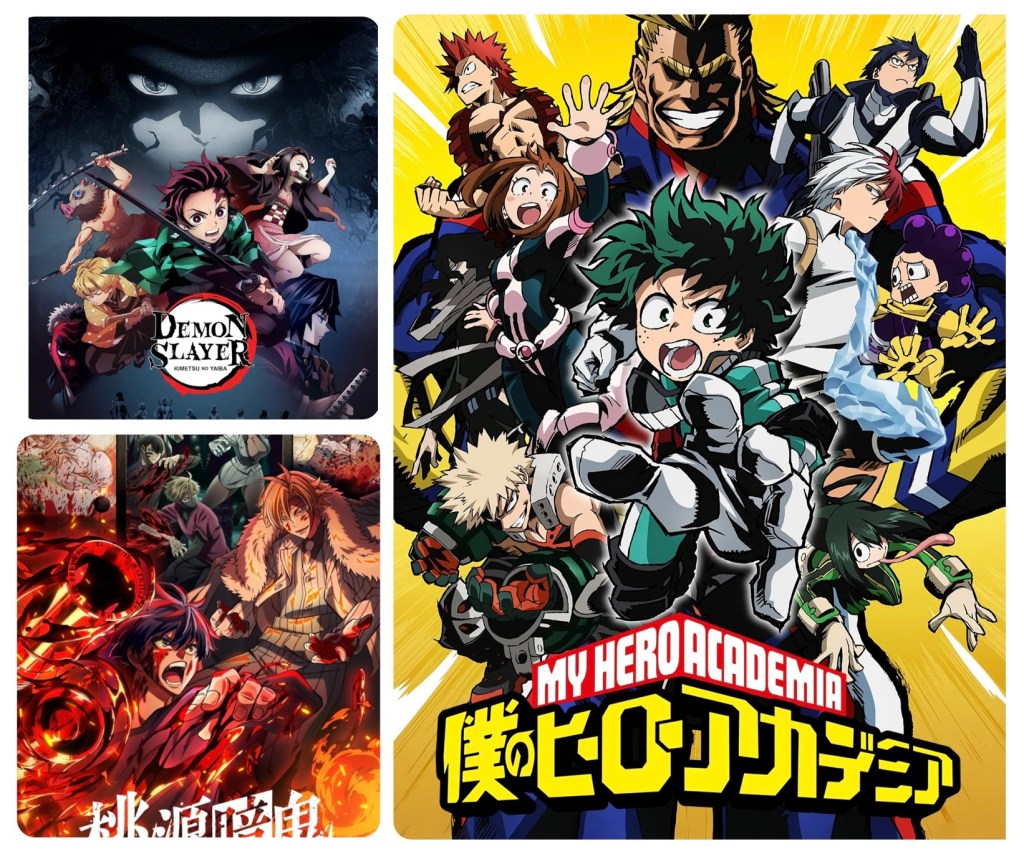
Interestingly, anime places a huge emphasis on family. Sometimes that family is biological. Other times it’s a “found family” made up of friends, teammates, or fellow travelers.
These relationships are often portrayed as fiercely loyal and deeply sacrificial. Characters will go to incredible lengths to protect the people they love, and that can be a beautiful message about commitment, courage, and selflessness.
However, anime can also idealize these relationships. Families may appear perfectly unified despite circumstances that would normally cause strain. For younger viewers, that can create unrealistic expectations about how relationships work in real life.
This is a great opportunity for conversations about what real love looks like—steadfast, yes, but also imperfect and full of grace.
2. Revenge and Secrecy
Revenge is one of the most common emotional drivers in anime storytelling.
A character may begin kind, hopeful, and optimistic—only to experience a tragedy that reshapes their entire purpose. Much of the story then becomes about whether they will choose bitterness or healing, vengeance or justice.
These arcs can be powerful, but they can also be emotionally heavy for younger viewers who aren’t yet equipped to process those moral tensions.
Secrecy is another frequent element, especially in fantasy or supernatural series. Characters often hide their powers, identities, or struggles from loved ones “to protect them.” While this creates compelling drama, it can unintentionally send mixed messages about honesty and trust.
Watching together allows parents to talk through those moments and reinforce the value of truth, accountability, and wise protection rather than isolation.
3. Alternative Lifestyle Representation
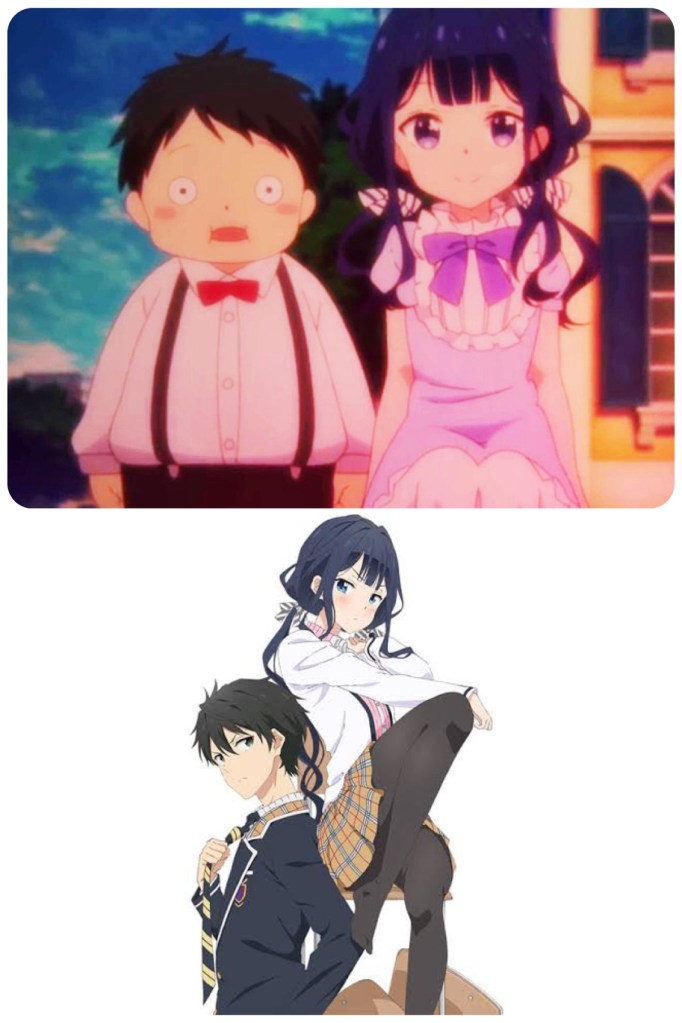
Anime can present gender expression and relationships differently than what many Western families expect.
You may see:
- Male characters drawn with softer or more traditionally feminine features.
- Female characters portrayed as physically strong or emotionally reserved.
- Characters whose personalities intentionally play with those contrasts.
- Relationships with large age gaps, or characters who appear a lot younger or older than they actually are.
- Increasingly, some series include LGBTQ+ characters in either major or minor roles.
Sometimes this is used for humor. Sometimes it’s simply part of the character design. Depending on the situation and/or severity, I may include this information in a different section such as “Level of Romance” or “Inappropriate, Heavy, or Mature Themes or Conduct.”
These moments shouldn’t be about panic—they should be about preparation. Knowing they may appear, and how far the anime might go to display these themes, allows parents to guide conversations instead of being caught off guard.
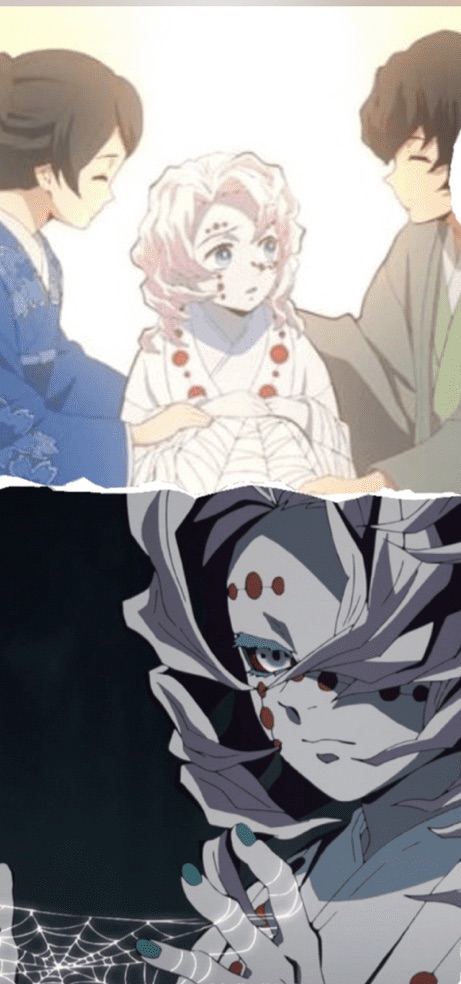
4. “Demons” and Monsters
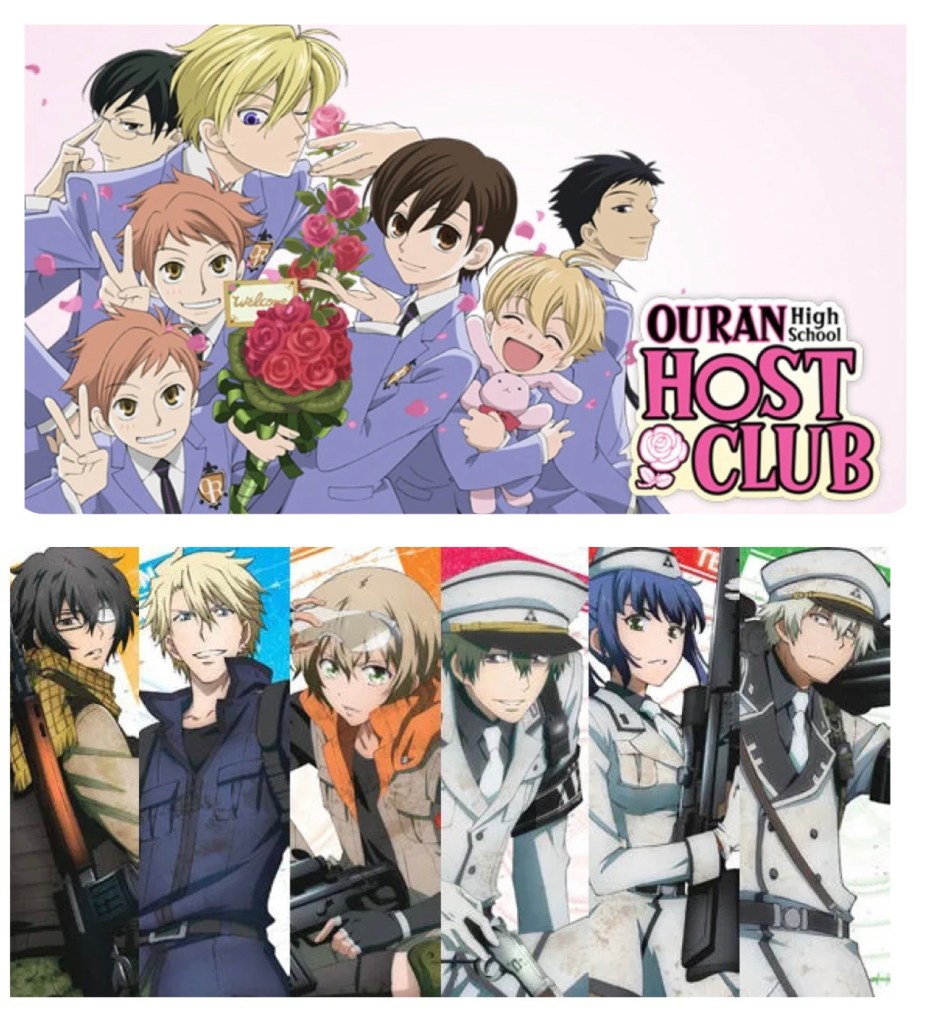
In older anime (especially from the 1990s through the early 2010s), you’ll often hear monsters called “demons.” In most cases, these are not meant to represent religious demons in the Christian sense. Instead, they’re fantasy-style villains—creatures meant to create conflict in the story.
More recent anime sometimes separates the idea of “monsters” and “demons” more clearly, but the wording still changes from series to series. Because of that, I like to pause and ask a few questions before deciding what the show is really portraying:
- Is this anime trying to be religious in nature? If so, does that religion closely resemble Christianity?
- If yes, are these “demons” described as beings from an underworld who exist to destroy or corrupt?
- Are the good characters striving to follow moral truths given by their god or belief system—even if they struggle and grow along the way?
- Are the villains presented as choosing evil without repentance?
Once I’ve asked myself those questions, I also try to take into account how anime storytelling often differs from a biblical worldview:
- Many anime villains are written with deeply human emotions, tragic pasts, or sympathetic motivations.
- Viewers are sometimes encouraged to feel compassion for them, rather than seeing them as wholly given over to evil.
This can actually open the door to meaningful family conversations about the difference between fantasy “monsters” created for storytelling, versus the very real spiritual battle from the Evil One that Scripture describes in John 10:10.
5. Inappropriate, Heavy, or Mature Themes or Conduct
There are several aspects that could go into this particular category: Action/Violence and Blood/Gore being one of them, but they are discussed in their own separate sections in my reviews, so we will focus on other aspects that parents or guardians might want to be aware of.
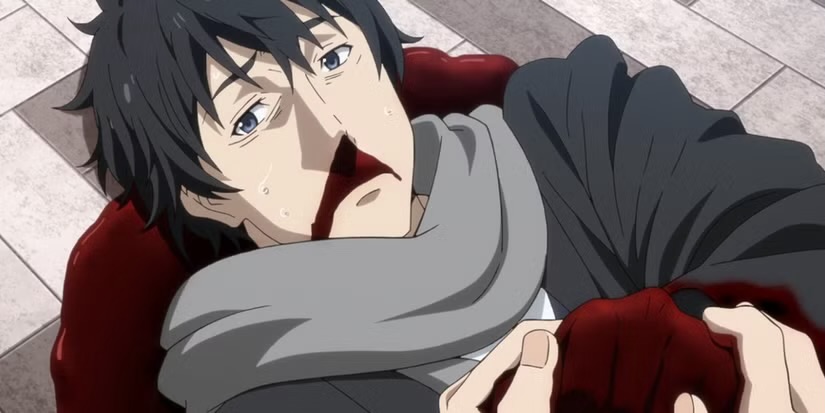
Not all concerns fall into obvious categories like violence. Some are more subtle but still worth noting.
Language:
- Subtitled versions especially may include stronger language than expected. English dubs sometimes soften this, but it varies widely.
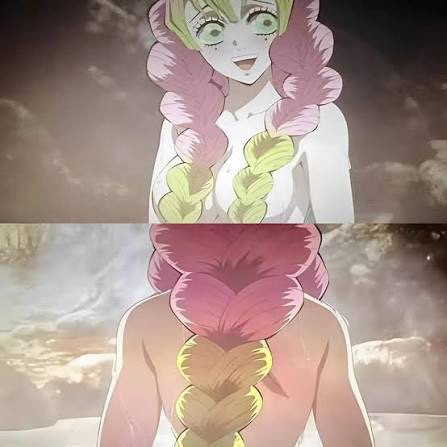
Sexualized Imagery (“Fanservice”):
- This can range from brief comedic moments to unnecessarily revealing character designs. Sometimes it’s mild. Sometimes it’s distracting. Knowing it exists, and knowing the extent the anime might show its viewers can help families decide what they’re comfortable with.
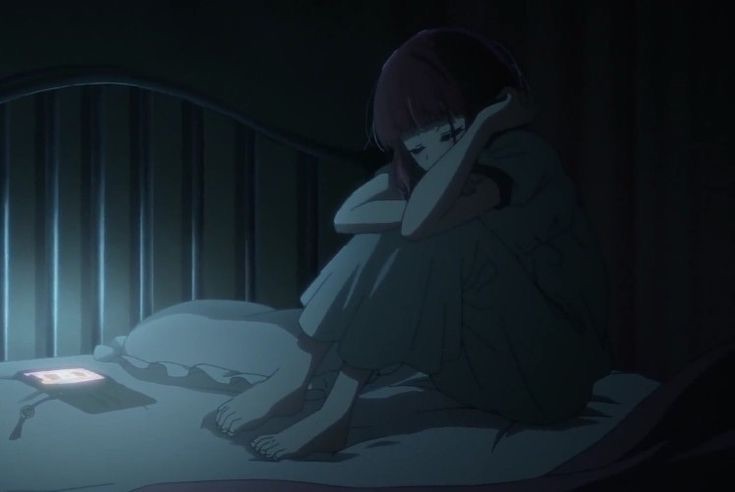
Emotional Themes:
- Anime frequently explores topics like bullying, grief, trauma, illness, abuse of authority, or identity struggles. These are often used to deepen the story rather than shock the viewer—but they can still be heavy.
- Especially for older kids and teens, these themes can open the door to excellent conversations when guided well.
What I Rate in My Reviews
Every review on The Anime Momma Blog is designed to give parents a clear snapshot of what to expect. I break things down into practical categories so you don’t have to guess:
- Action/Violence Level
- Addiction Level
- Blood/Gore Level
- Inappropriate, Heavy, or Mature Themes or Conduct
- Alternative Lifestyle Themes
- Level of Magical Elements
- Level of Romance
If something doesn’t neatly fit those categories, I include it in Section 4: Special Notes for Parents & Guardians, where I can explain context more fully.
A Final Note for Parents and Guardians
If you’re new to anime, it can feel overwhelming at first—but it doesn’t have to be.
Anime is simply another storytelling tool. Like books, movies, or music, it can be uplifting, thought-provoking, funny, or sometimes frustrating. The key isn’t avoidance—it’s engagement.
My goal is not to tell families what they should or shouldn’t watch. My goal is to equip you with the information you need to decide wisely for your household.
With a little research, a little conversation, and a willingness to stay involved, anime can become just another avenue for connection, discussion, and even encouragement in your family’s media journey.

Thank you for reading. I look forward to seeing you on our next review. 🩵
At The Anime Momma Blog, my goal is simple: helping parents understand the anime their kids love so families can watch with wisdom, discernment, and great conversations along the way.
Check us out on social media ✨
 The Anime Momma Blog
Leave a comment