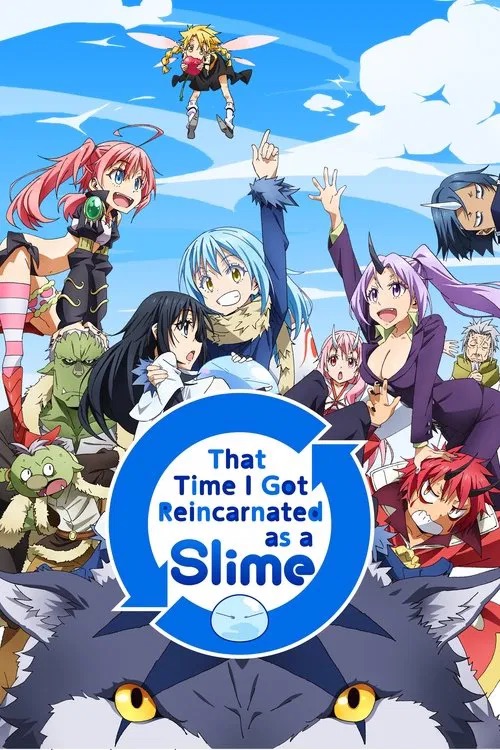
TL;DR: That Time I Got Reincarnated as a Slime (S1) is a fun, creative fantasy with strong comedy and world-building—but it comes with intense fanservice and some grey themes that parents should be aware of. Sexualized imagery is frequent; and some backstories imply abuse and trauma. Best suited for teens, though guidance is recommended for younger viewers.
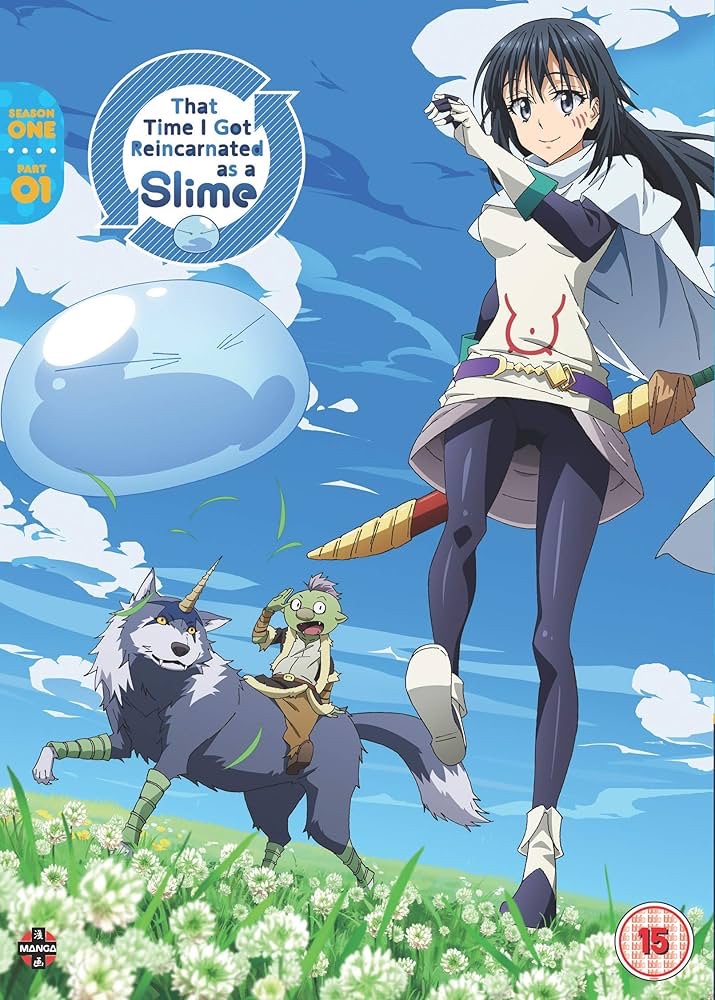
Section 1: That Time I Got Reincarnated as a Slime (Season 1; 24.5 Episodes) — At a Glance
Anime Summary | Taken Directly from MyAnimeList
Thirty-seven-year-old Satoru Mikami is a typical corporate worker, who is perfectly content with his monotonous lifestyle in Tokyo, other than failing to nail down a girlfriend even once throughout his life. In the midst of a casual encounter with his colleague, he falls victim to a random assailant on the streets and is stabbed. However, while succumbing to his injuries, a peculiar voice echoes in his mind, and recites a bunch of commands which the dying man cannot make sense of.
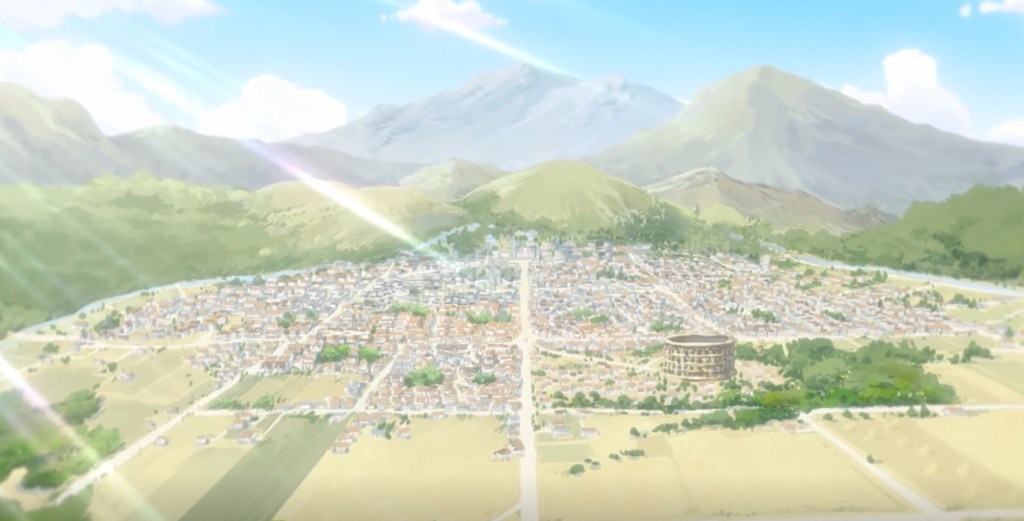
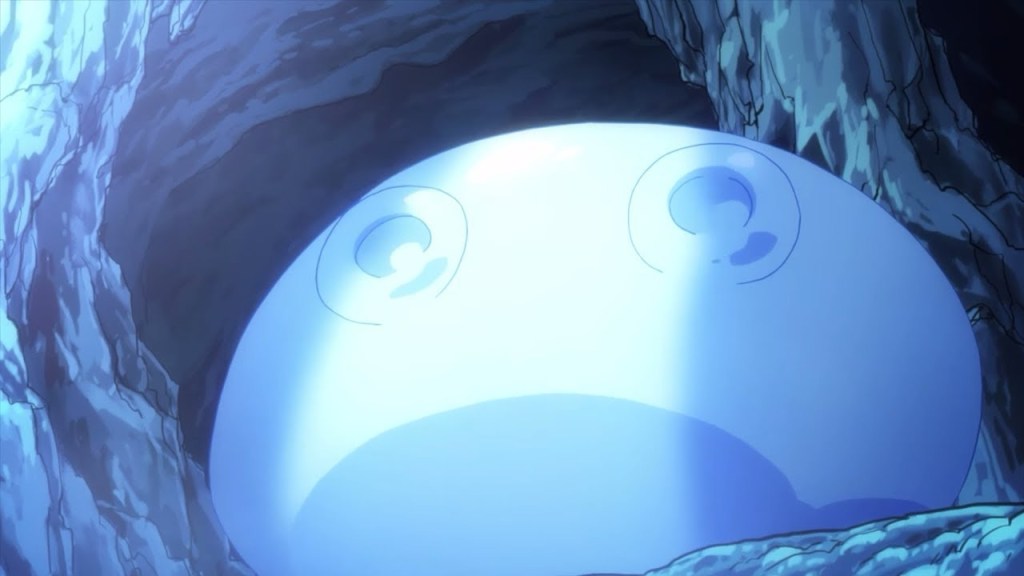
When Satoru regains consciousness, he discovers that he has reincarnated as a goop of slime in an unfamiliar realm. In doing so, he acquires newfound skills—notably, the power to devour anything and mimic its appearance and abilities. He then stumbles upon the sealed Catastrophe-level monster “Storm Dragon” Veldora who had been sealed away for the past 300 years for devastating a town to ashes. Sympathetic to his predicament, Satoru befriends him, promising to assist in destroying the seal. In return, Veldora bestows upon him the name Rimuru Tempest to grant him divine protection.
Now, liberated from the mundanities of his past life, Rimuru embarks on a fresh journey with a distinct goal in mind. As he grows accustomed to his new physique, his gooey antics ripple throughout the world, gradually altering his fate.
Genres & Themes
Action, Comedy, Fantasy, Fanservice/Sexualized Imagery, Isekai (Reincarnation)
MyAnimeList Rating
PG-13+ | Teens 13 and over
The Anime Momma Rating
PG-11+ | Parental guidance recommended between ages 11–14 due to sexualized imagery
Section 2: Star Levels
Each category below is rated on a five-star scale:
⭐️ = very little present | ⭐️⭐️⭐️⭐️⭐️ = a lot present
- Action/Violence Level: ⭐️⭐️⭐️⭐️☆ (4/5)
- Addiction Level: ⭐️⭐️⭐️⭐️☆ (4/5)
- Blood/Gore Level: ⭐️☆☆☆☆ (1/5)
- Inappropriate, Heavy, or Mature Themes or Conduct: ⭐️⭐️⭐️⭐️☆ (4/5)
- Alternative Lifestyle Themes: ⭐️☆☆☆☆ (1/5)
- Level of Magical Elements: ⭐️⭐️⭐️⭐️⭐️ (5/5)
- Level of Romance: ⭐️⭐️☆☆☆ (2/5)
Section 3: Star Levels—Explained
Action/Violence Level
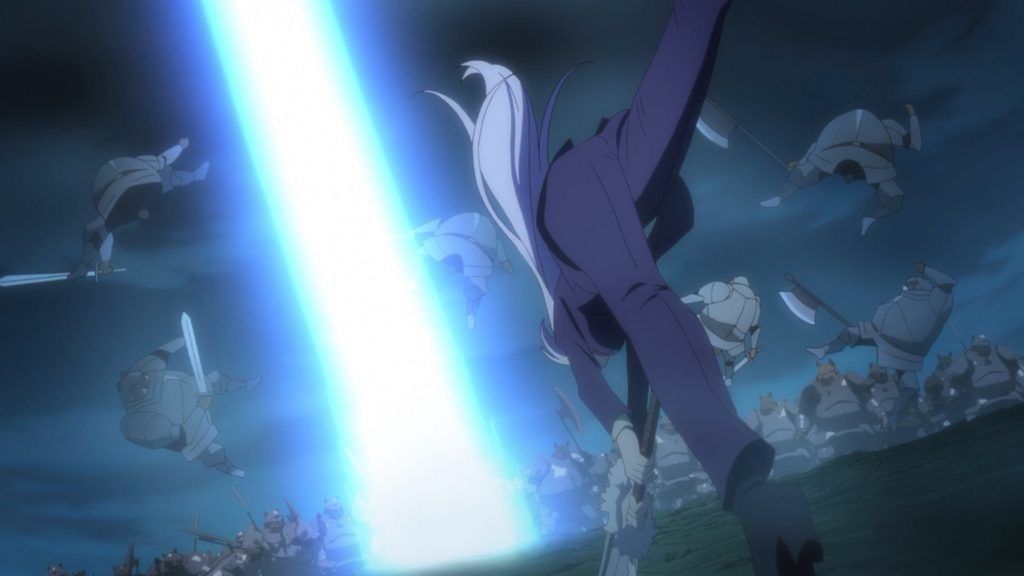
This season features frequent wars and large-scale battles, often involving magic, swords, monsters, and supernatural abilities. Action is a major part of the story, but it tends to be more fantastical than realistic.
There are many notable battles throughout the season. While the conflict is intense, the violence itself is restrained—viewers mostly see blood splotches and bleeding wounds, rather than graphic violence or injury.
Addictiveness Level
I’ll be honest—despite some content concerns (covered below), I’ve watched this anime multiple times since it first aired.
The combination of comedy, world-building, and Rimuru’s wildly creative magic system makes this series incredibly engaging. Rimuru’s growth as a leader, paired with the show’s humor and charm, makes it very easy to say, “Just one more episode.”
That being said, I did tire of the content concerns and have not watched it for roughly a year or two before this review.
Blood/Gore Level
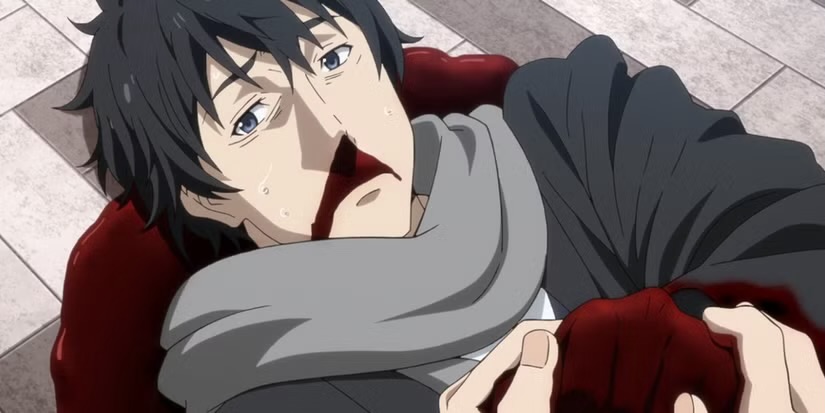
The most intense “bloody” moment comes right at the beginning: Satoru—Rimuru’s human life—is stabbed and left bleeding heavily, eventually dying in a pool of his own blood. Blood is shown on his face and soaking into the ground, and his friend’s hands become covered as he tries to help him. This scene is emotional and visually heavy, though brief.
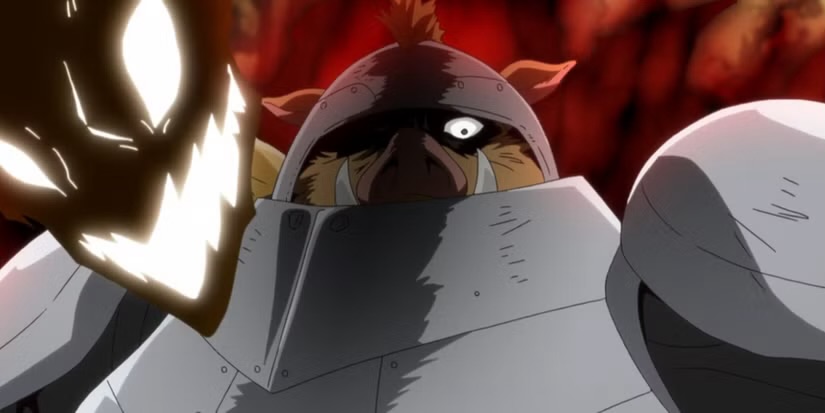
Later, in Episodes 12–14, the Orc storyline introduces darker material. Possessed by a higher power, Orcs are shown beheading others and participating in cannibalism in order to gain power. These moments are disturbing in concept, though again, the visuals avoid extreme gore.
Inappropriate, Heavy, or Mature Themes or Conduct
There is profanity in this season, though most of it comes from side characters. Rimuru does a wonderful job of substituting his language for less serious, more comical terms like “What the what?!” over “What the hell?!”, etc.
As Satoru lies dying in the first episode, he asks his friend to destroy his computer hard drive, strongly implying that he had been viewing inappropriate material. While nothing explicit is shown in that moment, a later scene confirms this implication when a sexualized, big-chested woman briefly appears on screen. The show leaves the specifics vague, but the intent is clear.
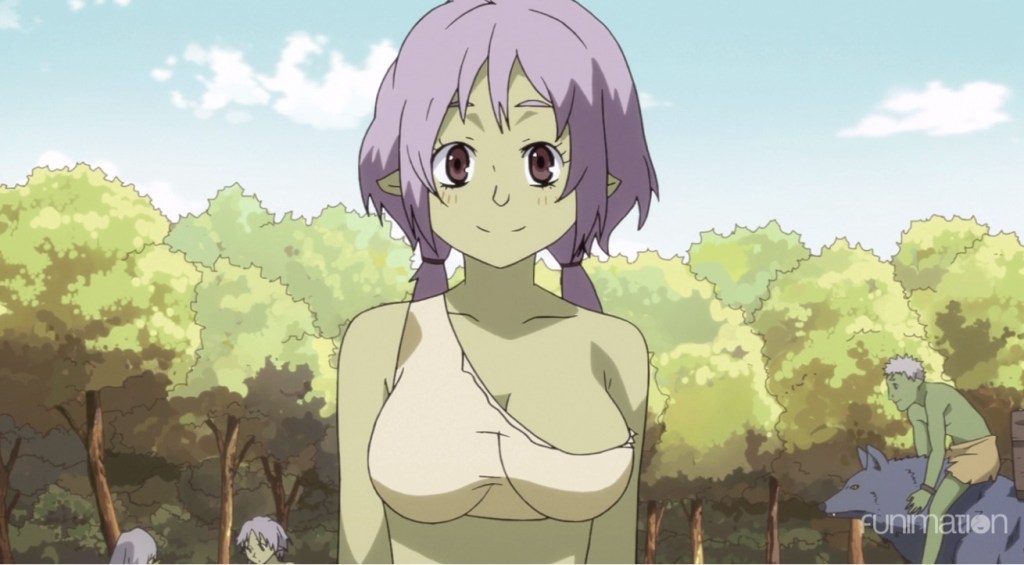
After reincarnating as Rimuru, he makes an offhand joke that a stealth skill would be useful for “peeping.” It’s meant as humor, but it’s worth noting.
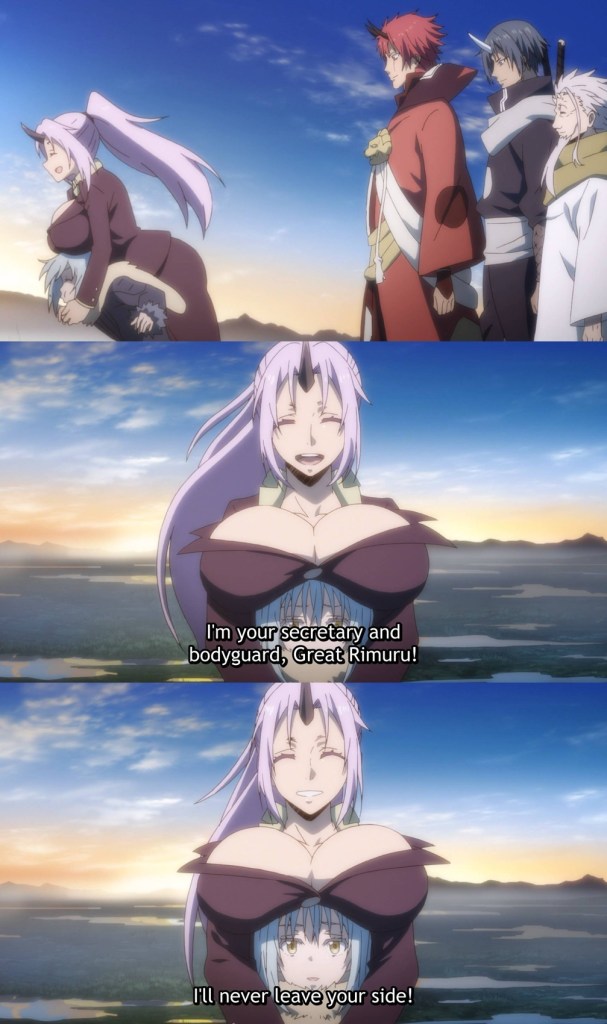
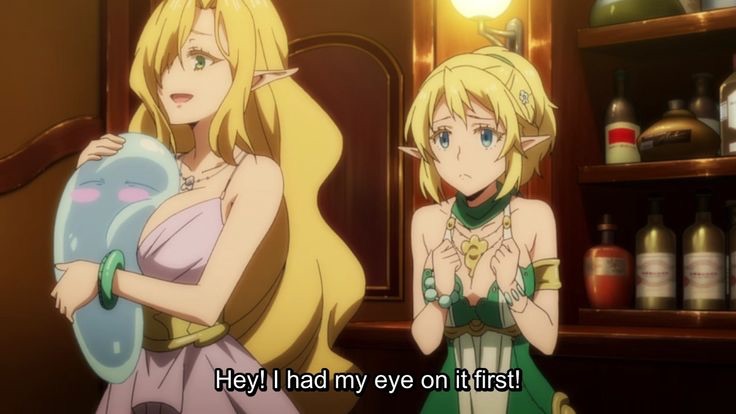
From Episode 3 onward, fanservice becomes much more common. Cleavage is frequently shown, and by Episode 5, scantily clad female characters are the norm. Some scenes include exaggerated movement (bouncing or jiggling), which can be uncomfortable for families trying to avoid sexualized imagery.
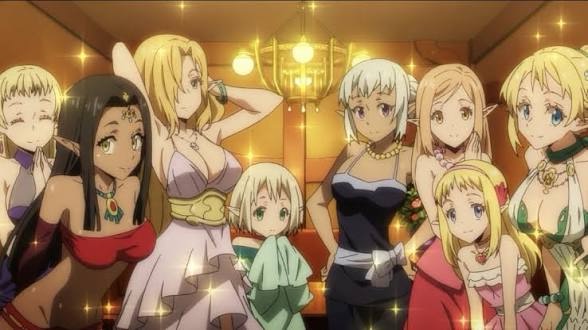
Later, Rimuru visits a hostess bar staffed by beautiful female Elves in revealing outfits. While Rimuru’s reaction is more comedic than lustful, there are repeated moments where he is physically surrounded by women in very suggestive ways.
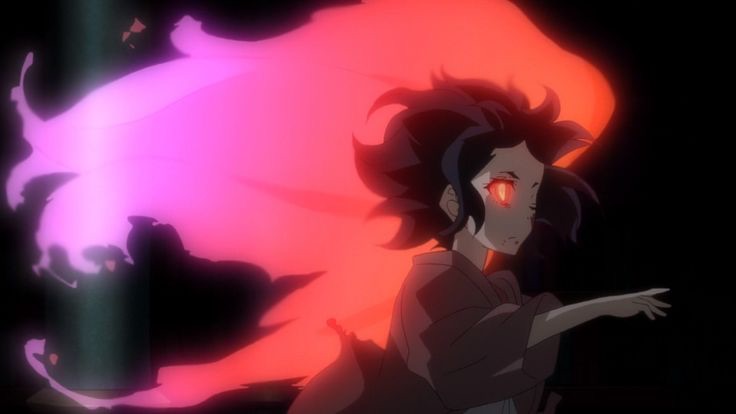
One of the heavier themes appears through Shizu’s backstory. She tells Rimuru how she was used and abused by the man who summoned her for her magical abilities. Her nightmares and trauma suggest exploitation beyond what is explicitly stated.
Alternative Lifestyle Themes
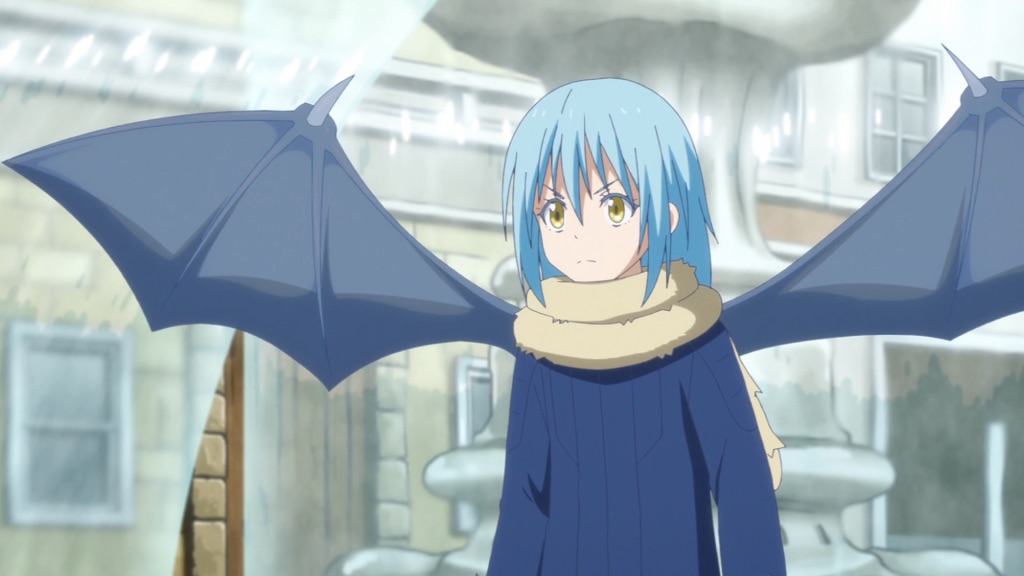
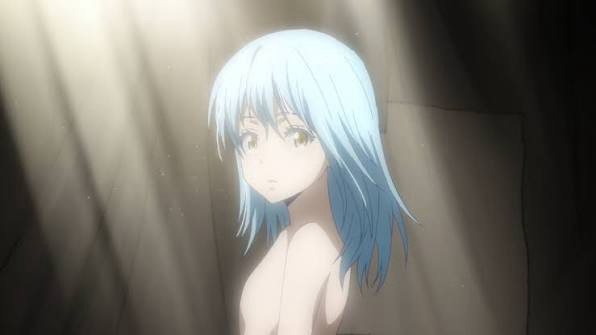
Rimuru gains a human form after Shizu’s death, but it is sexless, reflecting his true form as a slime. Other characters joke about not knowing his gender, but Rimuru himself maintains that he is still male.
Level of Magical Elements
Magic is foundational to this series.
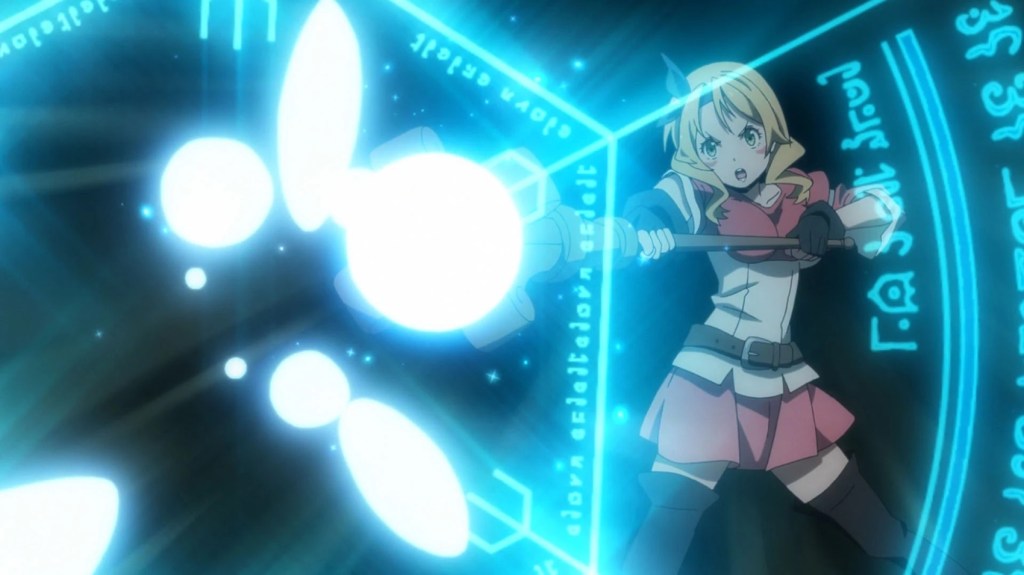
The story revolves around magical species, monsters, and supernatural abilities, with Rimuru eventually becoming a unifying leader. Magical circles and spells are common, but the show does not deeply explain real-world parallels or ritual meanings. Magic exists firmly within the fantasy rules of this universe.
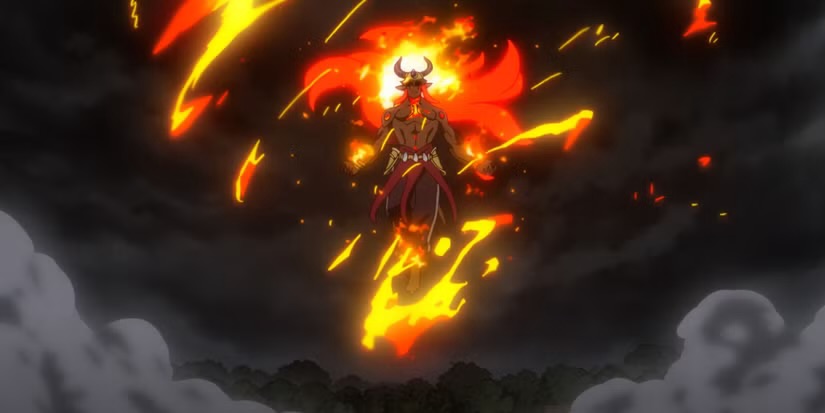
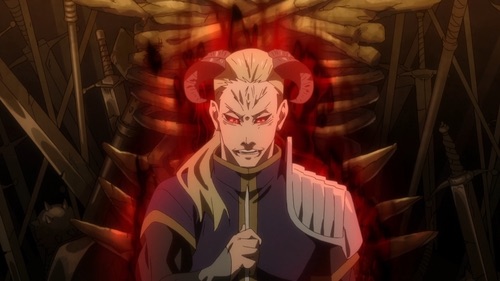
In Episode 24, a demon named “Black” is summoned using a blood-based magic circle. While many demons in anime function more like fantasy monsters instead of the Bible-depicted “demons,” the designs here are visually unsettling—humanoid, horned, animal-like features that may be disturbing for sensitive viewers.
Level of Romance
Romance remains light and mostly one-sided.
Several female characters openly adore Rimuru, but there are no formal couples this season. Shizu and Rimuru share a gentle, emotional connection, though it ends with her passing before much more can be developed.
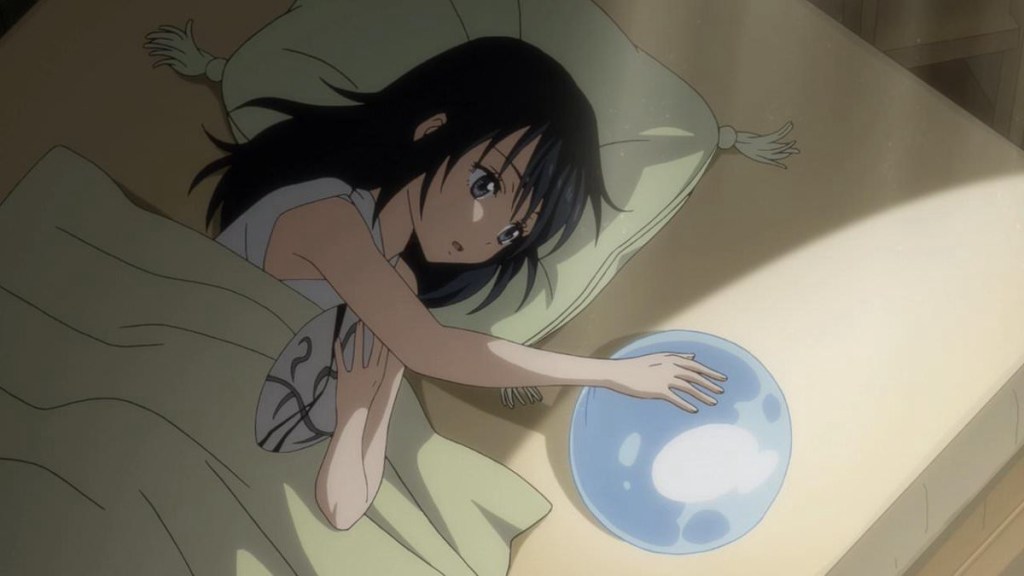
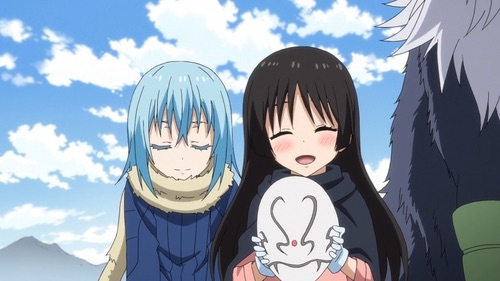
Chloe, one of Rimuru’s students, declares her love for him. Rimuru responds kindly but suggests she say it again in ten years—clearly framing it as innocent and not romantic in the present.
Section 4: Specific Notes for Parents & Guardians
This anime balances comedy, charm, and fun, leaving the heavy themes largely implied. Rimuru is extremely overpowered, meaning most battles are resolved quickly and decisively, which may soften the impact of violence for younger viewers.
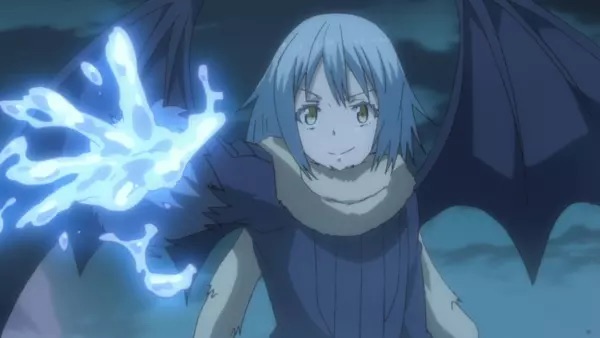
In Episode 14, there is a moment that some Christian viewers may notice as symbolically resonant: Rimuru speaks about “taking on sins” and restoring a fallen people after defeating a Demon Lord. While not explicitly religious, the imagery may prompt discussion.
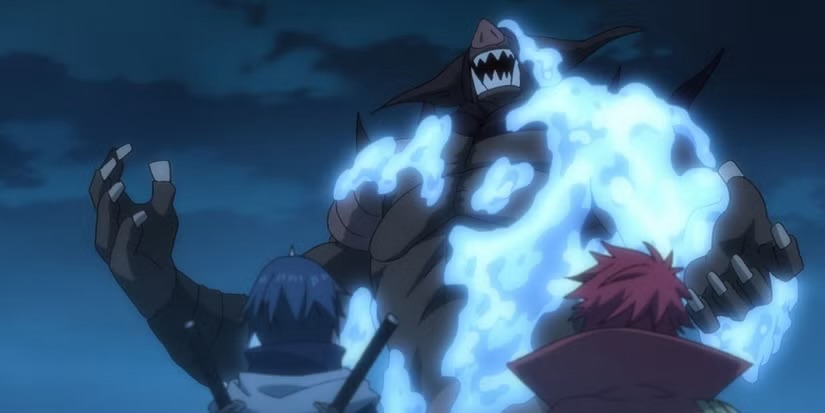
The final recap episode (Veldora’s Journal) retells the season humorously. Some families may choose to skip it, as it adds little new content.
Final Thoughts
This is one of those anime that feels joyful on the surface but requires discernment underneath. Rimuru is a likable, kind-hearted protagonist, and the themes of unity, leadership, and compassion are genuinely strong. However, the sexualized visuals and grey undertones mean this isn’t a “turn-it-on-and-walk-away” show for families.
As always, context and conversation matter. If your child or teen is watching this, it’s worth watching alongside them—or at least being aware of what themes may come up.

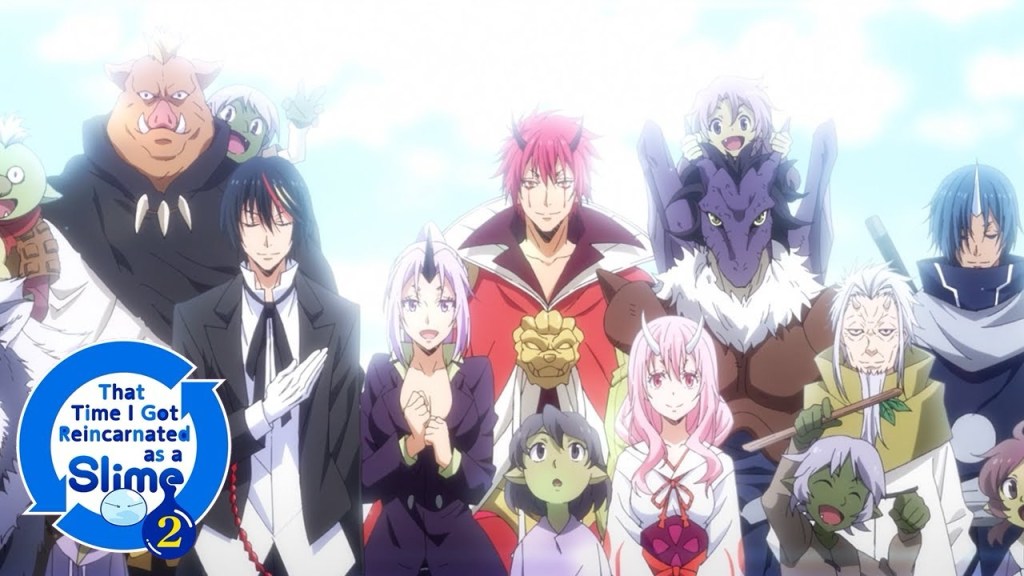
Coming Soon: That Time I Got Reincarnated as a Slime (S2) – Anime Review
Thank you for reading this review. We look forward to seeing you in the next one! 💛
At The Anime Momma Blog, my goal is simple: helping parents understand the anime their kids love so families can watch with wisdom, discernment, and great conversations along the way.
Check us out on social media. ✨☀️
 The Anime Momma Blog
Leave a comment