TL;DR: My Hero Academia (S1) is a action-heavy introduction to a world where young students train to become professional heroes. While the series includes intense battles, bullying themes, and moments of danger, the overall tone remains hopeful and encouraging.
The show focuses strongly on perseverance, growth, and learning what it truly means to protect others. Violence is present but not overly graphic, and romance remains light and wholesome.
Parents should be aware of the early bullying storyline, occasional revealing hero costumes, and the intense nature of the online fandom. However, the anime itself largely tells a heartfelt story about courage, friendship, and rising above your limitations.
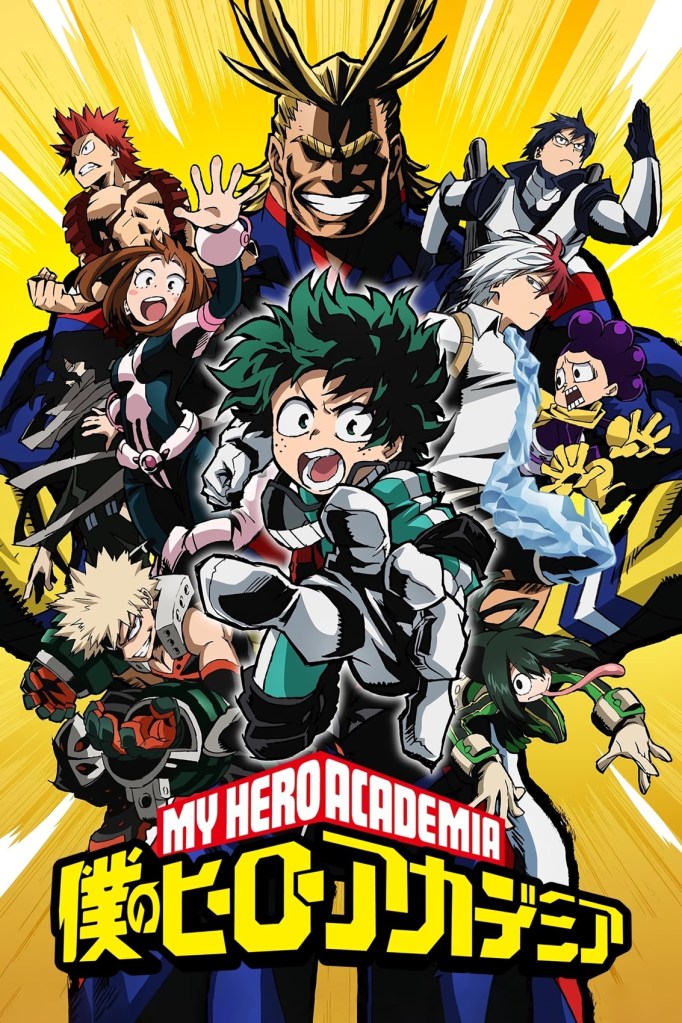
Section 1: Boku no Hero Academia / My Hero Academia (S1; 13 Episodes) — At a Glance
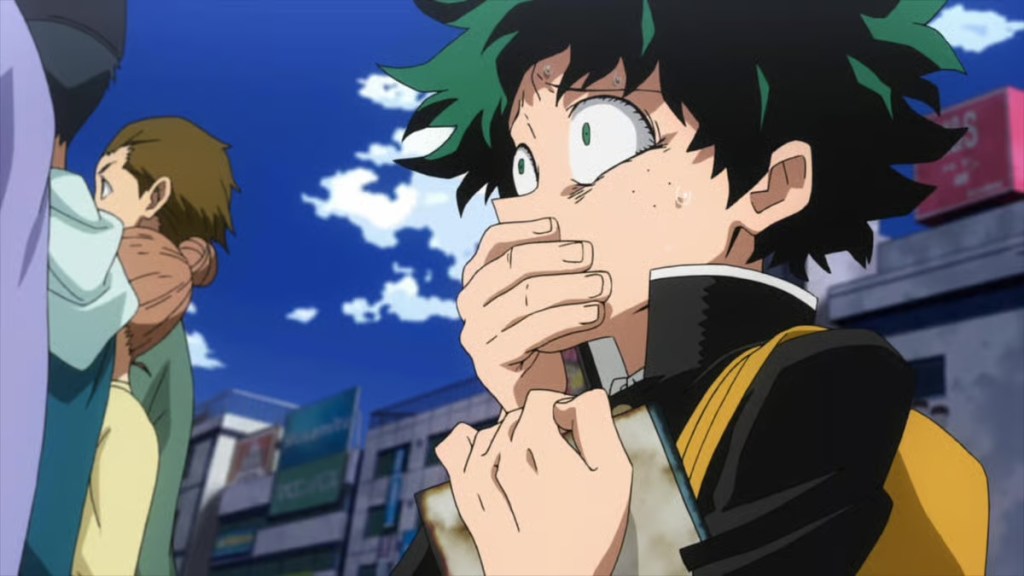
The appearance of “quirks,” newly discovered super powers, has been steadily increasing over the years, with 80 percent of humanity possessing various abilities from manipulation of elements to shapeshifting. This leaves the remainder of the world completely powerless, and Izuku Midoriya is one such individual.
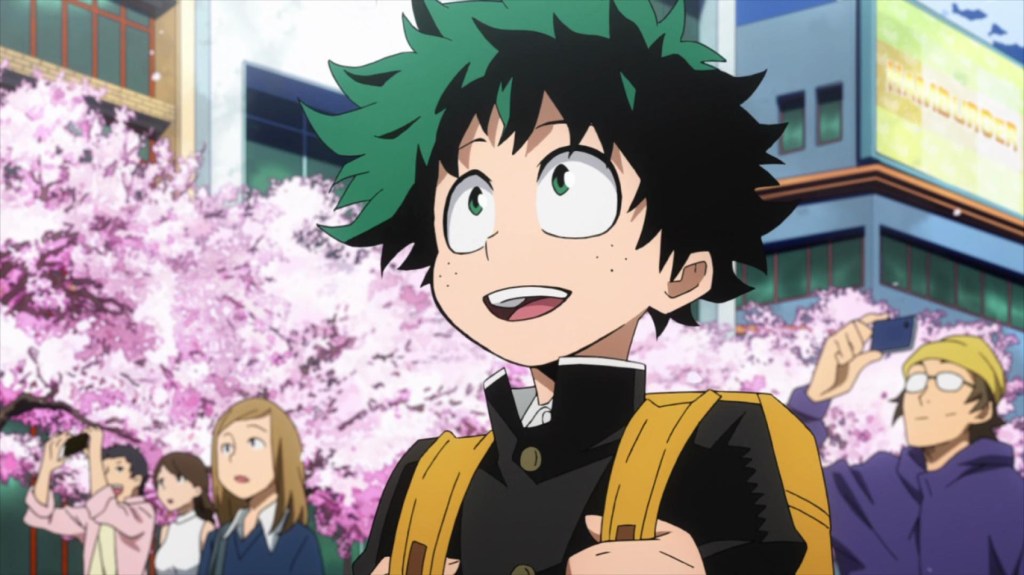
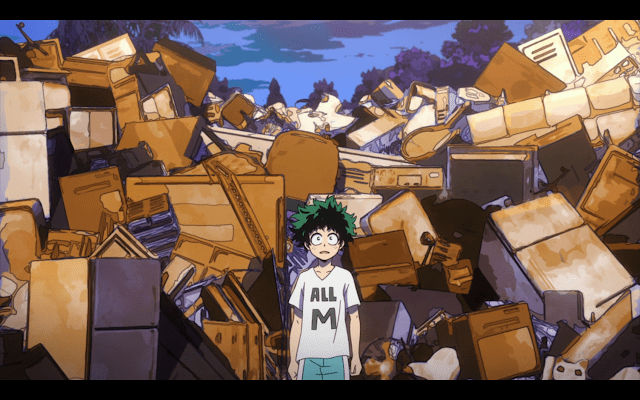
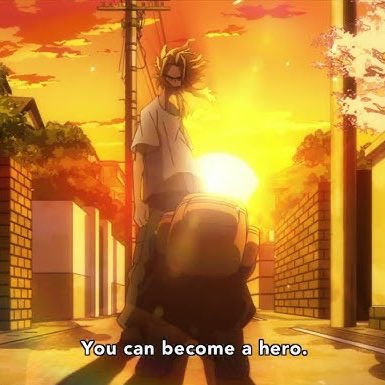
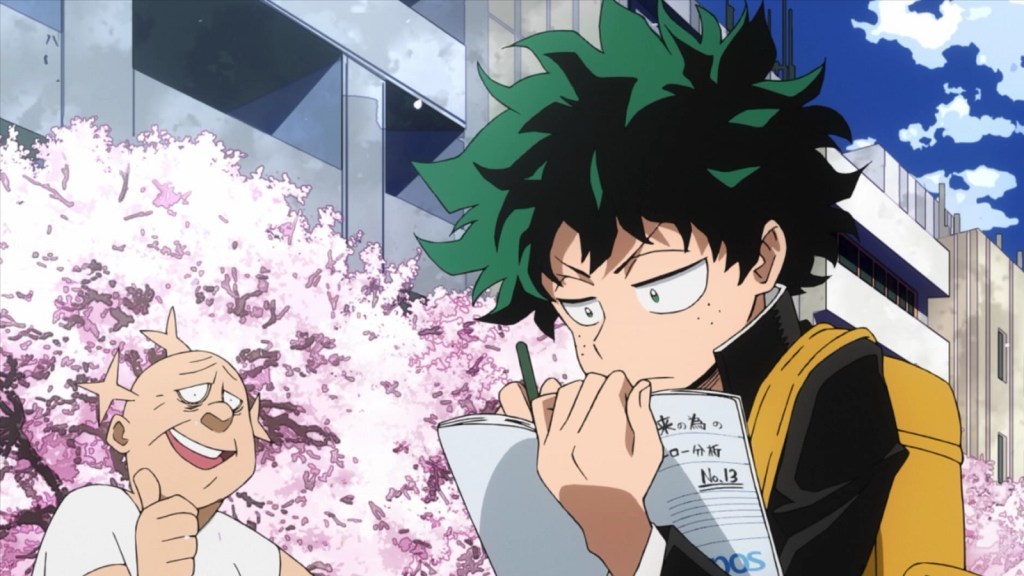
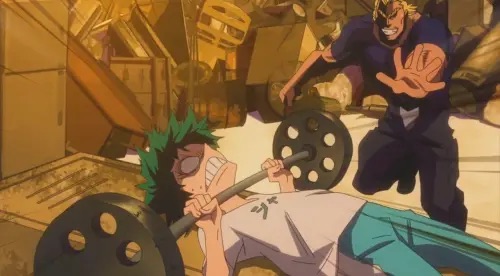
Since he was a child, the ambitious middle schooler has wanted nothing more than to be a hero. Izuku’s unfair fate leaves him admiring heroes and taking notes on them whenever he can. But it seems that his persistence has borne some fruit: Izuku meets the number one hero and his personal idol, All Might. All Might’s quirk is a unique ability that can be inherited, and he has chosen Izuku to be his successor!
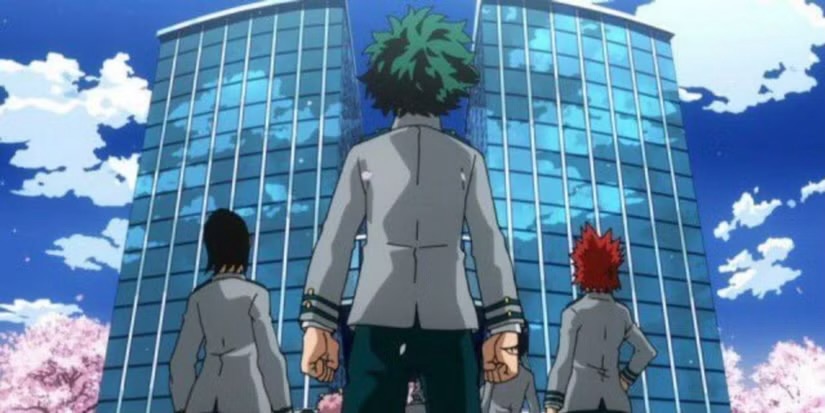
Enduring many months of grueling training, Izuku enrolls in UA High, a prestigious high school famous for its excellent hero training program, and this year’s freshmen look especially promising. With his bizarre but talented classmates and the looming threat of a villainous organization, Izuku will soon learn what it really means to be a hero.
Genres & Themes
Action, School, Shounen, Super Power (Fantasy)
MyAnimeList Rating
PG-13+ | Teens 13 and Older
The Anime Momma Rating
PG-10+ | Ages 10 and Older
Section 2: Star Levels
Each category below is rated on a five-star scale:
⭐ = very little present | ⭐⭐⭐⭐⭐ = a lot present
Action/Violence Level: ⭐⭐⭐⭐⭐ (5/5)
Addiction Level: ⭐⭐⭐☆☆ (3/5)
Blood/Gore Level: ⭐⭐☆☆☆ (2/5)
Inappropriate, Heavy, or Mature Themes or Conduct: ⭐⭐⭐☆☆ (3/5)
Alternative Lifestyle Themes: ⭐☆☆☆☆ (1/5)
Level of Magical Elements: ⭐⭐⭐⭐⭐ (5/5)
Level of Romance: ⭐⭐☆☆☆ (2/5)
Section 3: Star Levels — Explained
Action/Violence Level
Season 1 of My Hero Academia contains a high amount of action, which makes sense given that the entire premise of the show revolves around heroes protecting the world from villains.
The story follows students attending U.A. High School, an academy designed to train the next generation of professional heroes. Because of this, much of the action early in the series happens in controlled environments such as training exercises, mock battles, and skill tests designed to help the students learn how to use their abilities responsibly.
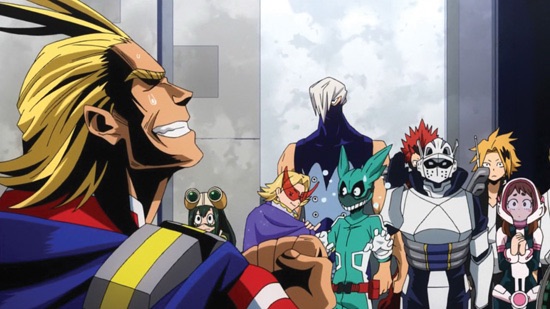
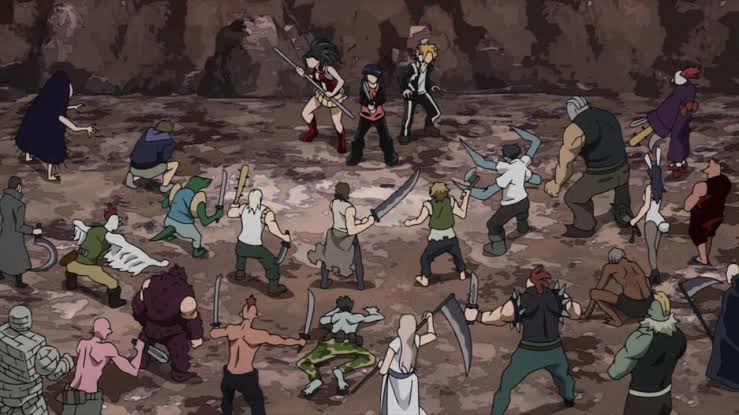
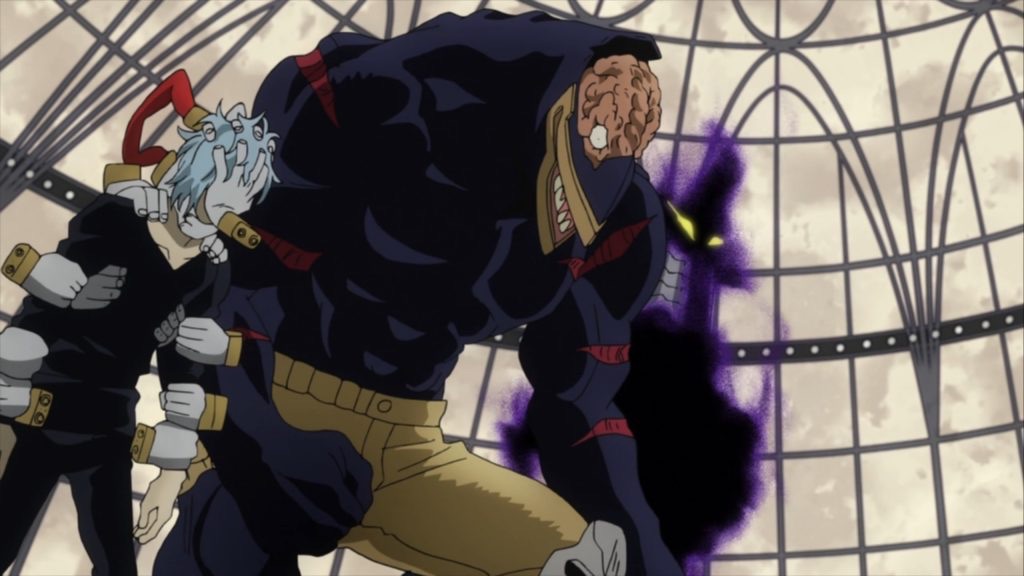
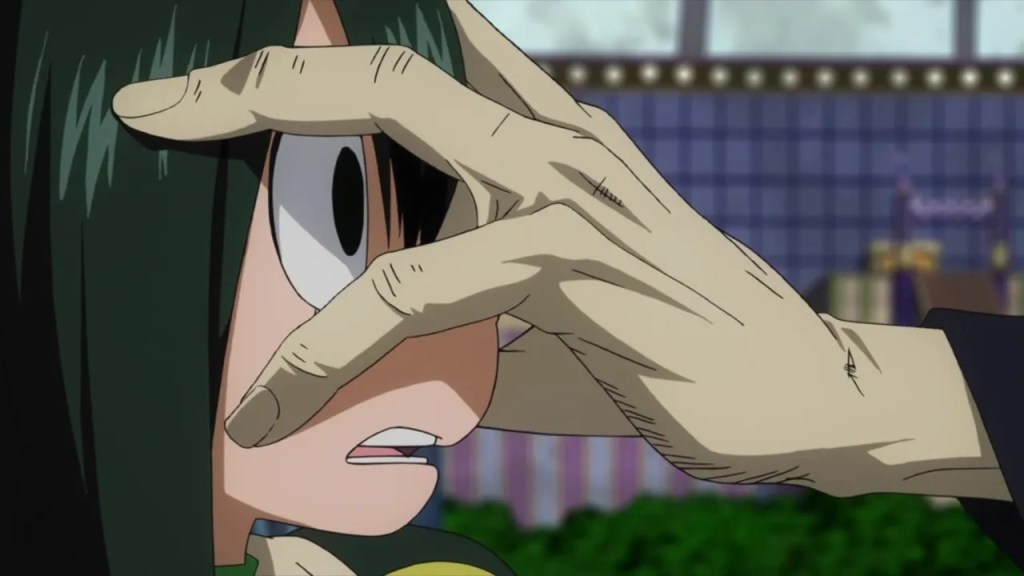
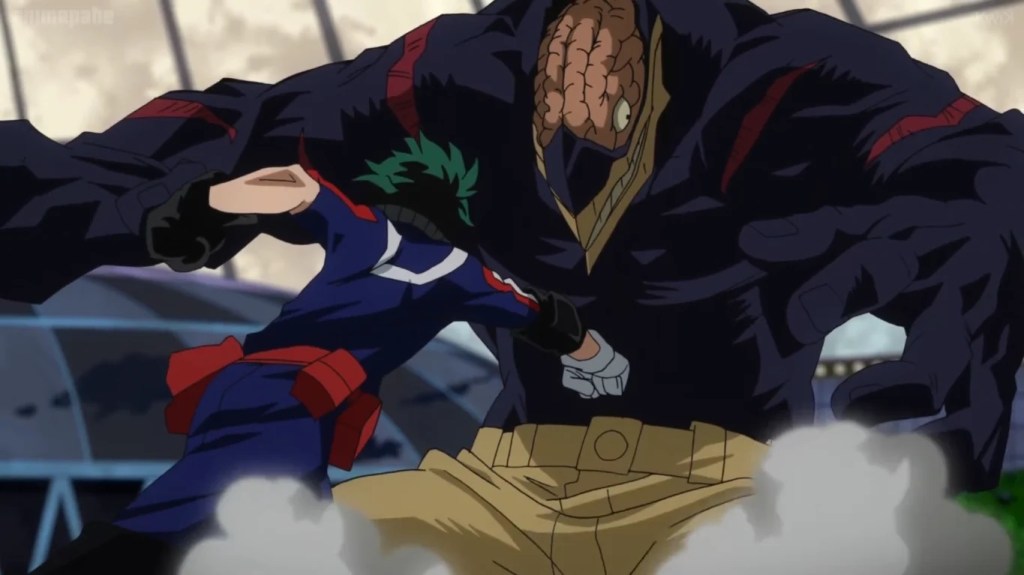
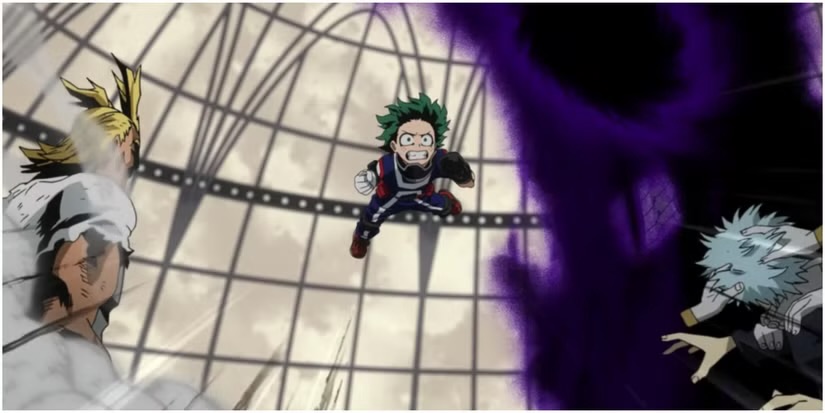
The tone shifts near the end of the season when the students encounter a group of actual villains during what they believed was simply another training session. At first, the students assume the situation is part of the exercise. But after seeing the seriousness on their teacher’s face—and being suddenly separated by a teleportation ability—they quickly realize something much more dangerous is happening.
These villains are not playing by the rules. They are not there to teach a lesson or simply rile up some heroes. Their goal? Kill Japan’s #1 Hero, All Might.
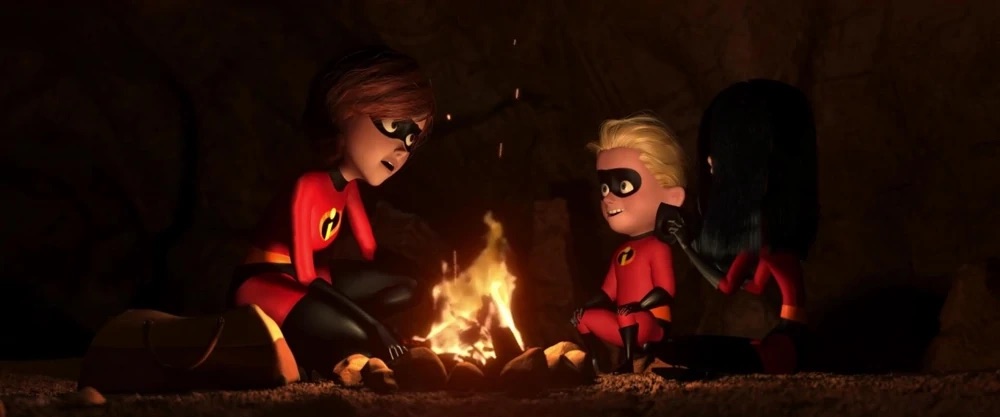
A quote from Pixar’s 2004 hit movie The Incredibles, given by Elastigirl (Helen Parr) to her two children, actually captures this moment surprisingly well:
“Remember the bad guys on the shows you used to watch on Saturday mornings? Well, these guys aren’t like those guys. They won’t exercise restraint because you are children. They will kill you if they get the chance.”
This moment marks the first time these young heroes-in-training truly understand the very real life-or-death dangers they could encounter while being the only people standing in between them and protecting what matters to them.
Addiction Level
Personally, I didn’t find Season 1 quite as addictive as some viewers do—but I believe this was because I’ve already watched the entire series several times.
Even so, the show is extremely entertaining and very easy to watch in long stretches. The pacing is quick, the characters are lovable, and the world-building keeps you curious about what will happen next.
In fact, I still managed to finish this season in about two days.
For first-time viewers—especially younger audiences—this series can be very binge-worthy.
Blood/Gore Level
Compared to many other action-based anime, Season 1 is relatively mild in terms of blood and gore.
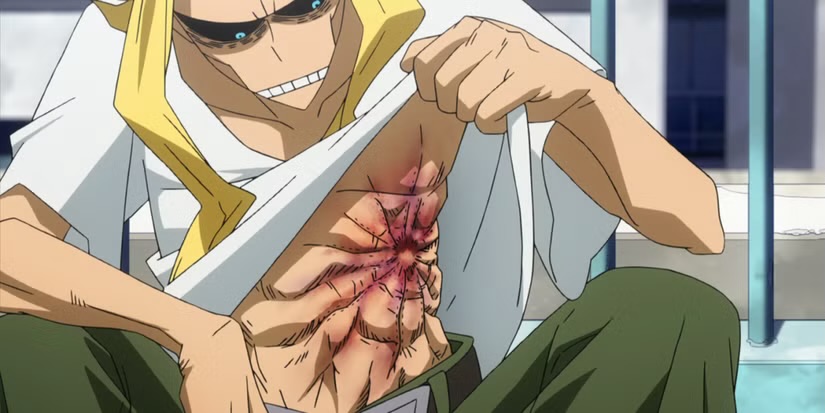
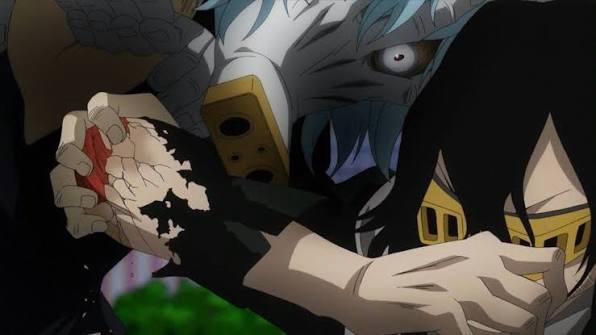
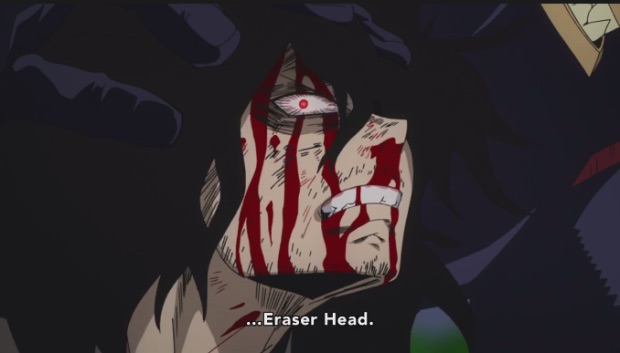
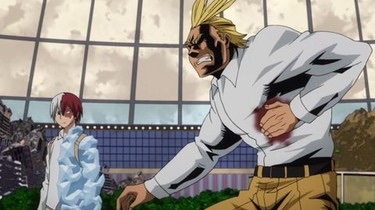
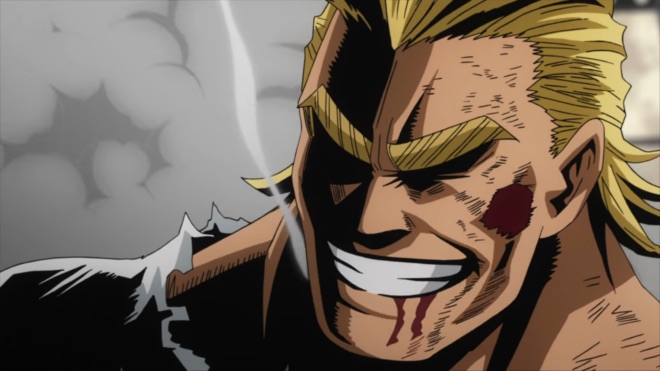
There are certainly fights, injuries, and moments where characters push their bodies beyond their limits. Some students sustain fairly serious wounds during battles and training exercises.
Even with these injuries, the show does not linger heavily on graphic imagery. The violence is typically framed within the context of hero training and high-stakes battles rather than shock value.
Overall, while there is plenty of action, the level of “gore” remains fairly mild and is unlikely to be disturbing for most viewers.
Inappropriate, Heavy, or Mature Themes or Conduct
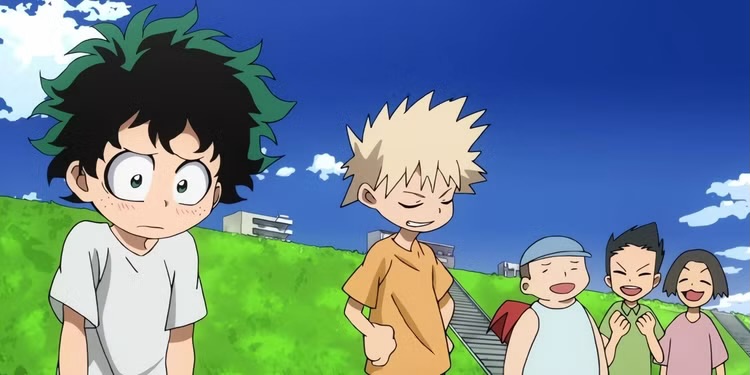
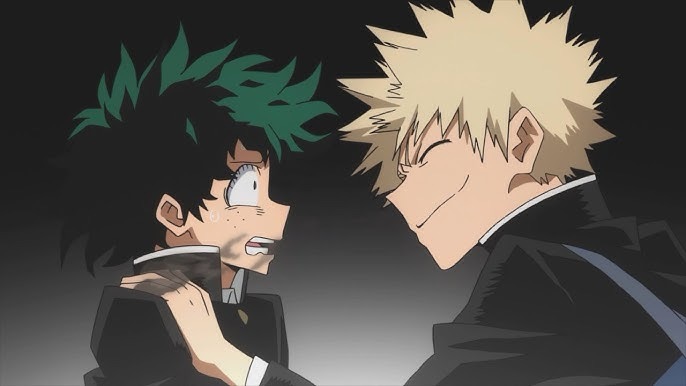
The first episode introduces viewers to two important characters: Bakugou Katsuki and Midoriya Izuku. Their relationship begins with a classic but painful trope—bully and victim.
Because Midoriya was born without a superpower (called a “Quirk” in this world), he becomes the target of relentless bullying from Bakugou and other classmates. At one particularly troubling moment, Bakugou goes so far as to tell Midoriya he should take a “swan dive” off a building.
While this moment is brief, it is important for parents to be aware of the intensity of the bullying early in the series.
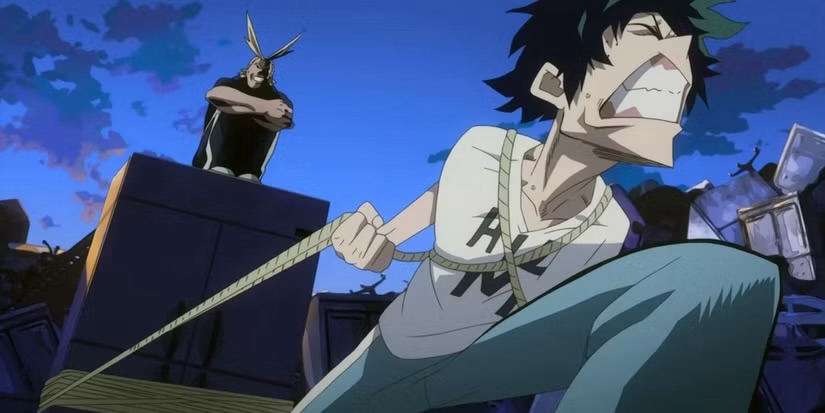
Another recurring theme throughout the first seasons is secrecy: Midoriya receives his Quirk from Japan’s greatest hero, All Might. This power—called “One For All”—is unique because it can be passed from one person to another and becomes stronger with each new user. Because of the dangerous history surrounding this power, only a small group of people are allowed to know the truth about it. This secrecy plays an important role in protecting both Midoriya and the larger world.
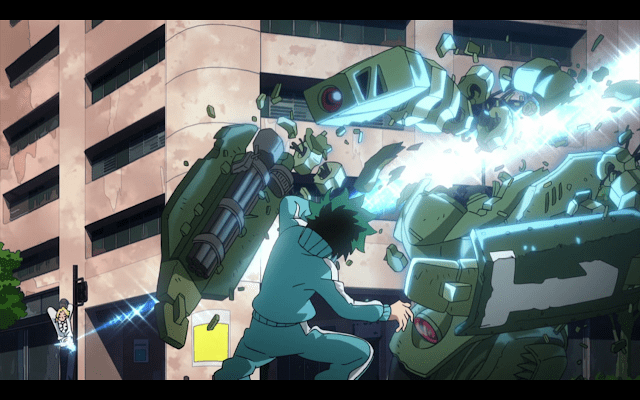
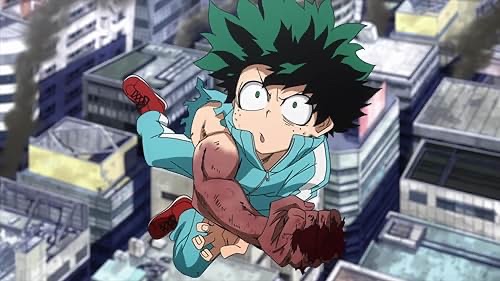
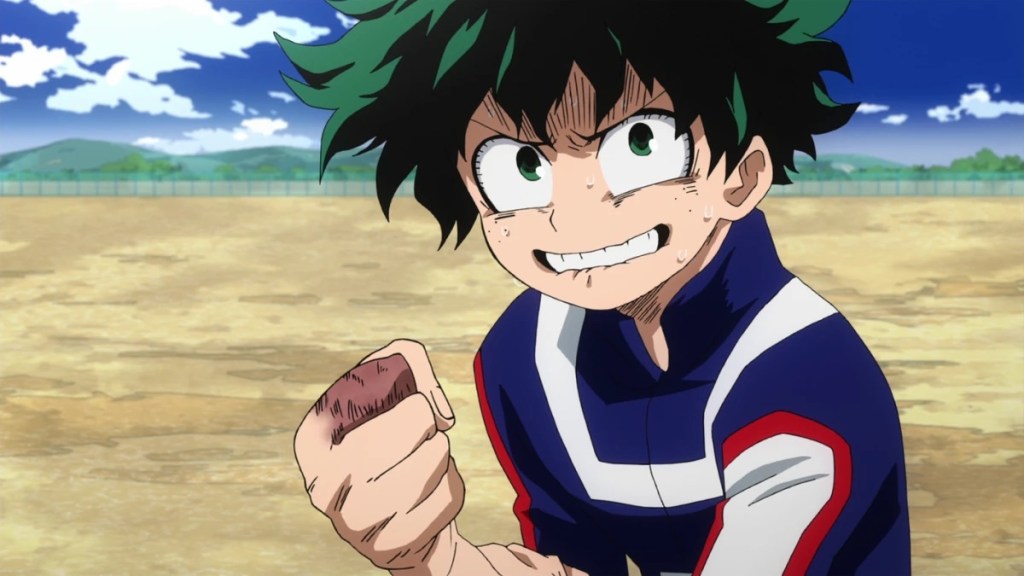
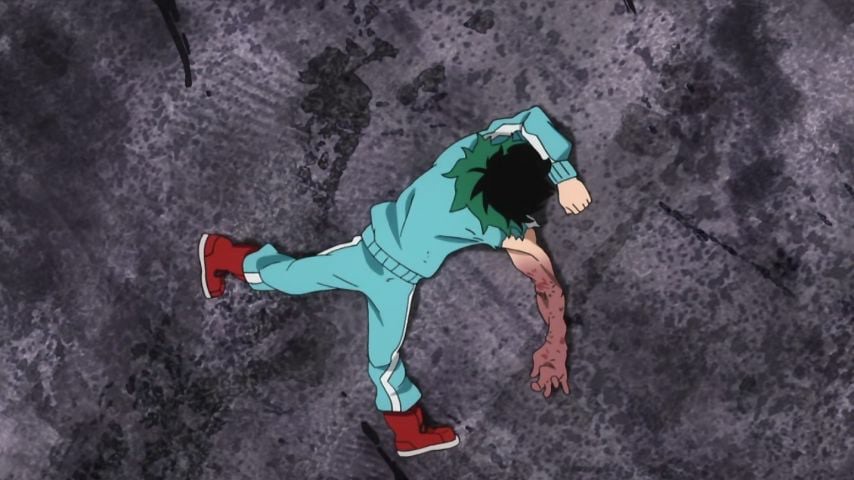
One additional concern parents may notice involves Midoriya’s physical limitations. When he first begins using his new Quirk, his body cannot handle the immense power it produces. As a result, he frequently breaks bones when he uses it.
While this might initially appear similar to self-harm, the story consistently frames these moments as acts of sacrifice and determination to help others rather than a desire to hurt himself.
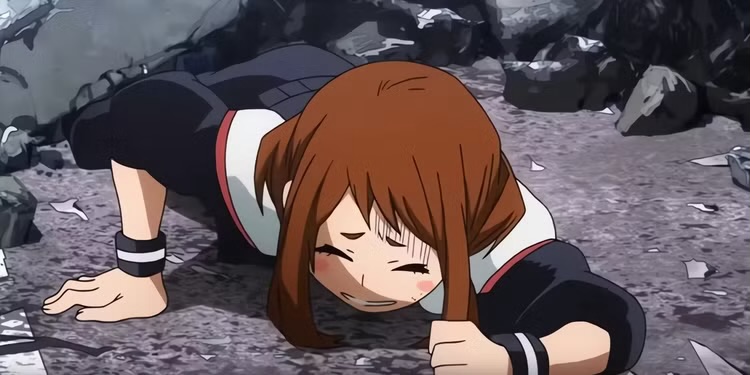
Uraraka stuck under rubble during the UA test: a giant mecha coming her way.Midoriya’s broken bones after saving Uraraka from the mecha.
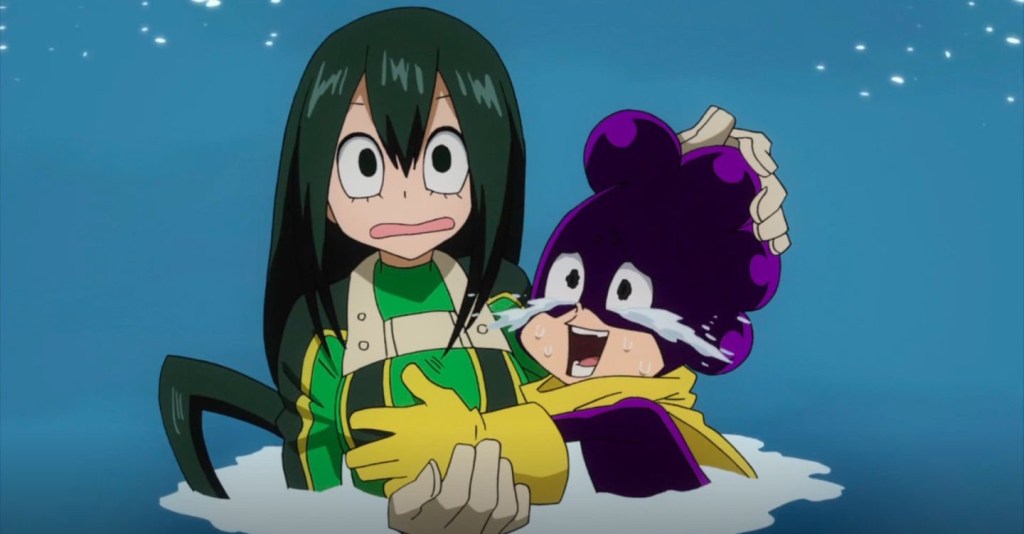
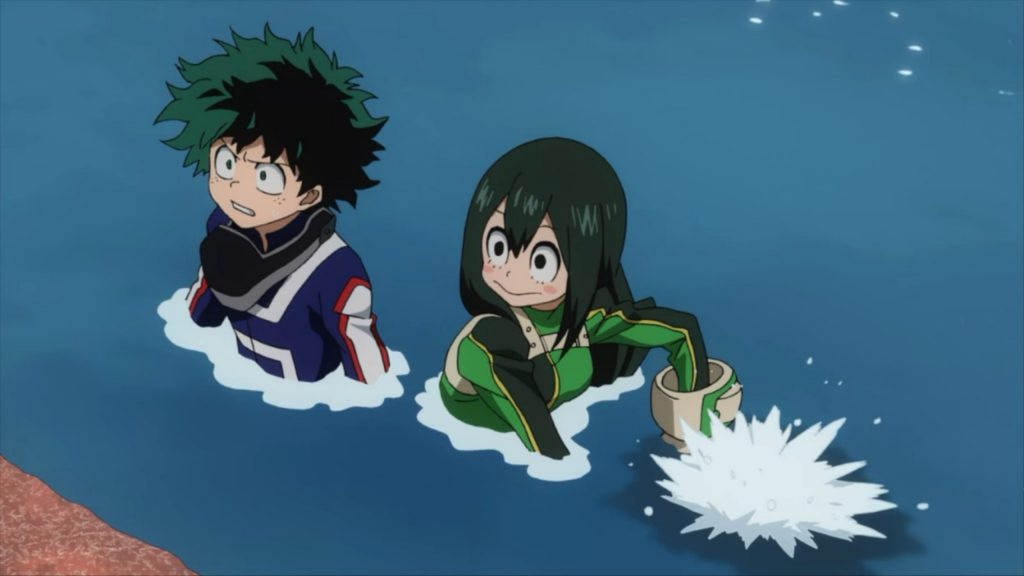
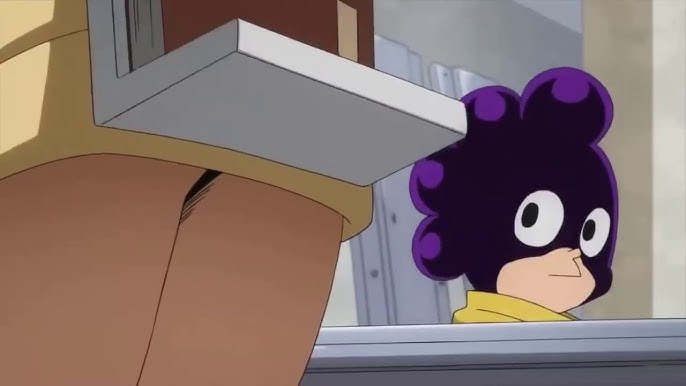
Lastly, there is a side character named Minoru Mineta who parents may want to be aware of. Mineta is written as the “pervy comic relief” character, meaning that many of his jokes revolve around his attraction to his female classmates. Throughout the season he frequently makes inappropriate comments about the girls’ appearances, including their clothing or body types, and in one moment he even manages to grope one of his classmates, Tsuyu Asui.
Tsuyu pushing Mineta under water to “drown him” because he groped her breast.
These moments are typically played for humor within the show. The girls usually respond by pushing him away, scolding him, or physically knocking him aside, which quickly shuts the behavior down. Even so, the repeated nature of these jokes may feel uncomfortable for some families.
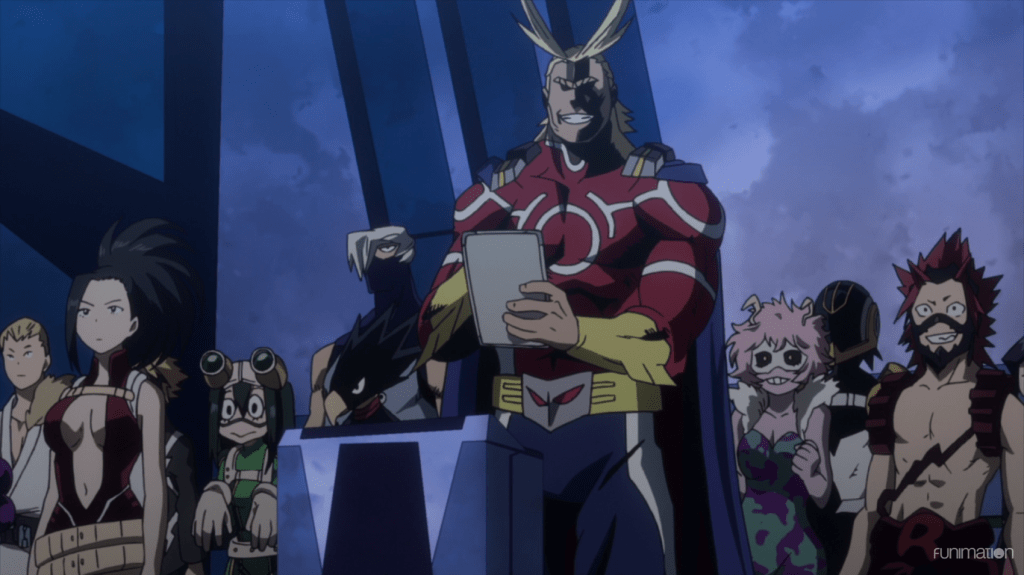
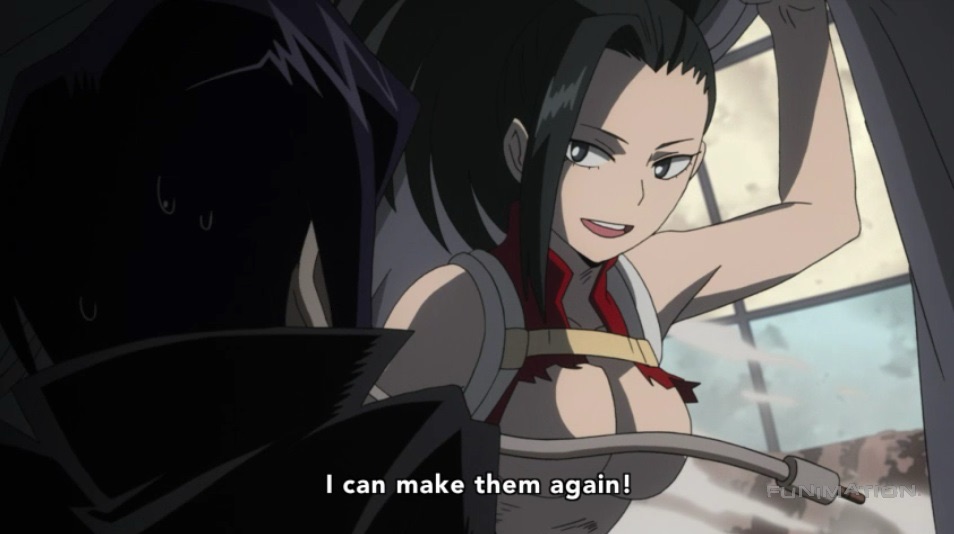
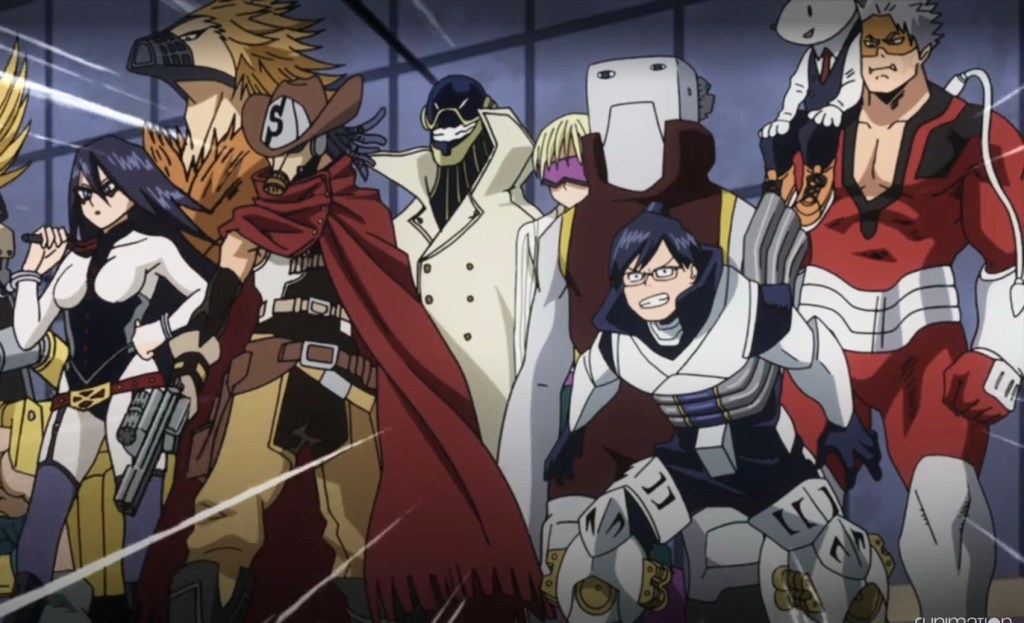
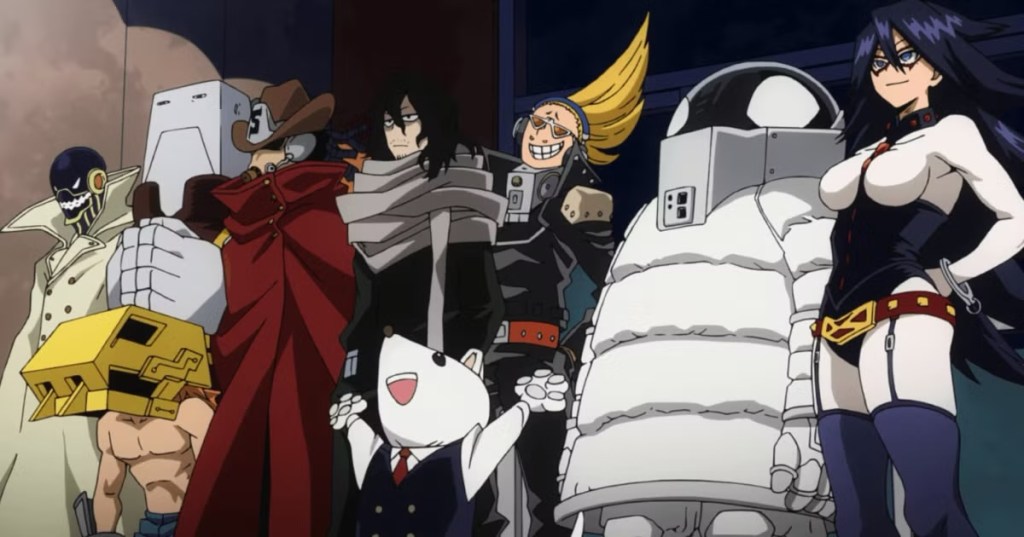
With this show being geared toward young men, it is not terribly surprising to have a side character like this, especially considering that many costumes are fairly revealing. Characters such as Momo Yaoyorozu and U.A. teacher Midnight wear uniforms that are more revealing than others.
Mineta staring at a female classmate’s butt.
It’s also worth noting that a few hero costumes in My Hero Academia are more revealing than others. Characters such as Momo Yaoyorozu and U.A. teacher Midnight wear uniforms that show more skin than many parents might expect from a school-based series.
Yaoyorozu claiming she can remake her clothes even after they’ve been burned.Pro-Hero Midnight (far left)
While these moments are generally brief and meant to be comedic, they are something parents and guardians may want to be aware of before introducing the show to younger viewers.
Alternative Lifestyle Themes
While there are no notable alternative lifestyle themes presented within the anime itself, the My Hero Academia fandom is very well known for their alternative and/or inappropriate lifestyle themes. For more information, please read Section 4: Special Notes for Parents & Guardians.
Level of Magical Elements
Superpowers—called “Quirks”—are the central element of the world in My Hero Academia.
Nearly every character possesses a unique ability. Some are simple and straightforward, such as super strength or enhanced speed, while others are much more unusual.
Some examples of these unusual powers include abilities like trapping enemies inside marbles, manipulating gravity, creating objects from the body, or even influencing the thoughts and actions of others.
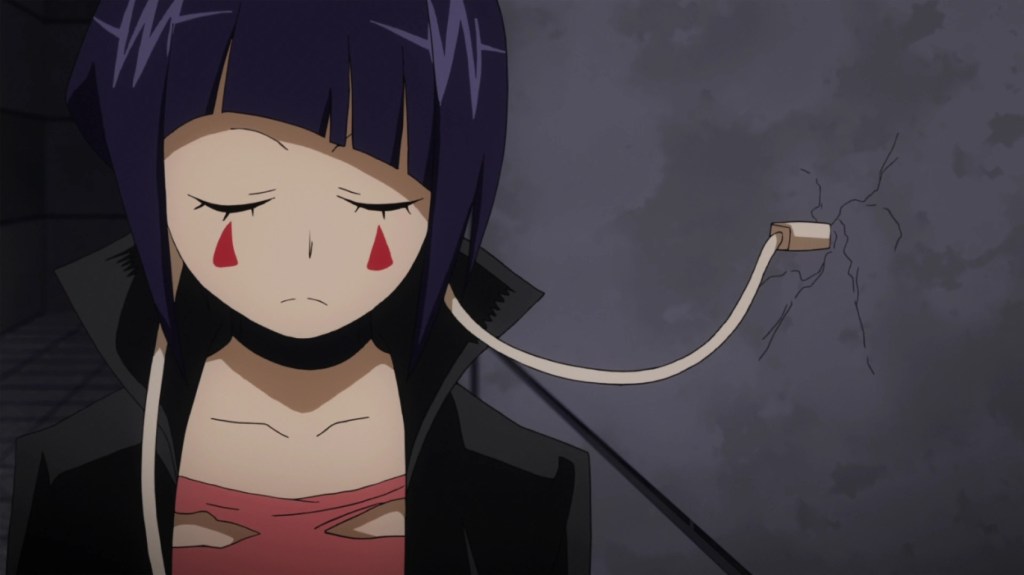
Side character Jiro Kyouka can use the plugs attached to her ears to enhance different noises, sounds, and vibrations.
While these abilities function somewhat like magic, they are treated more like genetic superpowers within the story’s universe.
Level of Romance
Romance exists in the background of the story but is not a major focus in Season 1.
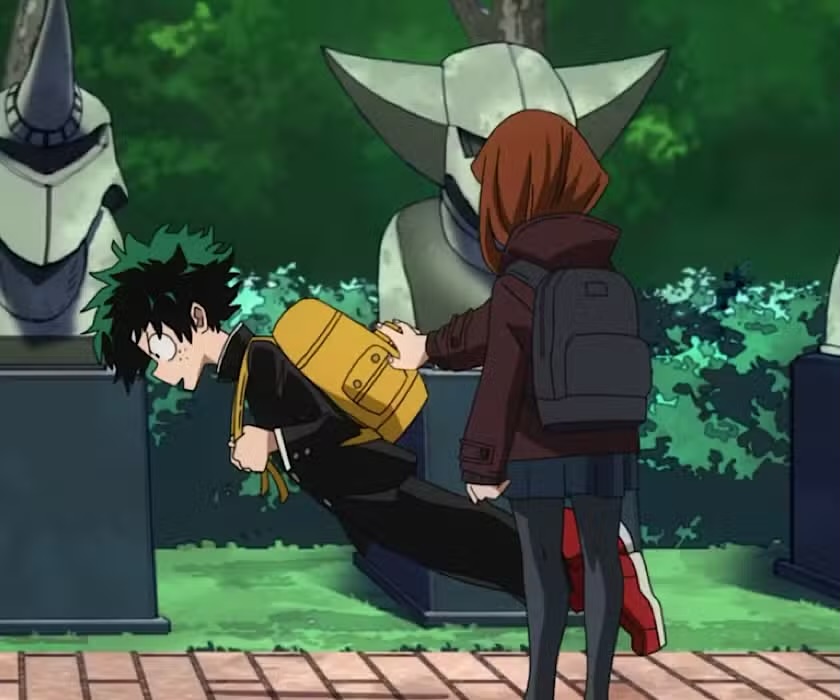
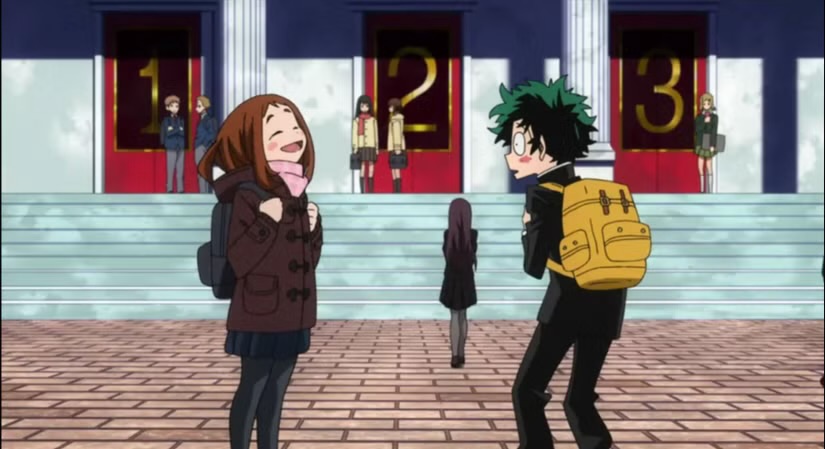
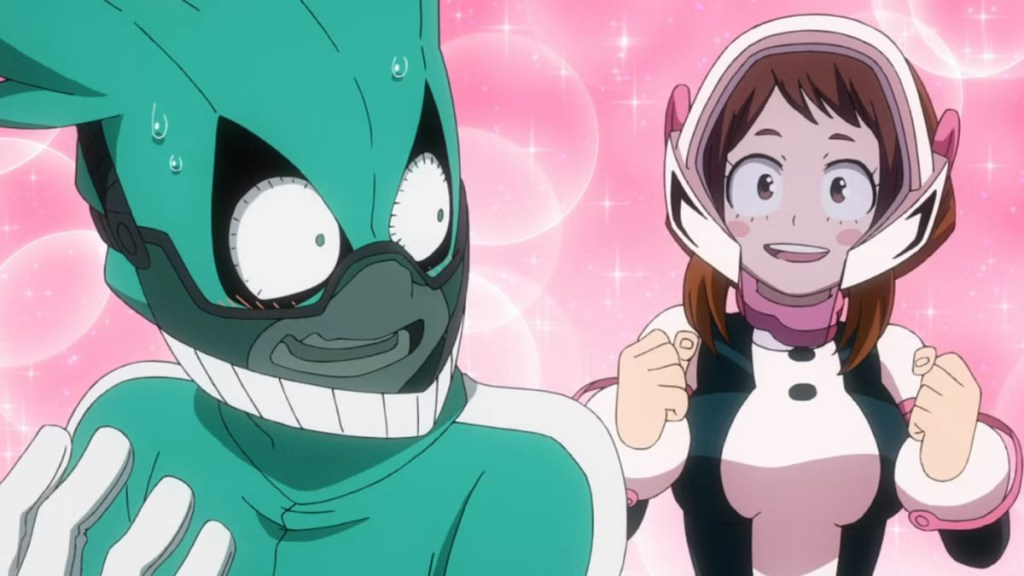
One of the sweetest early examples involves Midoriya developing a small crush on his classmate Uraraka. She is one of the first students to show him kindness at U.A. High School and repeatedly encourages him when he doubts himself.
Their interactions are wholesome and innocent, mostly consisting of supportive friendship with hints that it could grow into something more over time.
Section 4: Special Notes for Parents & Guardians
As mentioned in Section 3: Alternative Lifestyle Themes, I want to include a very important note for parents—this warning has less to do with the show itself and more to do with its fan community, hence why it is in this section instead of being laid out above.
The story of My Hero Academia is actually quite wholesome in many ways. It focuses heavily on perseverance, friendship, mentorship, and learning what it truly means to become a hero.
Unfortunately, many parts of the online fanbase can sometimes take the characters far outside the tone of the original story. Fan art, fanfiction, and certain cosplay content can portray the characters in highly sexualized or explicit ways that have nothing to do with the spirit of the show. (These can be found on websites and apps like Pinterest, Archive of our Own, and even TikTok.)
If younger viewers begin exploring the fandom online without guidance, they are very likely to encounter content that is far more mature than the anime itself.
Because of this, I strongly recommend that parents supervise or guide younger fans if they begin interacting with the fandom side of the series.
Final Thoughts
Rewatching Season 1 after seeing the later seasons of My Hero Academia was honestly a fascinating experience.
Going from Season 8 all the way back to the beginning really highlights how much the characters—and the world itself—have grown. What begins as a simple story about a boy who dreams of becoming a hero slowly develops into something much larger and more complex.
But at its core, the heart of the series is still the same: a young boy who refuses to give up on his dream of helping others.
And that message—perseverance, courage, and selfless heroism—is one of the reasons this series continues to resonate with so many viewers.
Thank you for reading this review and I look forward to seeing you in our next one. 💛
Coming Soon: Boku no Hero Academia / My Hero Academia (S2) – Anime Review
At The Anime Momma Blog, my goal is simple: helping parents understand the anime their kids love so families can watch with wisdom, discernment, and great conversations along the way.
 The Anime Momma Blog
Leave a comment