A Parent’s Guide to Navigating Anime
Anime has grown tremendously in popularity over the last several years. Chances are, if you have kids or teenagers, you’ve already heard about it from them or their friends.
One of the most common questions parents ask me is: “How can I tell if an anime is safe for kids?”
And honestly, that can be a tricky question to answer.
Some anime look bright, colorful, and child-friendly at first glance but include intense violence, inappropriate humor, or heavy themes.
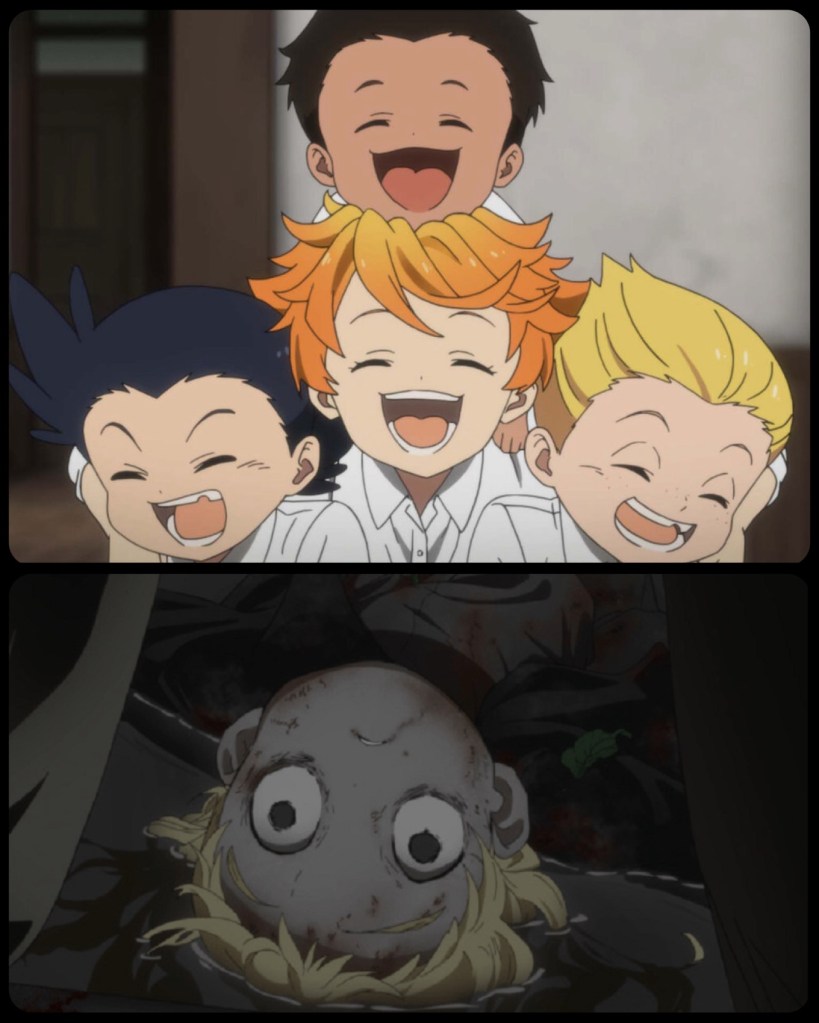
Other anime may contain action or fantasy elements yet still be perfectly reasonable for younger viewers.
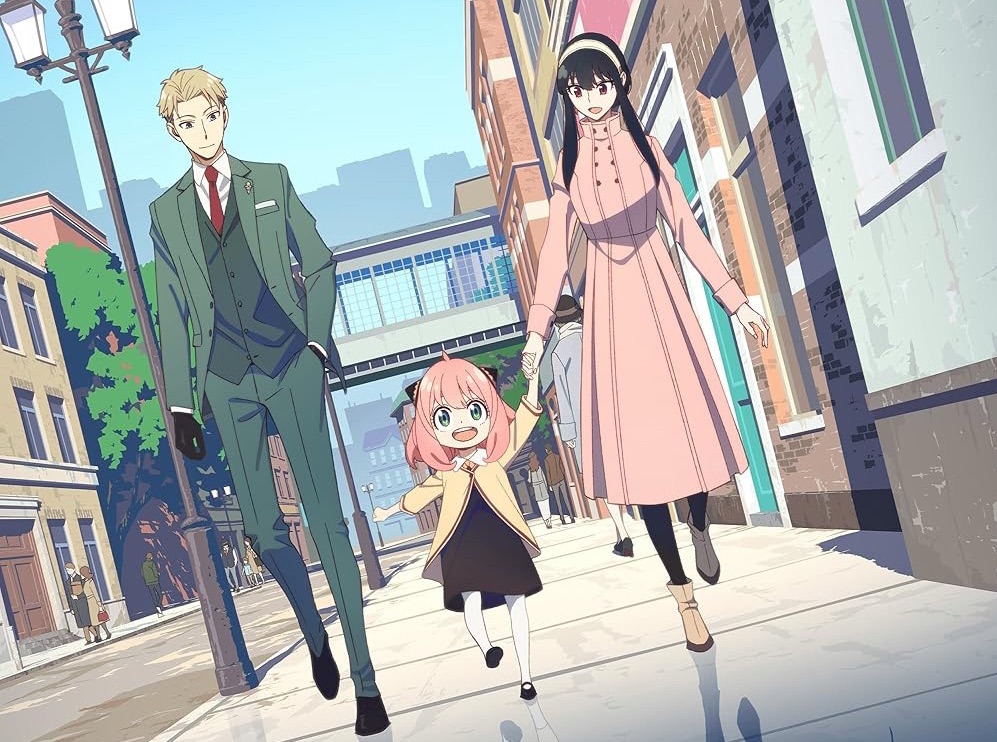
The truth is that anime is not a single genre—it’s a storytelling medium. Just like Western movies or television, it includes everything from wholesome adventure stories to mature dramas intended for adults.
Because of that, parents often need a few tools to help them decide whether a particular show may be a good fit for their family.
TLDR
A kid-safe anime usually has a lighter tone, age-appropriate humor, minimal graphic violence, and little to no sexualized content. Parents should avoid assuming an anime is safe simply because it is animated or popular. Instead, consider the tone of the story, the intended audience, common themes, and your child’s maturity level before deciding.
First Things First: “Safe” Does Not Mean “Perfect”
Before anything else, I think it helps to define what we mean by “safe.”
For most parents and guardians, “safe for kids” usually does not mean a show is completely free of conflict, sadness, fantasy danger, or emotional moments. Instead, it usually means the anime is:
- generally age-appropriate
- not filled with graphic violence or gore
- not sexually suggestive
- not emotionally overwhelming for the child’s age
- not pushing themes the family would find troubling or confusing without guidance
In other words, “safe” often means reasonable for that child, at that age, with that family’s values in mind.
That is why two families may watch the same show and come to slightly different conclusions.
Now onto the 8 Things Parents Should Check First
1. Look at the Overall Tone of the Story
One of the first things I pay attention to is the show’s overall tone.
Ask yourself:
- Does this anime feel gentle, adventurous, funny, or encouraging?
- Does it feel dark, intense, creepy, romanticized, or emotionally heavy?
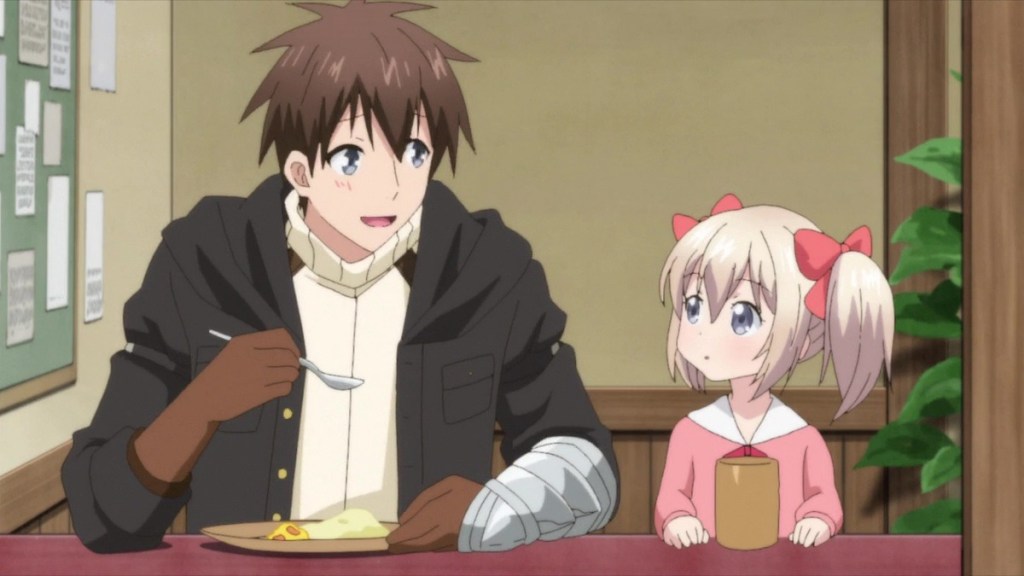
A kid-safe anime usually has a tone that feels more grounded in:
- friendship
- teamwork
- perseverance
- family
- light adventure
- personal growth
That does not mean nothing bad ever happens. Most stories need some level of conflict.
But in anime that is safer for kids, the conflict is usually handled in a way that does not feel overly graphic, disturbing, or mature.
2. Pay Attention to the Age of the Intended Audience
This is not a perfect rule, but it can help.
Some anime are clearly made with children or younger teens in mind. Others are aimed at older teens or adults, even if the characters themselves are young.
That means parents should be cautious about assuming:
- “The main character is a kid, so this must be for kids.”
- “It’s animated, so it must be family-friendly.”
- “My child’s friends watch it, so it must be okay.”
Those assumptions often lead families into shows they were not expecting.
A better question is: Who does this story seem written for?
If the humor, pacing, themes, and emotional weight all feel geared toward younger viewers, that can be a good sign. If the story leans heavily into mature trauma, sexual jokes, graphic battles, or morally complicated darkness, it may not be the best fit for children.

3. Check for These Green Flags
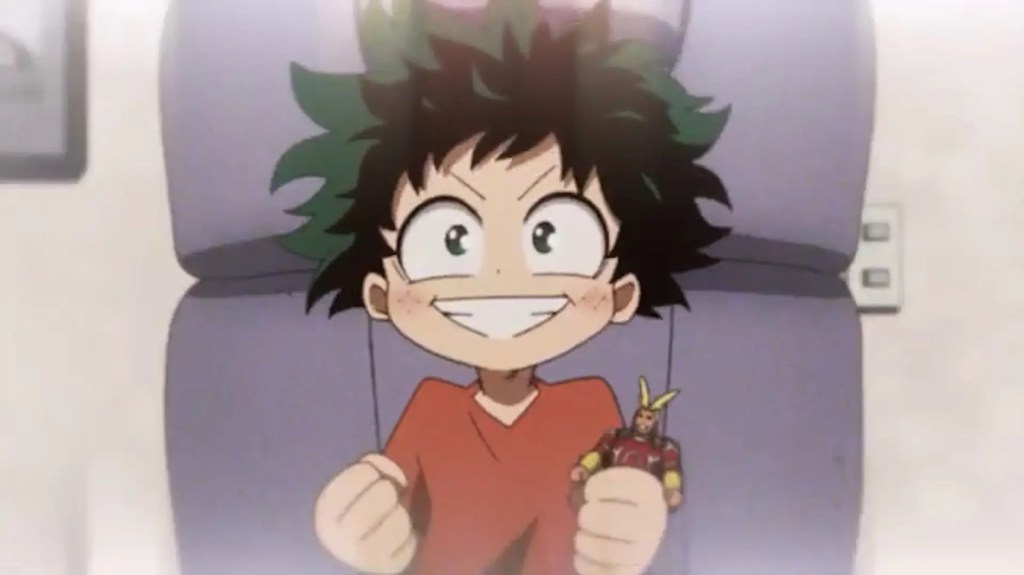
When I am trying to decide whether an anime may be safer for kids, I look for positive signs like these:
The story focuses on friendship, family, or teamwork
Anime that centers on healthy relationships, loyalty, courage, and character growth is often a better starting place for younger viewers.
The humor is playful rather than crude
Some anime rely on slapstick, silly misunderstandings, or lighthearted character moments. Others lean heavily on inappropriate jokes or suggestive humor. That difference matters.
The action is present but not graphic
Many child-appropriate anime still have battles, danger, or suspense. The key is whether the action feels exciting without becoming bloody, gruesome, or frightening.
The characters are easy to root for
Shows that clearly frame kindness, bravery, honesty, and perseverance as good things are often easier for younger viewers to process.
The emotional themes are understandable without becoming overwhelming
A safe anime for kids may still include sadness, loss, or fear. But these themes are usually handled gently and with hope.
4. Watch for Common Red Flags
Sometimes the fastest way to tell an anime is not a great fit for kids is by noticing a few warning signs early on.
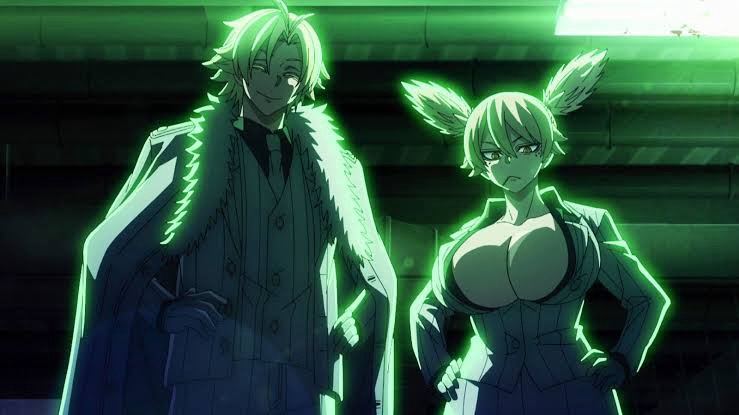
Be cautious if a show includes:
- fanservice or sexualized camera angles
- frequent crude jokes
- heavy profanity
- graphic violence or gore
- demonic or occult imagery presented in a serious spiritual way
- emotionally intense trauma
- bullying that is severe or persistent
- romance handled in a mature or suggestive way
- horror elements that may linger in a child’s mind
Even one of these does not always mean a show is automatically off-limits. But several together usually mean parents should slow down and look more carefully.
5. Read a Parent-Focused Review If You Can
This is one of the easiest ways to save yourself time.
A general review may tell you whether a show is “good,” “popular,” or “well-written,” but that is not the same thing as telling you whether it is a good fit for your child.
That is why I always encourage parents to look for reviews that specifically mention:
- action and violence
- blood and gore
- heavy or mature themes
- magical or spiritual elements
- romance
- anything unusual parents should know ahead of time
This kind of review gives you a much better idea of what you are walking into.
6. Preview the First Episode(s) Yourself
If possible, this is still one of the best tools a parent has.
The first episode often tells you a lot about:
- the tone
- the pacing
- the kind of humor used
- the emotional intensity
- whether the show feels child-appropriate or not
You do not always need to watch an entire season first. Even one or two episodes can reveal whether a series feels innocent, intense, awkward, or clearly meant for older viewers. (Two or three episodes would be even better. Anime likes to drop intense plot twists at the end of the first or second episode!)
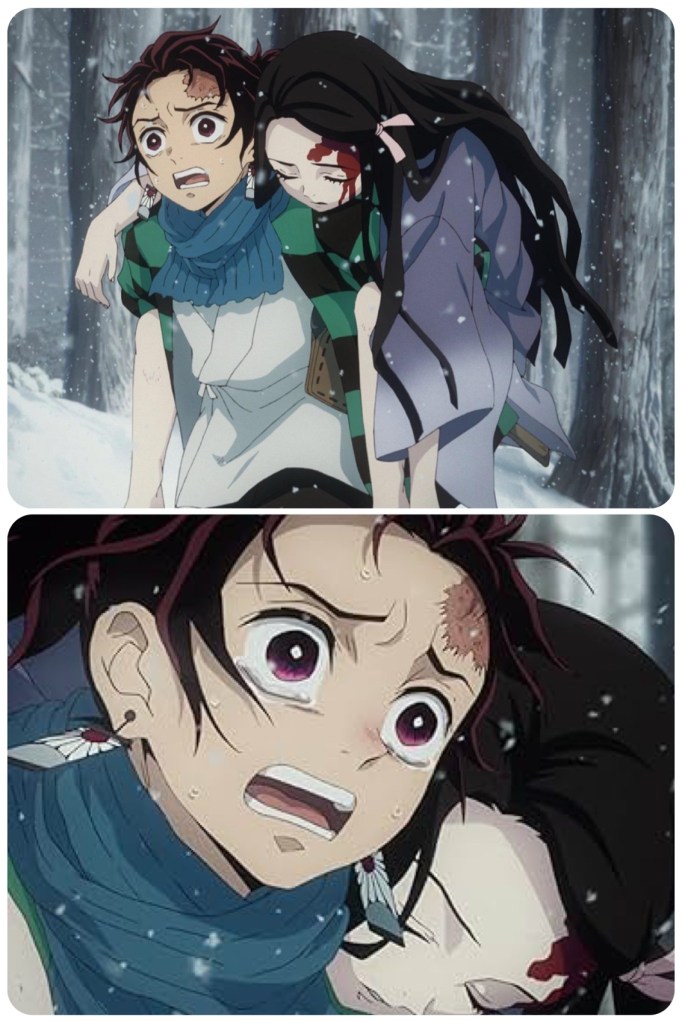
7. Consider Your Specific Child over Children “as a whole”
This part matters more than any rating system.
While I, as a reviewer, have to take young viewership in “as a whole,” parents and guardians have the benefit of being able to look at an anime and consider their specific child.
One child may be able to watch something just fine while their sibling(s) or classmate(s) are not, and that is perfectly OK!
Some children (even pre-teens or teens) are more sensitive to:
- scary imagery
- sadness
- suspense
- spiritual themes
- crude humor
- bullying
- intense action
Others may handle adventure or fantasy conflict just fine, but still not be ready for certain emotional or moral themes.
So when asking whether an anime is safe for kids, it may be better to ask:
“Is this anime safe for my child right now?”
That question is usually much more helpful when considering an anime.
8. Start With Safer Categories
If a parent is brand new to anime, I usually think it is wiser to begin with shows that lean toward:
- gentle adventure
- found family
- comedy
- wholesome fantasy
- school friendships
- imaginative but not dark storytelling
Starting with safer categories helps families build confidence before branching out into more intense genres.
A Good Rule of Thumb
If an anime feels like it would fit comfortably beside a family adventure movie, a gentle fantasy story, or a character-driven coming-of-age show, it may be a better place to start.
If it feels edgy, provocative, highly sexualized, graphic, or emotionally relentless, it is probably not the best first choice for kids.
Also, never be afraid to change your mind. Some anime have really great first episodes or seasons, but get darker as time goes along. You can change your mind if you don’t feel the anime is as safe as you thought it was!
Final Thoughts for Parents & Guardians
If you are trying to figure out whether an anime is safe for kids, give yourself grace: You do not have to know everything about anime to make wise decisions for your family.
You just need a few good questions, a willingness to preview when needed, and the confidence to say,
“This may be popular, but that does not mean it is the right fit for my child.”
- Great examples of this include anime like Dandadan (Adult only), Jujutsu Kaisen (17+), Attack on Titan (17+), or Demon Slayer (13+)
Anime can be full of creativity, courage, friendship, and beautiful storytelling. It can also contain themes that require discernment.
That is why parent & guardian awareness matters so much.
At the end of the day, a “safe” anime is not simply one that looks cute or has a young main character. It is one that fits your child’s maturity level and your family’s values.
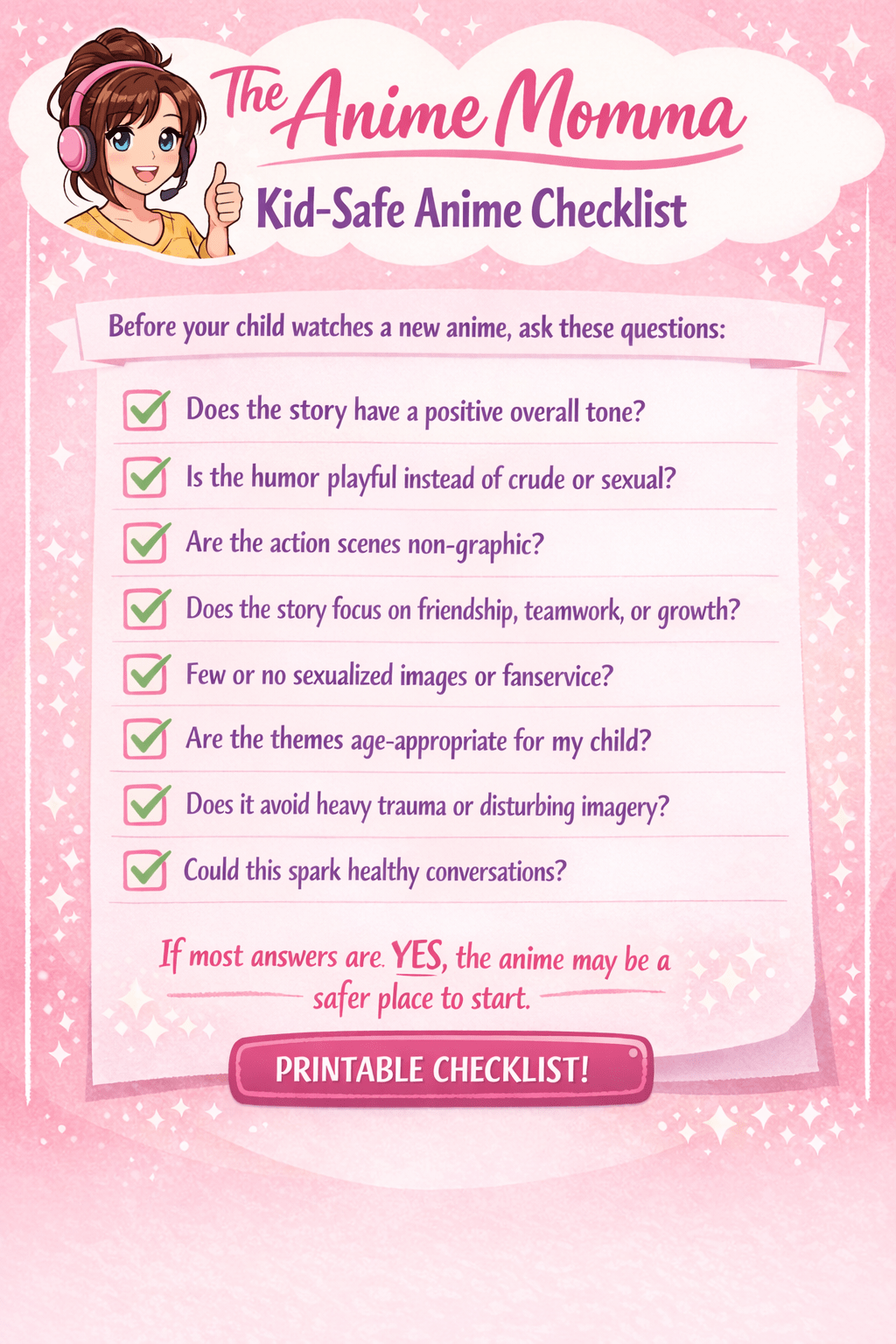
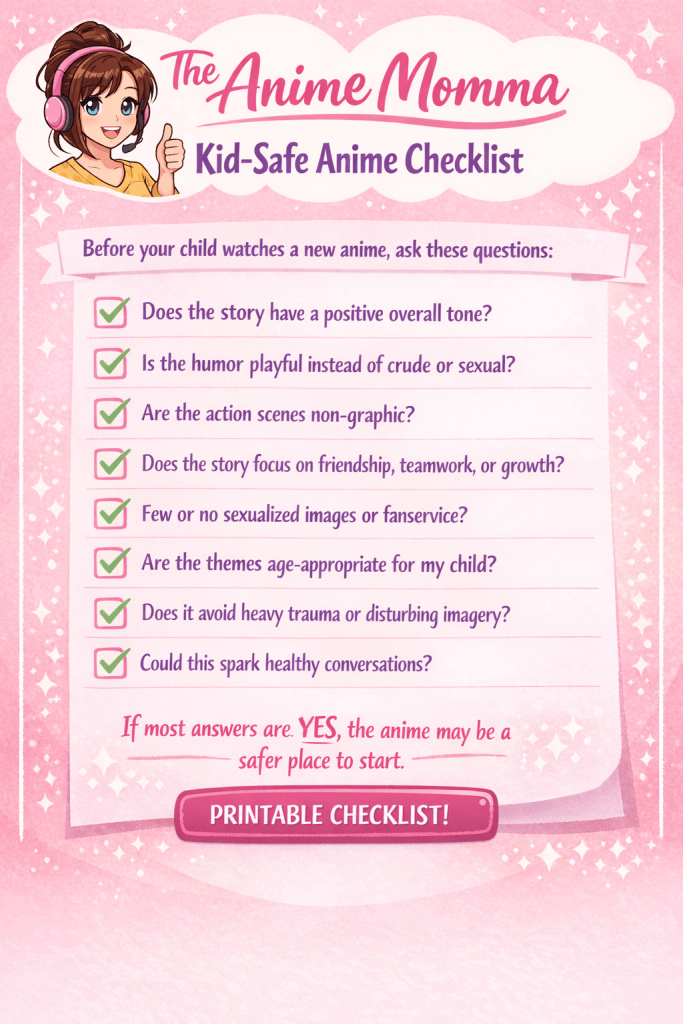
Before diving into a new anime with your child, I like to run through a quick checklist. Below is the simple guide I use, and now, you can too!
At The Anime Momma Blog, my goal is simple: helping parents understand the anime their kids love so families can watch with wisdom, discernment, and great conversations along the way.
Check us out on social media✨
 The Anime Momma Blog
Leave a comment