The Anime Momma Blog
Faith, family, and anime—reviewed with parents in mind.
recent posts
about
Category: Parent Resources
-
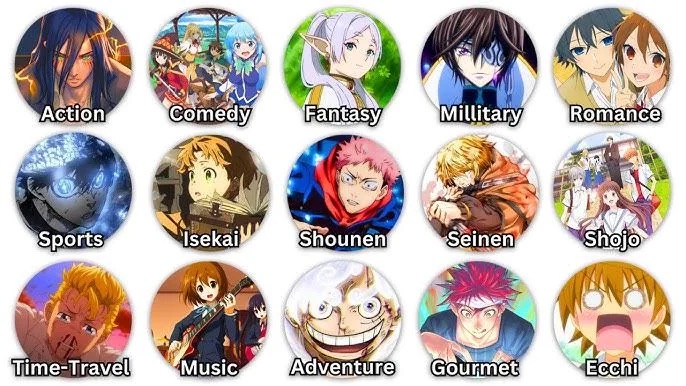
If you’re new to anime, one of the most helpful things to understand is genres. Just like with books, movies, and TV shows, anime is divided into different categories based on the type of story being told. Knowing the basics of anime genres can help parents and guardians quickly decide whether a show might be…
-
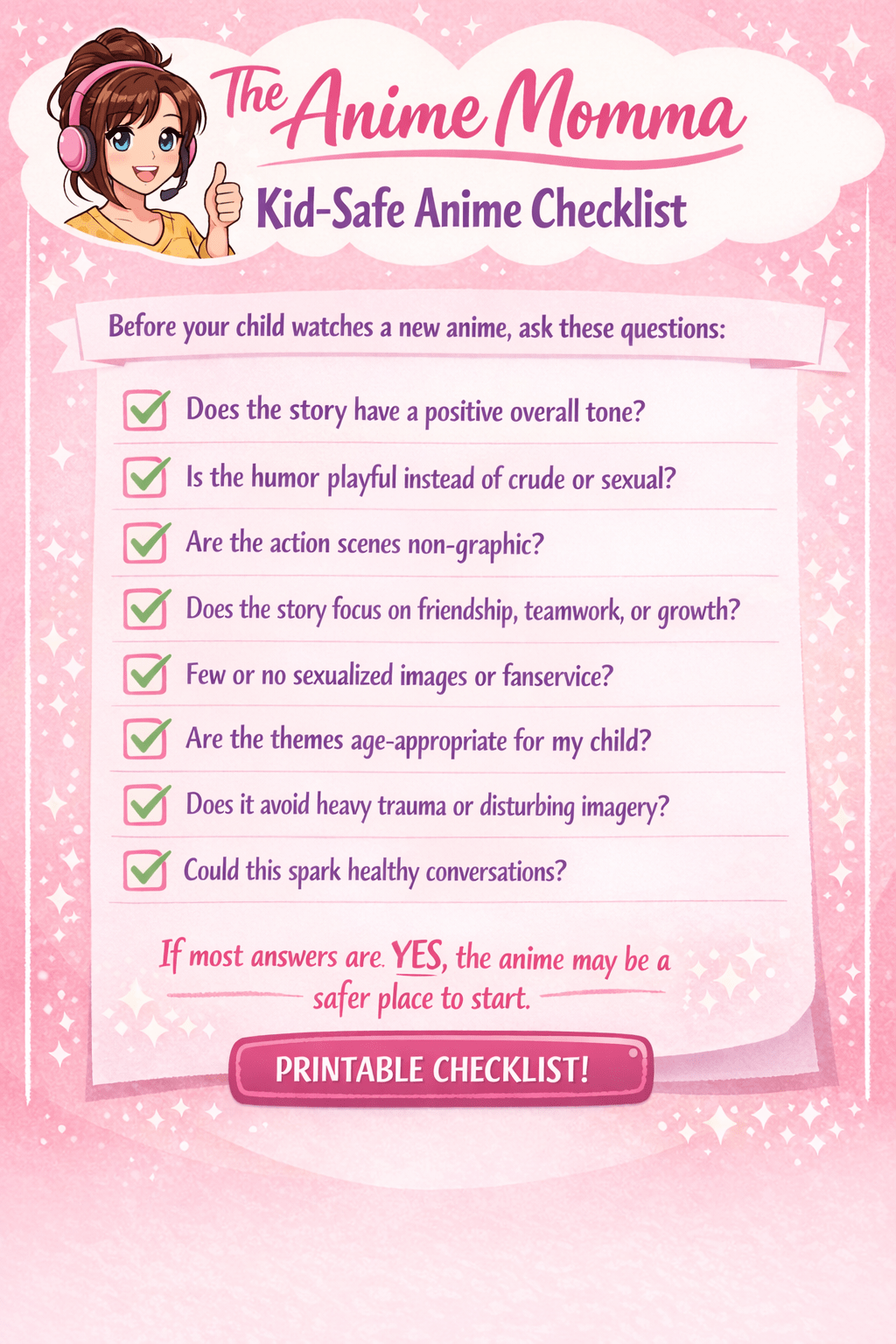
A kid-safe anime usually has a lighter tone, age-appropriate humor, minimal graphic violence, and little to no sexualized content. Parents should avoid assuming an anime is safe simply because it is animated or popular. Instead, consider the tone of the story, the intended audience, common themes, and your child’s maturity level before deciding.
-
Anime itself isn’t dangerous—but today’s online fandom spaces can quietly blur boundaries through what I call unsupervised intensity. With open conversations, healthy boundaries, and heart-focused guidance, parents can help kids enjoy anime without drifting into unhealthy or explicit content.
-
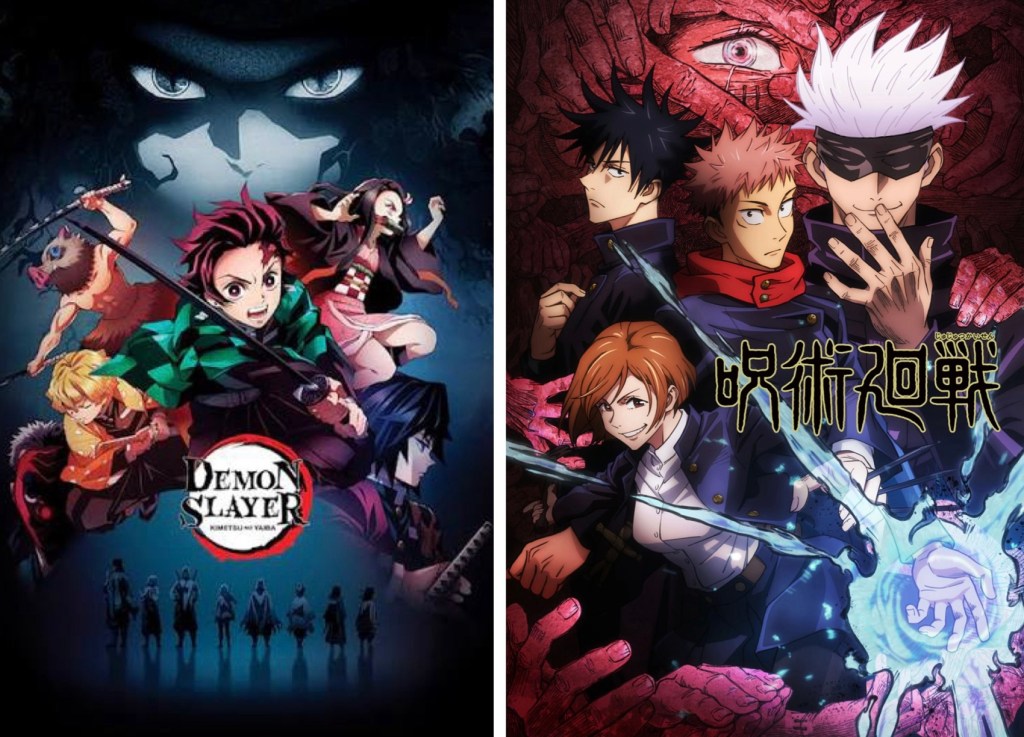
Demon Slayer and Jujutsu Kaisen may look similar on the surface, but they land very differently emotionally. Demon Slayer leans toward hope, compassion, and family-centered motivation, while Jujutsu Kaisen explores darker themes like despair, moral ambiguity, and emotional isolation. Both can be meaningful—but both bring different kinds of intensity. The key isn’t banning one or…
-
Online fandom spaces can offer connection, creativity, and encouragement—but they can also intensify obsession, blur boundaries, and expose kids and teens to emotional or safety risks. Parents don’t need to fear anime or fandoms; instead, we can stay curious, involved, and proactive by teaching healthy boundaries, recognizing warning signs, and helping our kids enjoy what…
 The Anime Momma Blog