My Child Wants to Watch Anime—What Do I Need to Know?
In recent years, anime has grown significantly in popularity, becoming one of the most-watched forms of entertainment across all age groups.
My students watch it. My coworkers watch it. Family members—both young and old—love it. So when a friend tells me their child is interested in anime and asks where to begin, I’m more than happy to help.
When people ask my opinion on anime, I usually give a simple response:
“Anime is great—just make sure you do your research.”
Over time, however, I’ve realized that this isn’t the question parents and guardians are really asking. What they truly want to know is:
“What should I understand about anime before I allow my child to watch it?”
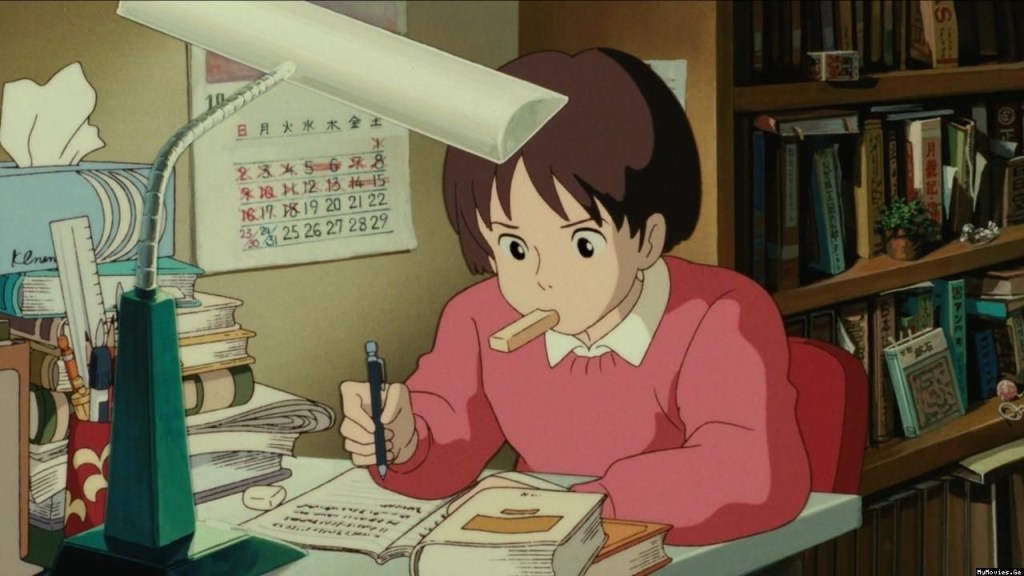
Anime Is Not One-Size-Fits-All
The most important thing to remember is that anime, like any other form of television or film, varies widely. There are many genres, ratings, and levels of maturity. Some anime is designed specifically for children, while other titles are clearly intended for adults.
For the sake of clarity, I’ll set those categories aside for now and focus on what I believe parents should know first.
Cultural Context Matters
Anime originates from Japanese culture, and as a result, many shows include themes, visuals, or behaviors that may feel unusual—or even inappropriate—by Western standards. These cultural differences don’t give anime a “free pass,” nor should they be ignored.
As adults and guardians, it’s our responsibility to preview and evaluate all media our children consume—whether it’s anime, live-action TV, movies, Disney content, music, or social media.
That said, anime should not be judged or dismissed as a whole based on a single show or episode.
Common Themes You May Encounter in Anime
Below are five common elements frequently found across many anime series. While not every show includes all of these, they are worth understanding as you explore anime for your family.
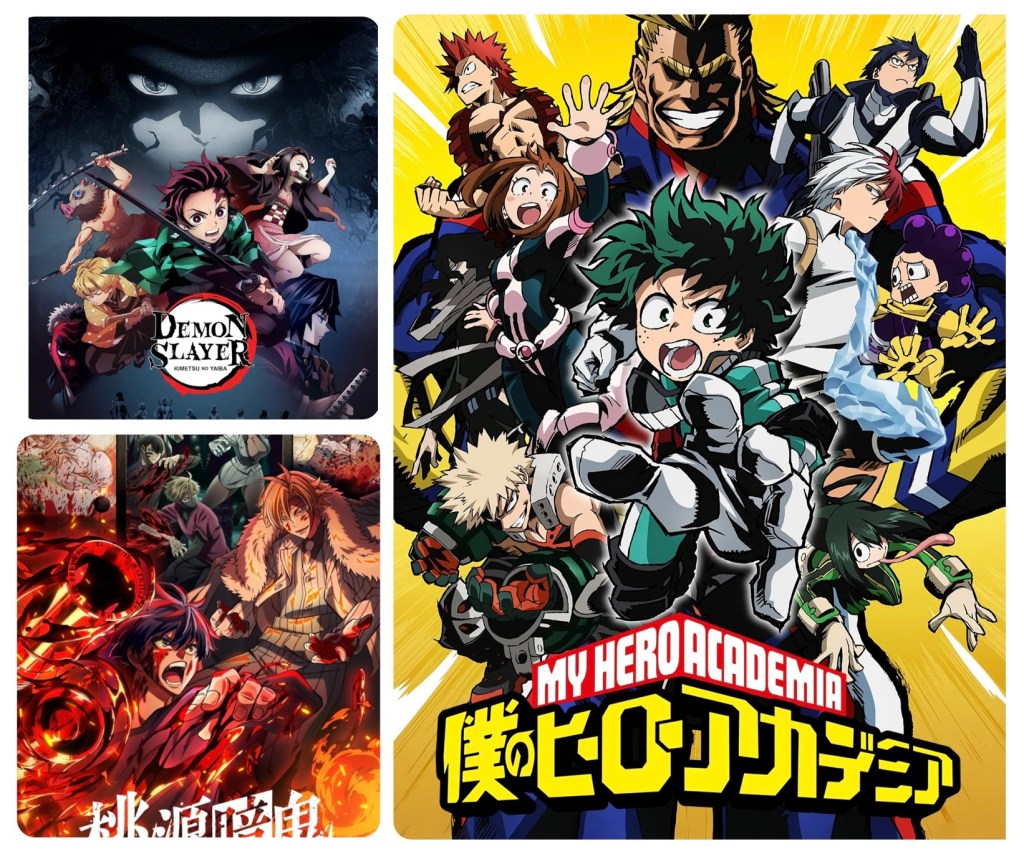
1. Family Values
Family—whether biological or chosen—is often portrayed as deeply important in anime. While this emphasis can be positive, it may also create unrealistic expectations for children, particularly when families are depicted as idealized or flawless.
2. Revenge and Secrecy
Revenge is a powerful and recurring motivator in anime storytelling. Viewers may witness a cheerful, kind main character experience trauma and become consumed by a desire for vengeance, often while struggling internally with their moral code. This transformation can be emotionally intense and unsettling for younger viewers.
Many anime involving magic, heroism, or supernatural abilities often revolve around secrecy. Characters frequently hide major aspects of their lives from family and friends—often with the justification that revealing the truth would put others in danger. While this can drive compelling stories, it may raise questions about honesty and communication.
3. Alternative Lifestyle Representation
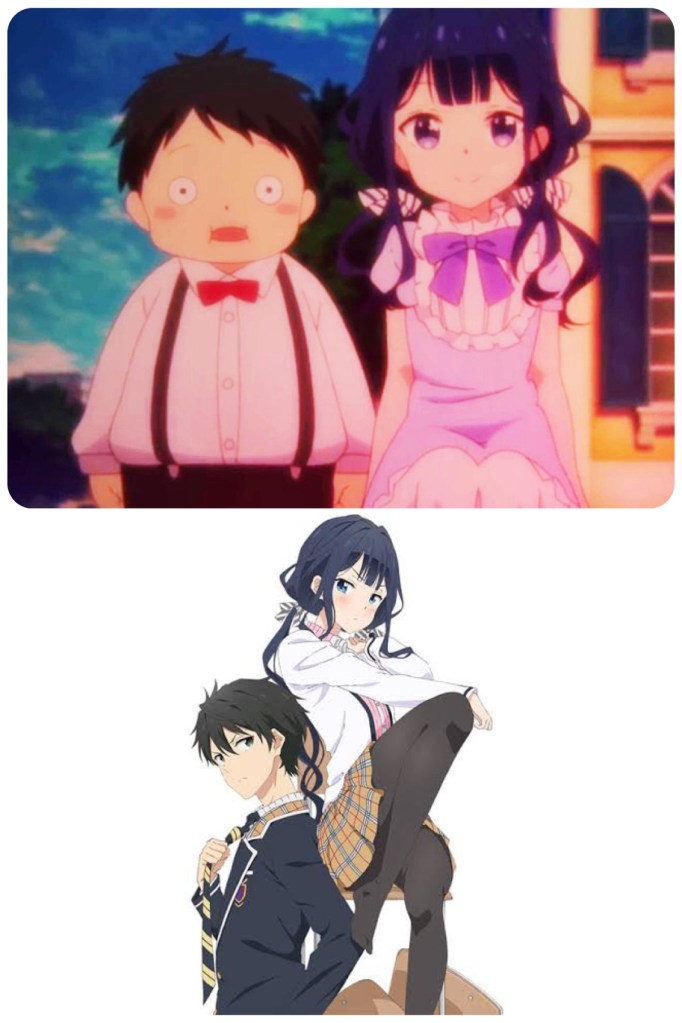
Alternative lifestyle presentation can also differ from Western norms. Male characters may be dressed to appear feminine, and female characters may be portrayed as traditionally masculine. Sometimes, these situations are treated as comedically uncomfortable or unusual within the story itself, while other times they are seen as normal and a non-issue.
Additionally, LGBTQ+ characters or couples appear in many anime—sometimes as central characters and sometimes in supporting roles. While this is becoming more common in Western media as well, it may still be unexpected for some families.
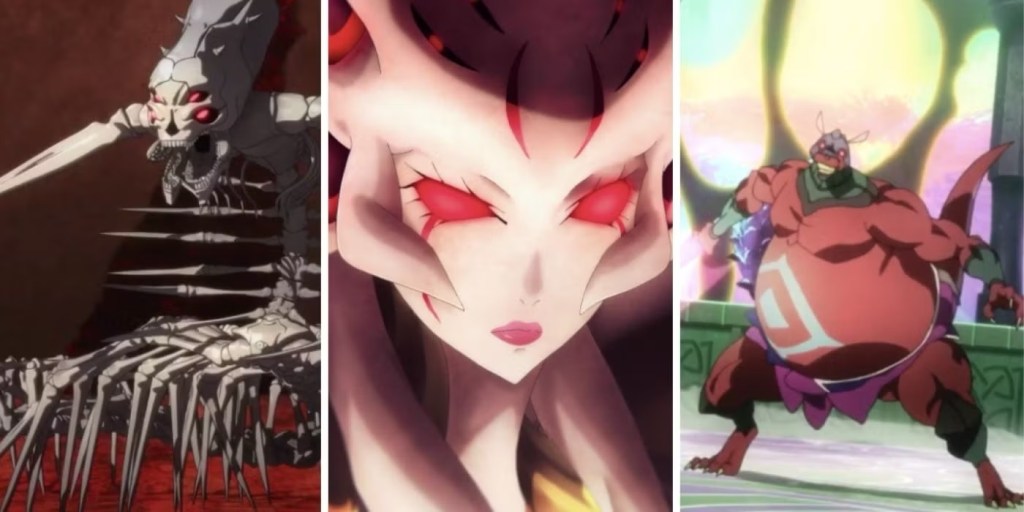
4. “Demons” and Monsters
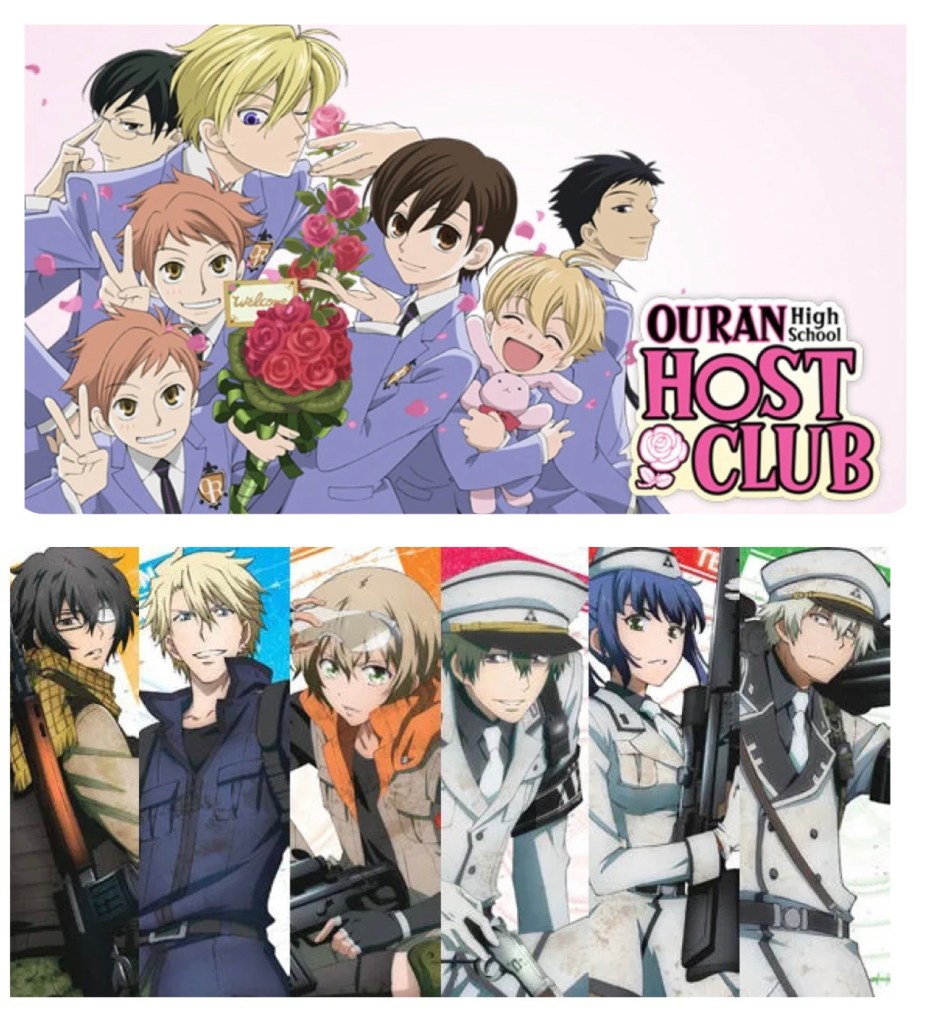
In older anime (particularly from the 1990s through the early 2010s), monsters are often referred to as “demons.” These are typically not religious demons in the Christian sense but are instead fantasy creatures. More recent anime has begun to distinguish more clearly between monsters and demons, though the terminology still varies by series.
5. Inappropriate Themes or Conduct
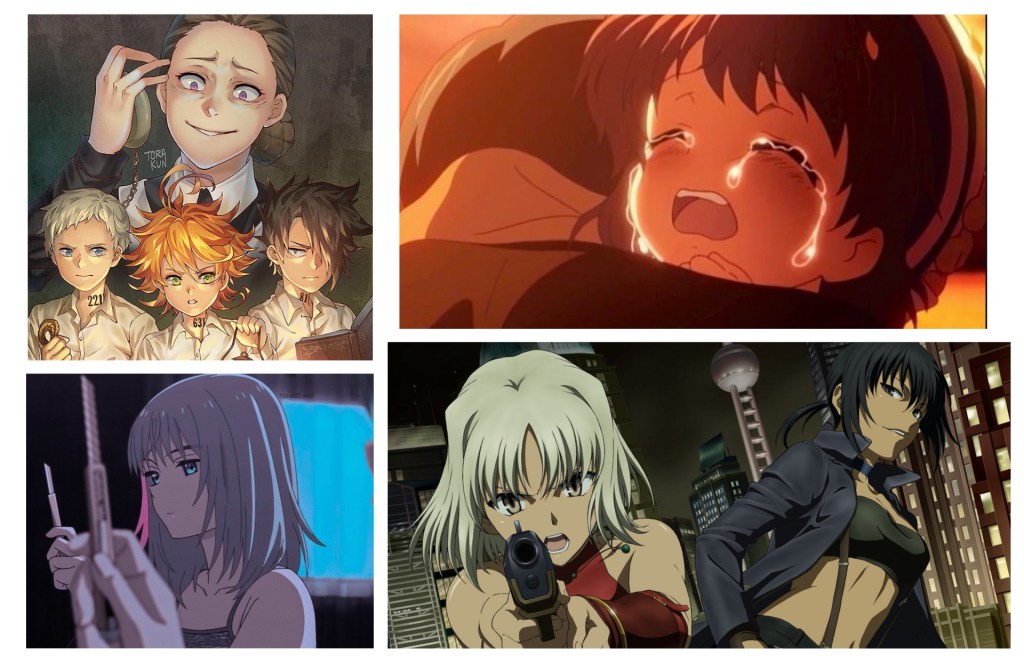
Profanity appears fairly regularly in anime and is no exception here. Viewers may hear words such as “shit” and “damn,” as well as stronger language like “motherf—er.” In addition, terms that are not always classified as profanity but may still feel inappropriate to some families, such as “bastard,” are also used. Parents and guardians may wish to take this into consideration when deciding whether the language level is appropriate for their household.
In addition, many anime include sexualized imagery, such as panty shots or exaggerated focus on a character’s body. In some cases, these moments are brief or played for humor; in others, they may linger longer than necessary.
What I Rate in My Reviews
Each review on The Anime Momma Blog includes the following categories:
- Action Level
- Addiction Level
- Blood/Gore Level
- Inappropriate Themes or Conduct
- Alternative Lifestyle Themes
- Level of Magical Elements
- Level of Romance
Additional concerns—such as abuse, eating disorders, self-harm, or even cross-dressing—are discussed in a separate section titled “Section 4: Special Notes for Parents & Guardians” when relevant.
A Final Note for Parents and Guardians
There are many more nuances I could include, but these are the most common themes I believe parents should be aware of when starting their anime journey.
Please don’t let any of this discourage you. In my reviews, I address these elements thoughtfully and clearly whenever they appear. I break them down in specific sections so parents and guardians can make informed decisions.
Stay tuned for more reviews from The Anime Momma Blog 💛
 The Anime Momma Blog
Leave a comment