Why Internet Safety Matters More Than Ever
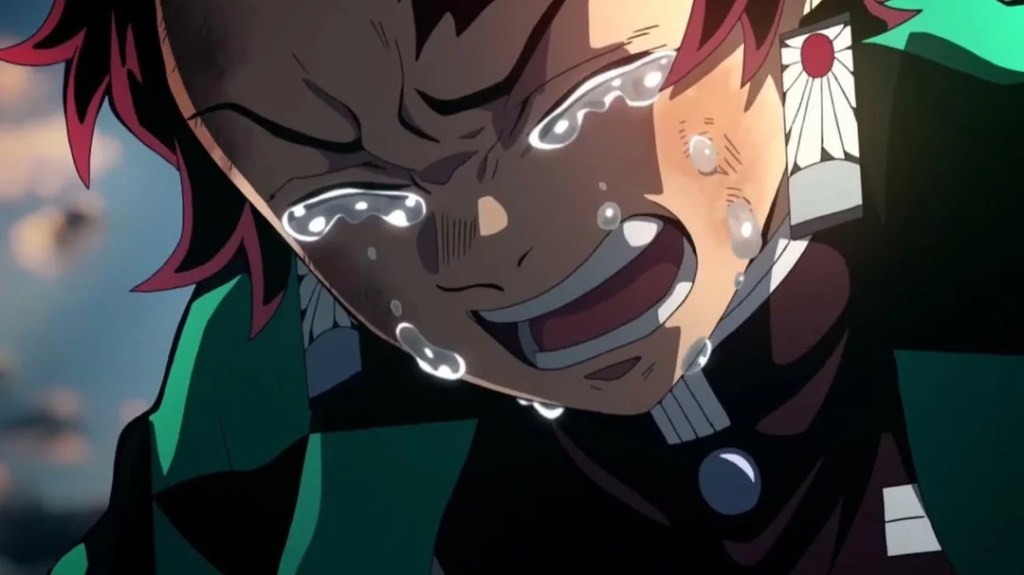
There’s something uniquely intense about being young (and this is especially true in the 10-15 years old age range: from here on, I’ll use the example of age of 12).
One bad comment can ruin your entire week.
One friendship fight can feel world-ending.
One embarrassing moment can replay in your brain at 2 AM for the next six months.
And honestly? That feeling is real.
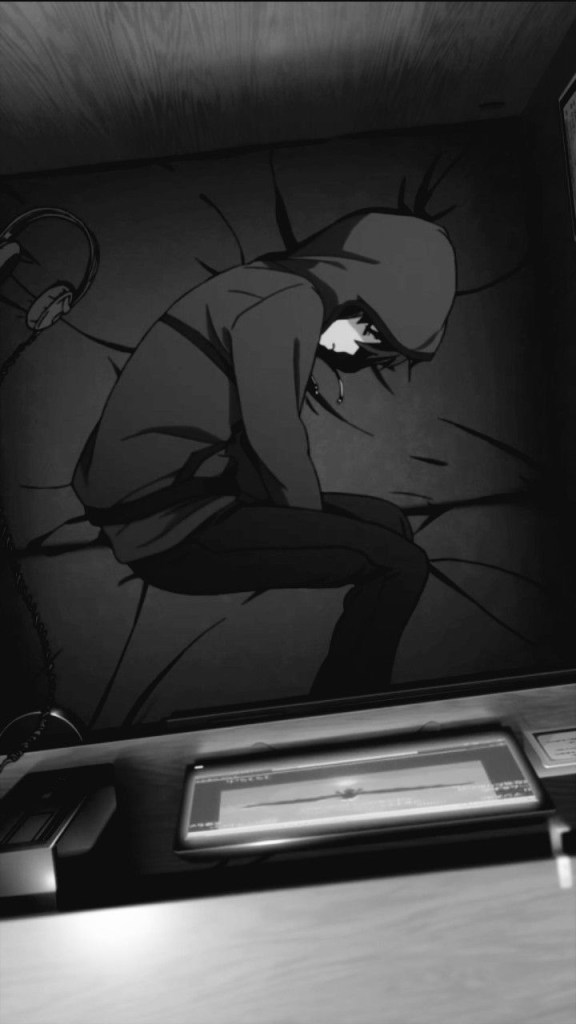
Adults sometimes laugh things off with, “You’ll understand when you’re older,” but that doesn’t help much when you’re in the middle of feeling hurt, overwhelmed, rejected, lonely, confused, or deeply emotional.
At 12, your world is changing fast.
Your emotions are getting bigger.
Your awareness is growing.
And for many kids, the internet becomes the place where they try to figure out who they are.
That’s exactly why internet safety matters so much during these years.
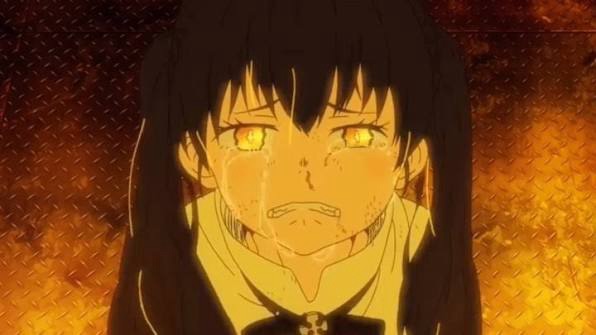
TL;DR: Being young is emotionally intense because your brain, identity, and social world are all changing rapidly.
That emotional intensity can make internet culture, social media, anime fandoms, and online communities feel incredibly important.
But not every online space is safe.
Not every anime is appropriate for younger viewers.
And kids deserve guidance while learning how to navigate media responsibly.
Internet safety isn’t just about strangers online anymore.
It’s also about protecting emotional health, learning discernment, and understanding how media shapes us.
Why Emotions Feel So Big at 12
When you’re in that young, preteen-early teen years, your brain is still learning how to process emotions, stress, identity, relationships, and consequences.
That means:
- Rejection feels sharper
- Embarrassment feels massive
- Fear feels more intense
- Social approval feels extremely important
- Online opinions suddenly carry weight
- Media starts shaping how you think about yourself and others
This is also the age where many kids begin exploring:
- Social media
- YouTube communities
- Online fandoms
- Discord servers
- Anime communities
- Streaming sites
- Chat apps
- Influencer culture
And while there are amazing communities online, there are also spaces that can seriously affect mental health, emotional maturity, and personal safety.
The Internet Isn’t Raising Kids Carefully
The internet does not care whether a child is emotionally ready for what they’re seeing.
Algorithms are designed to keep people watching.
Not to protect innocence.
Not to encourage wisdom.
Not to help kids process difficult themes safely.
A child can go from:
- Watching funny anime clips
- To darker edits
- To toxic communities
- To harmful “relationship advice”
- To disturbing and/or explicit content (videos, fanfiction, TikToks, etc.)
…sometimes within minutes. That’s how it happened for me, personally. And it took me over a decade to finally understand what happened.
Because kids naturally want to feel accepted and/or “grown up,” they may keep watching things that actually make them anxious, overwhelmed, desensitized, or emotionally confused.
That doesn’t make them bad.
It makes them young.
Anime Isn’t Automatically Safe Just Because It’s Animated
This is one of the biggest misconceptions online right now.
A lot of parents see animation and assume:
“Oh, it’s a cartoon. It must be fine.”
But anime covers every genre imaginable.
Some series are wholesome and family-friendly.
Others contain:
- Graphic violence
- Sexual content
- Predatory themes
- Emotional manipulation
- Occult themes
- Self-destructive behavior
- Romanticized toxicity
- Fanservice involving young-looking characters
And younger viewers often aren’t emotionally prepared to process those themes critically.
At 12, many kids are still learning:
- What healthy relationships look like
- What manipulation looks like
- What emotional boundaries are
- What respect should feel like
- What media should not normalize
That’s why media discernment matters.
Not every popular anime is appropriate simply because “everyone else is watching it.”
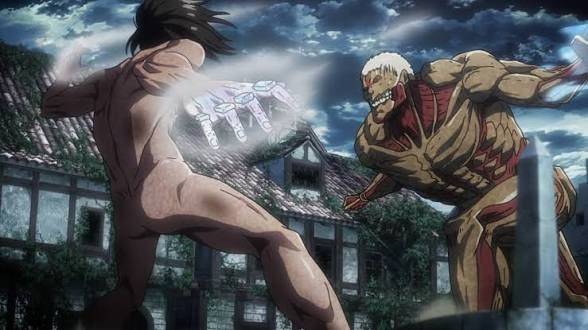
An anime that is extremely violent and that I personally do not recommend, despite its popularity, is Shingeki no Kyojin / Attack on Titan.
“Everyone Else Watches It” Is One of the Hardest Pressures
Middle school culture can make kids feel like they have to keep up with trends in order to belong.
If everyone online is talking about a series, game, creator, or trend, kids may feel:
- Left out
- Immature
- Behind
- Uncool
- Lonely
And predators, toxic influencers, and manipulative communities know this.
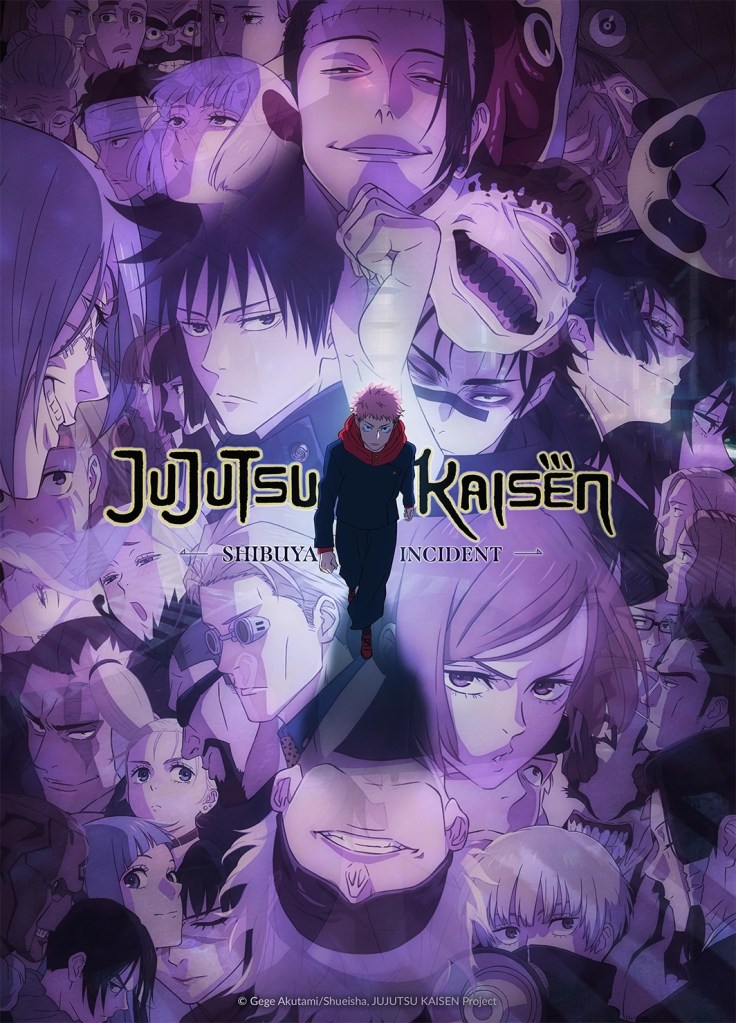
Another anime I do not suggest for kids or young teens, despite its popularity, is JJK.
Some online spaces intentionally make kids feel accepted first before gradually introducing:
- Inappropriate jokes
- Sexual conversations
- Graphic content
- Unsafe challenges
- Harmful ideologies
- Emotional dependency
Kids who feel lonely or misunderstood are especially vulnerable to this.
That’s why open conversations matter so much more than fear-based parenting.
Children need safe adults who can say:
“You can talk to me about what you saw online.”
Without immediate shame or panic.
I try to give conversation topics and/or questions for an anime in each review.
Why Certain Media Hits Harder
At 12, identity is still forming.
So media doesn’t just entertain kids.
It often becomes:
- Emotional comfort
- Community
- Escape
- Identity
- Validation
- A coping mechanism
That means darker media can sometimes affect younger viewers more deeply than they realize.
For example:
- Constant exposure to cruelty can normalize cruelty
- Sexualized media can distort expectations
- Doom-focused content can increase anxiety
- Toxic romance stories can confuse boundaries
- Cynical content can make hopelessness feel “normal”
And because the internet rewards extreme reactions, kids are often exposed to the loudest, darkest, most emotionally intense content first.
Parents Don’t Need to Panic — But They Do Need to Pay Attention
The goal is not to ban everything… but to stay involved.
Some of the healthiest things parents can do are:
- Watch shows with their kids sometimes
- Learn what fandoms they’re part of
- Keep conversations open and calm
- Teach critical thinking
- Talk about healthy relationships
- Discuss online manipulation honestly
- Encourage offline hobbies and friendships
- Help kids recognize when media is affecting their mood
Kids are far more likely to come to safe adults when they don’t feel immediately judged.
To the Kids Reading This
If you’re around this age and everything feels huge right now:
You’re not weird for feeling things deeply.
Your emotions are real.
Your experiences matter.
But not everything online deserves access to your mind, your emotions, or your trust.
Some content is designed to shock you.
Some communities want your attention more than your wellbeing.
Some trends are not harmless.
And it’s okay to step away from things that make you feel:
- Constantly anxious
- Emotionally drained
- Unsafe
- Pressured
- Numb
- Obsessed
- Uncomfortable
Being “mature” doesn’t mean consuming the darkest content possible.
Sometimes maturity looks like protecting your peace.
Final Notes
The internet can be an incredible place.
It can inspire creativity, friendships, storytelling, and genuine community.
But children and young teens still need wisdom, boundaries, and guidance while navigating it.
And sometimes the most important thing we can teach kids is this:
You do not have to consume everything the internet puts in front of you.
It is okay to slow down.
It is okay to ask questions.
And it is okay to protect your heart and mind while growing up in a very loud online world.
Thank you for reading. Whether you are a parent or you are one of the “12”s I mention in this article, I’d love to hear from you in the comments. I look forward to hearing from you! 💜
At The Anime Momma Blog, my goal is simple: Helping parents understand the anime their kids love by guiding families to watch with wisdom and discernment, and grow through meaningful conversation.
Check us out on social media ✨
 The Anime Momma Blog
Leave a comment