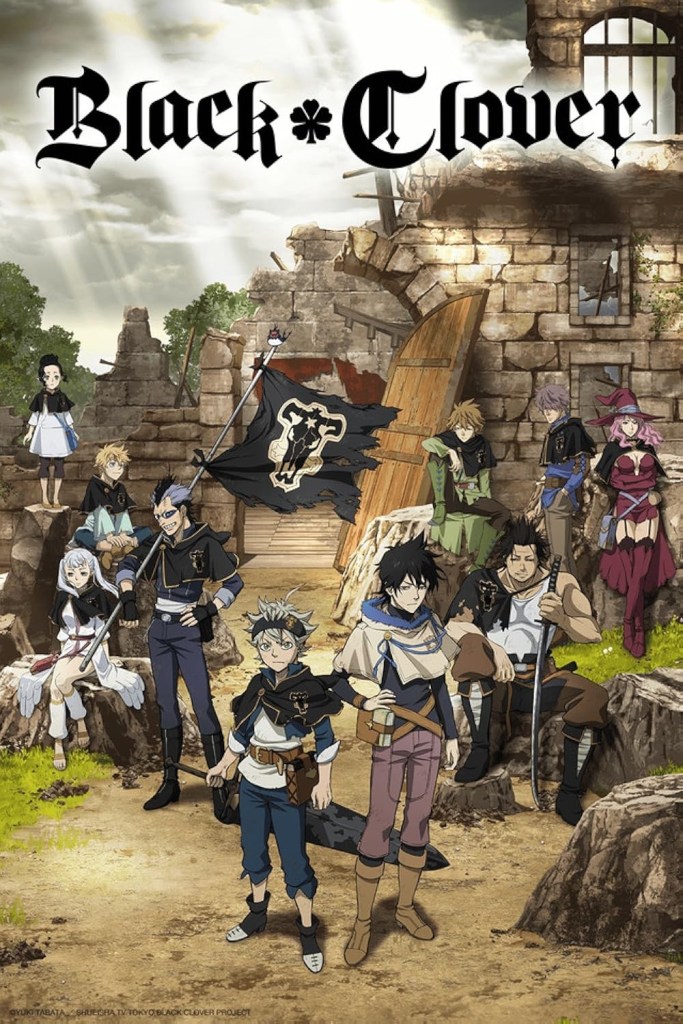
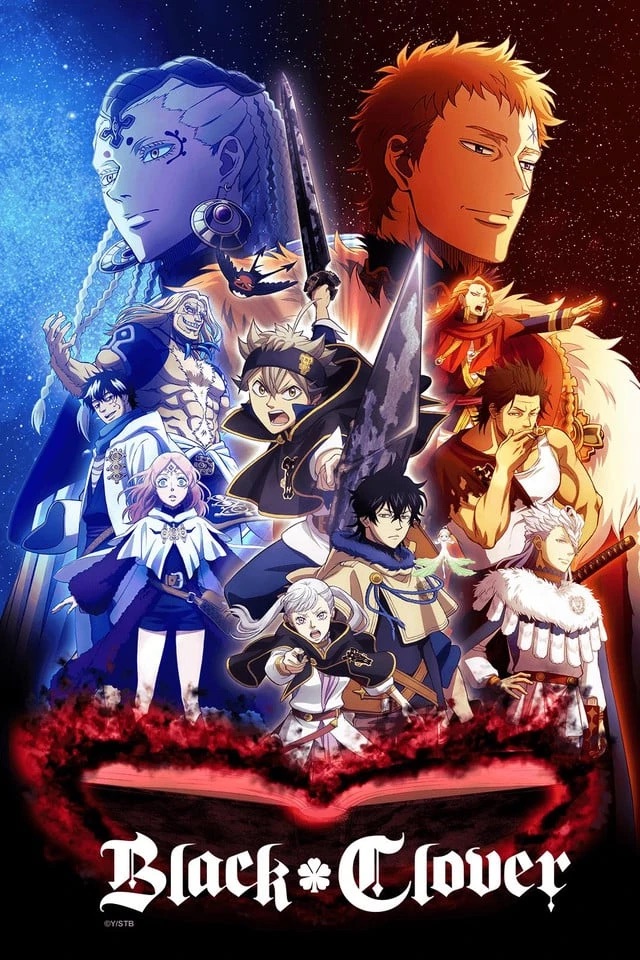
TL;DR: A high-energy fantasy anime filled with magic battles, underdog themes, and one of the healthiest rivalries in shounen anime. Black Clover explores discrimination, perseverance, and self-worth through Asta and Yuno’s journey from orphaned peasants to powerful magic knights. Loud, emotional, funny, and surprisingly heartfelt once it finds its footing.
Section 1: Black Clover (S1; 170 Episodes) — At a Glance
Anime Summary | Taken directly from MyAnimeList
Asta and Yuno were abandoned at the same church on the same day. Raised together as children, they came to know of the “Wizard King”—a title given to the strongest mage in the kingdom—and promised that they would compete against each other for the position of the next Wizard King. However, as they grew up, the stark difference between them became evident. While Yuno is able to wield magic with amazing power and control, Asta cannot use magic at all and desperately tries to awaken his powers by training physically.
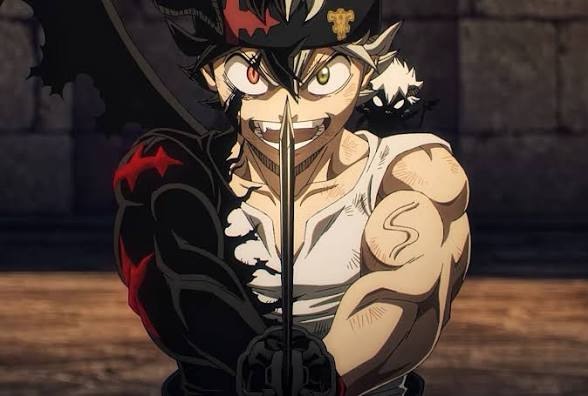
When they reach the age of 15, Yuno is bestowed a spectacular Grimoire with a four-leaf clover, while Asta receives nothing. However, soon after, Yuno is attacked by a person named Lebuty, whose main purpose is to obtain Yuno’s Grimoire. Asta tries to fight Lebuty, but he is outmatched. Though without hope and on the brink of defeat, he finds the strength to continue when he hears Yuno’s voice. Unleashing his inner emotions in a rage, Asta receives a five-leaf clover Grimoire, a “Black Clover” giving him enough power to defeat Lebuty. A few days later, the two friends head out into the world, both seeking the same goal—to become the Wizard King!
Genres & Themes
Action, Adventure, Fantasy, Shounen, Supernatural
MyAnimeList Rating
PG-13+ | Teens 13 and Older
The Anime Momma Rating
PG-11+ | Ages 11 and Older, with parental discretion
Section 2: Star Levels
Each category below is rated on a five-star scale:
⭐ = very little present | ⭐⭐⭐⭐⭐ = a lot present
- Action/Violence Level: ⭐⭐⭐⭐⭐ (5/5)
- Addiction Level: ⭐️⭐️⭐️⭐⭐ (5/5)
- Blood/Gore Level: ⭐⭐⭐⭐☆ (4/5)
- Inappropriate, Heavy, or Mature Themes or Conduct: ⭐⭐⭐☆☆ (3/5)
- Alternative Lifestyle Themes: ⭐☆☆☆☆ (1/5)
- Level of Magical Elements: ⭐⭐⭐⭐⭐ (5/5)
- Level of Romance: ⭐⭐⭐☆☆ (3/5)
Section 3: Star Levels — Explained
Action/Violence Level
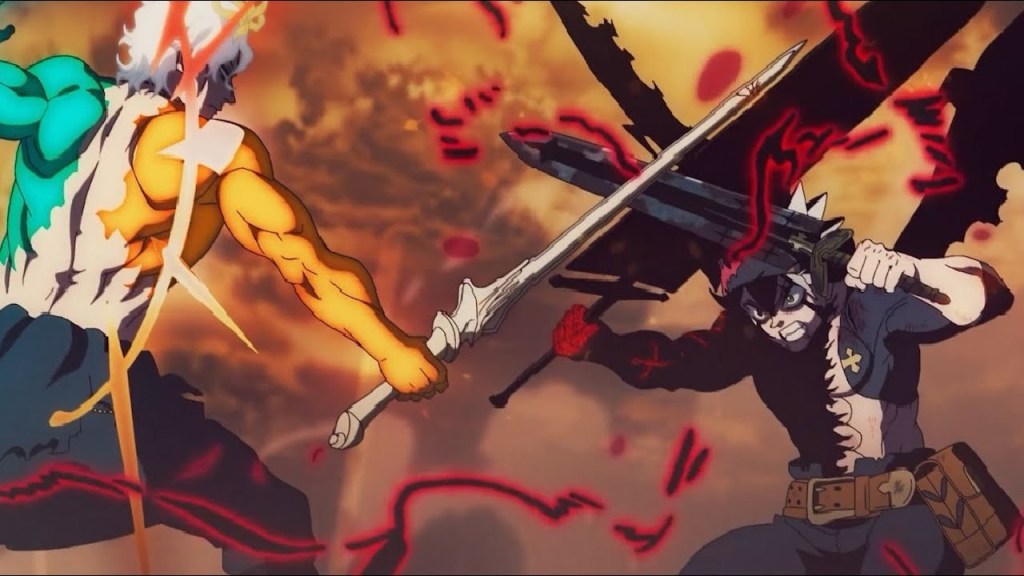
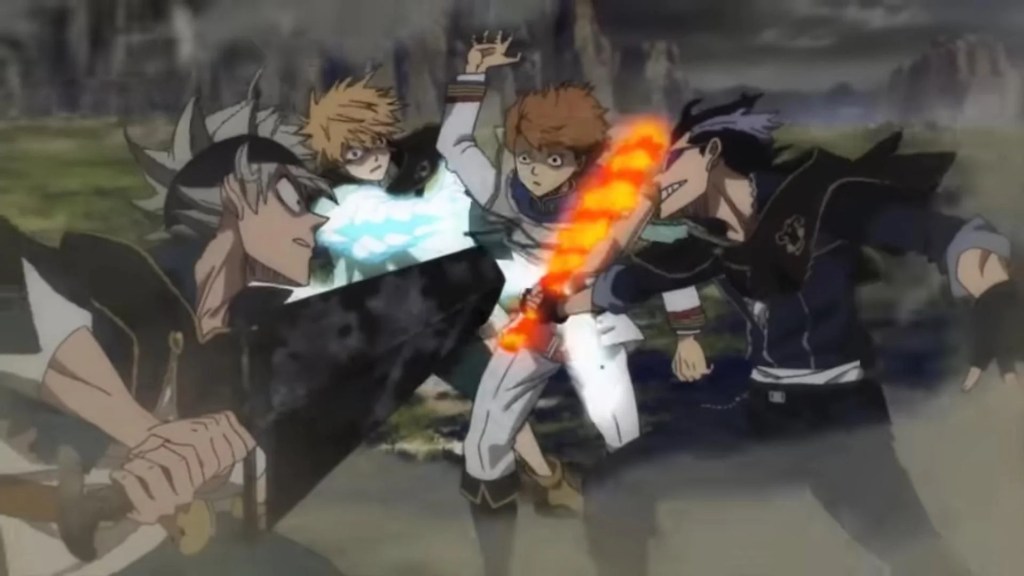
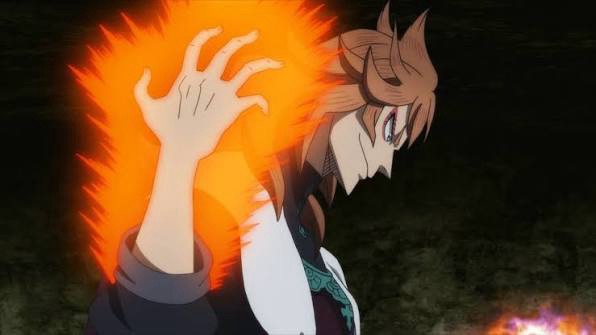
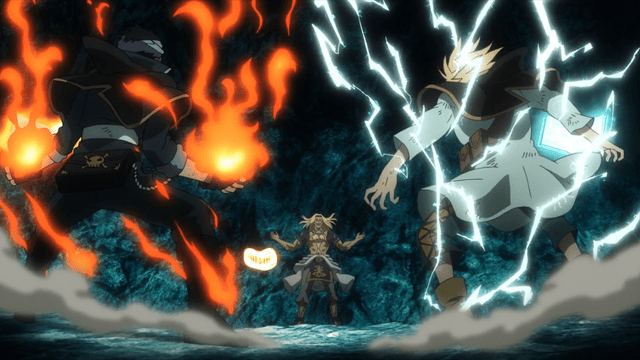
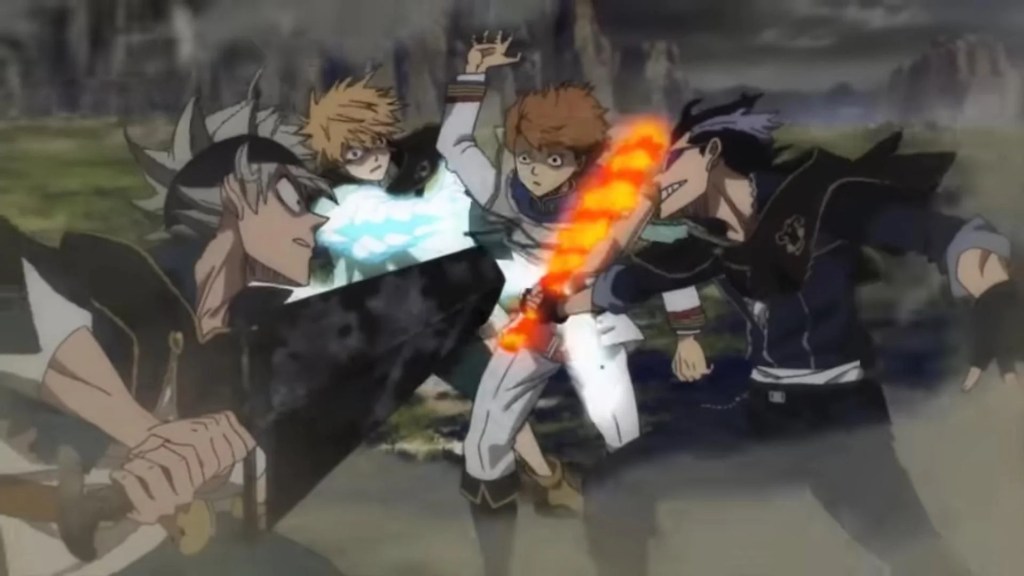
Black Clover is a battle-heavy shounen anime with frequent magical combat, intense fights, and high-energy action scenes. Characters are often injured in battle, and viewers will regularly see magic attacks, sword combat, explosions, destruction, and physical fights.
The violence can be graphic at times and the emotional intensity can be high—especially during major arcs involving loss, discrimination, or overwhelming enemies. Some scenes may feel intense for younger or more sensitive viewers.
Addiction Level
This is definitely one of those “just one more episode” anime. Once the story gets going and the world opens up, it becomes very easy to binge—especially because there are so many episodes to dive into.
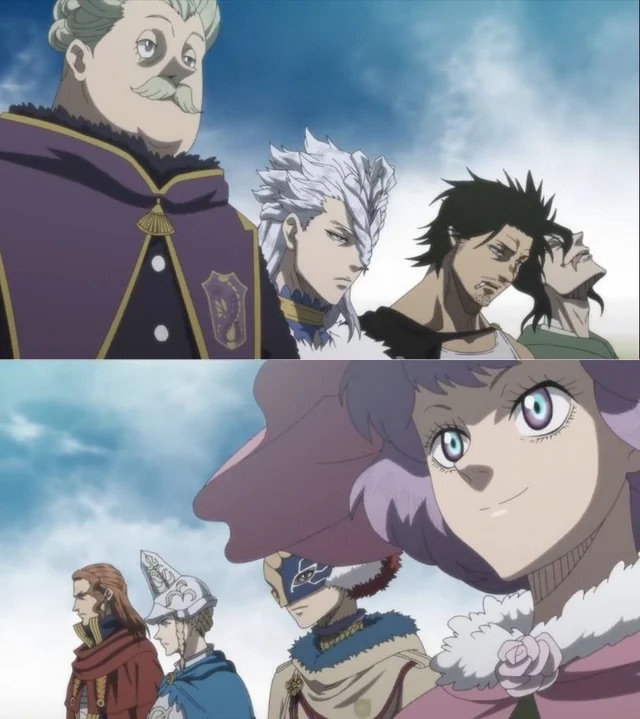
The constant introduction of new magic abilities, rivalries, squads, and emotional victories keeps the momentum moving and can easily turn this into a week-or-two-long obsession for invested viewers.
Blood/Gore Level
There is definitely blood and injuries shown throughout the series, but it is not excessively graphic compared to many darker action anime. Viewers may see characters with cuts, bruises, burns, broken bones, stab wounds, or blood running from injuries after intense fights. Some battles also involve characters being heavily exhausted or pushed past their physical limits.
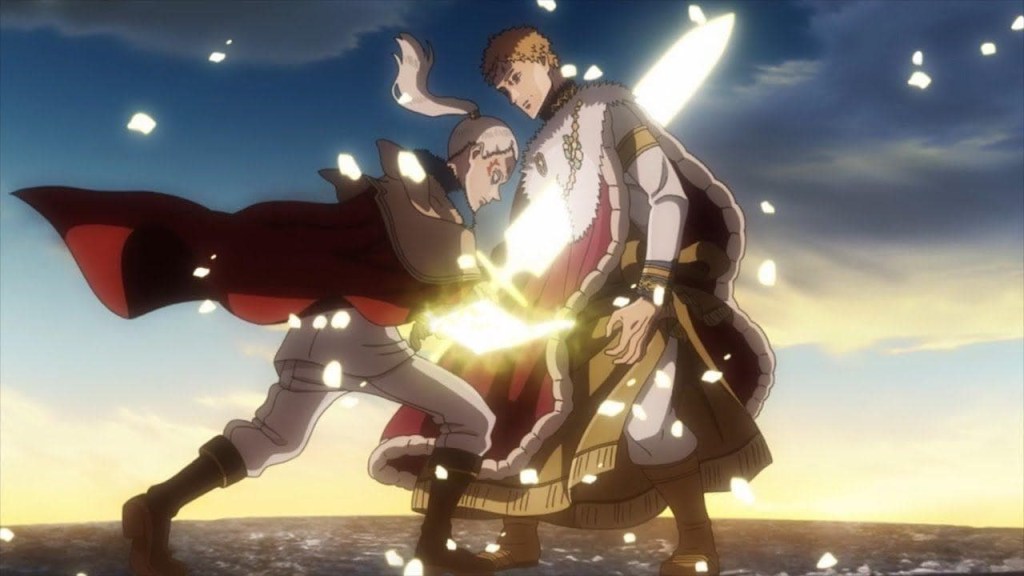
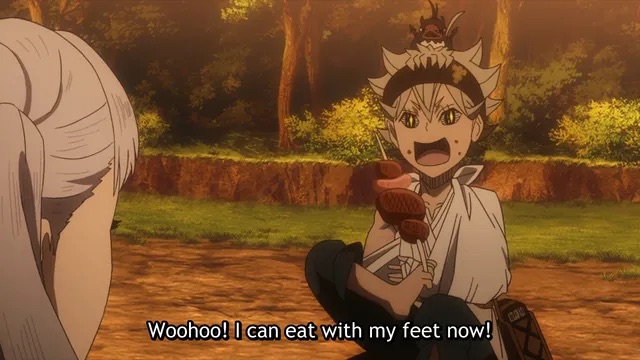
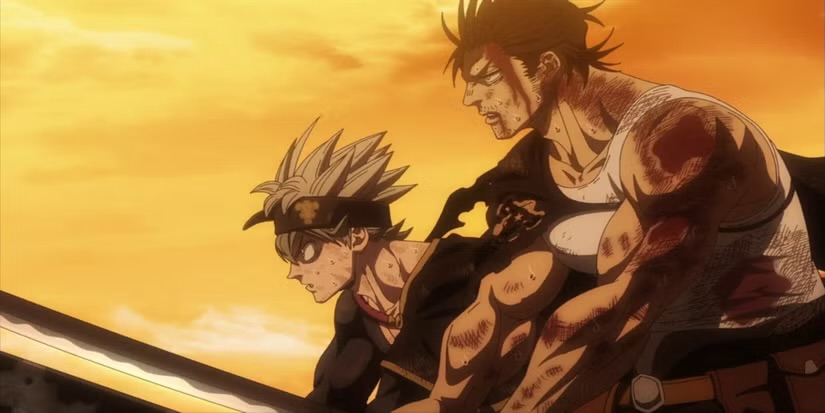
There are occasional scenes involving destruction, frightening enemies, or emotionally intense combat moments, but the series generally avoids lingering on gore or graphic detail. Most of the violence stays within typical shounen-anime levels.
Inappropriate, Heavy, or Mature Themes or Conduct
One of the strongest themes throughout Black Clover is classism and discrimination. Asta and Yuno are both orphans from a poor village, and they are frequently looked down on for being peasants. Nobles often treat commoners as lesser, and viewers regularly see bullying, insults, humiliation, and prejudice directed toward them and others from lower classes.
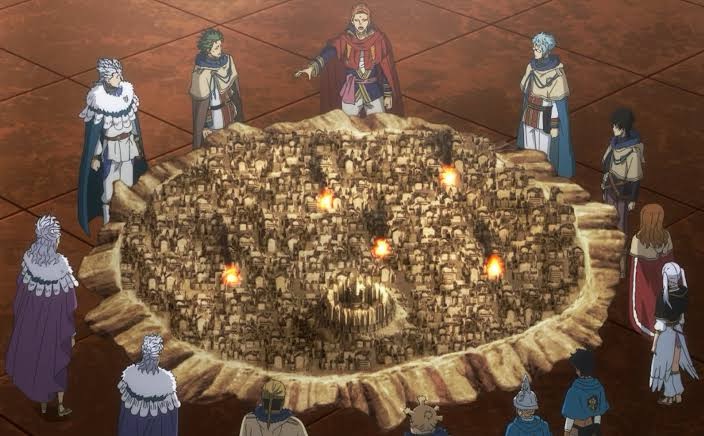
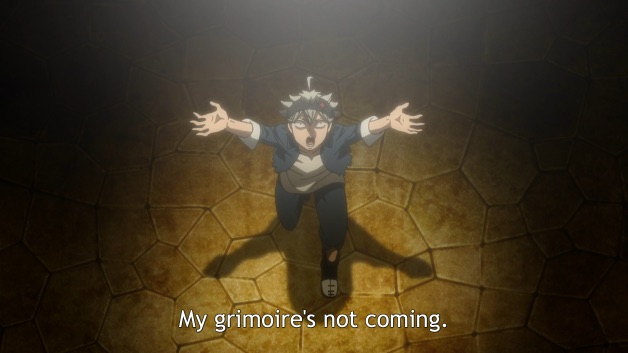
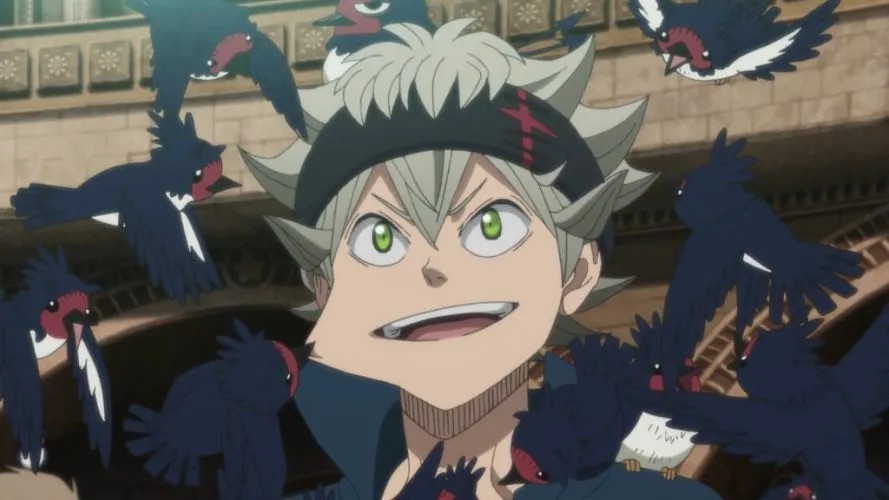
Asta especially carries a deep sense of inadequacy early on. In a world where everyone has magic, he is born without any at all. Because of this, he’s constantly told he can never live up to his dreams, that he’s useless, or that he’s behind everyone else. Watching him struggle through feelings of weakness and still refuse to give up can be surprisingly encouraging; I honestly think that’s part of why so many people connect with him.
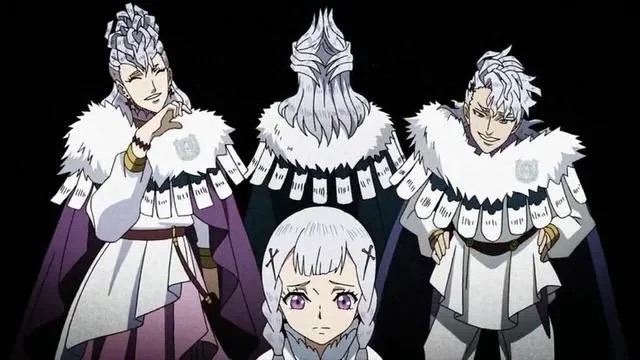
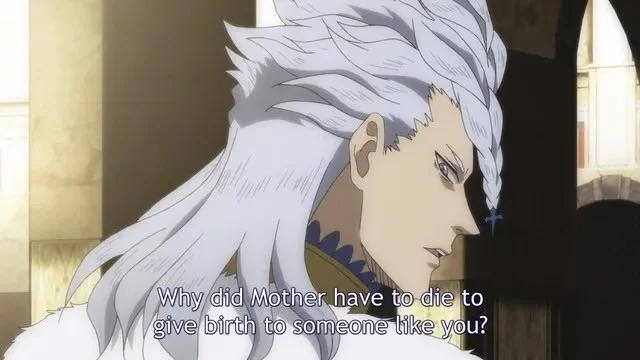
Likewise, Noelle’s storyline includes significant emotional weight related to family rejection and feelings of inadequacy. She is treated as an outcast by her noble family and struggles with being unwanted and undesired, which plays a major role in her character development.
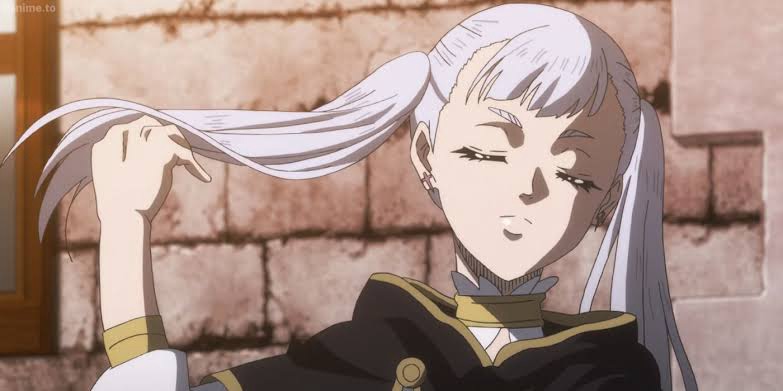
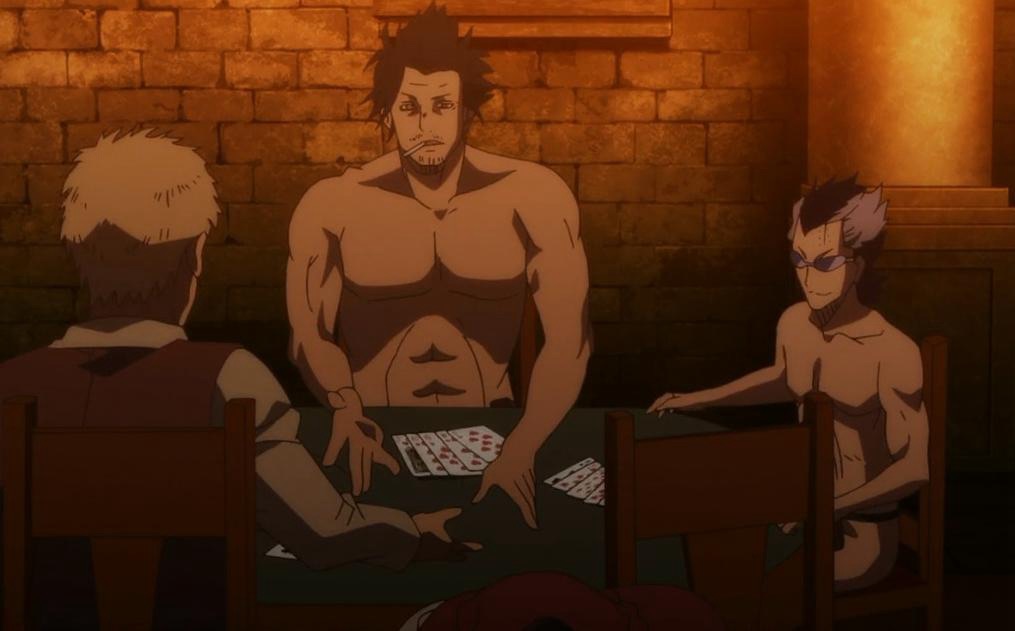
The series also includes some additional mature background elements that parents may want to be aware of. Certain characters are shown gambling, drinking alcohol, and engaging in reckless or irresponsible behavior at times. These moments are not the focus of the story and are generally played for humor.
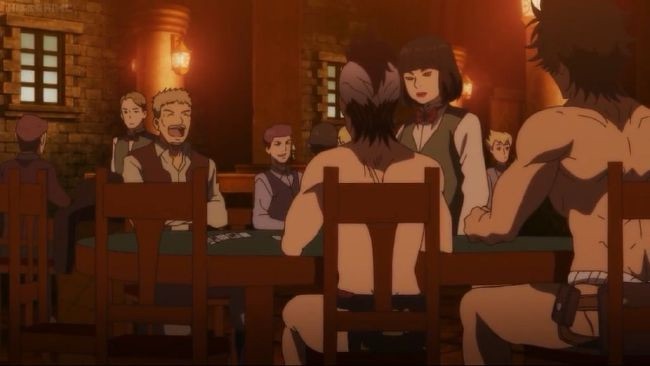
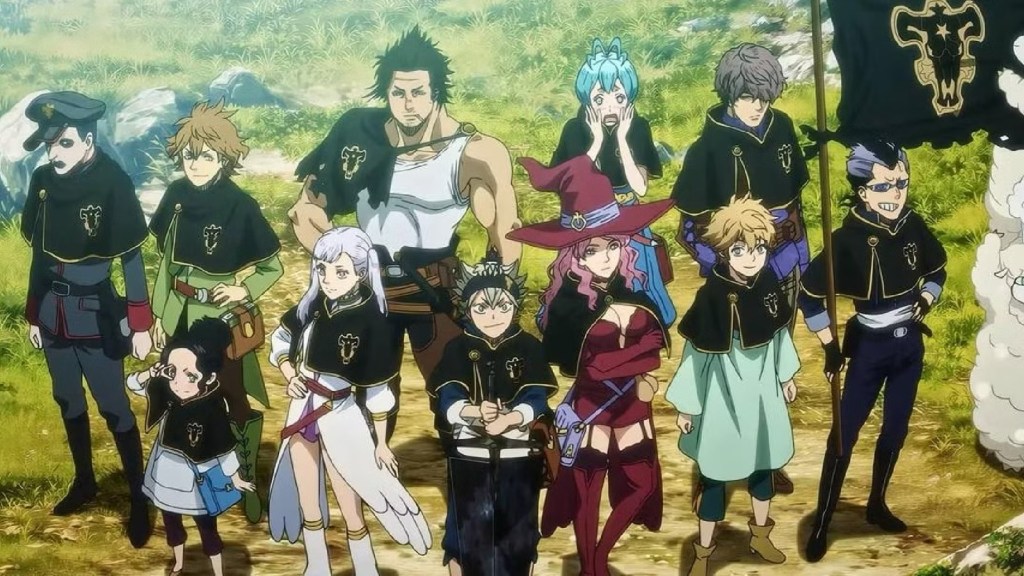
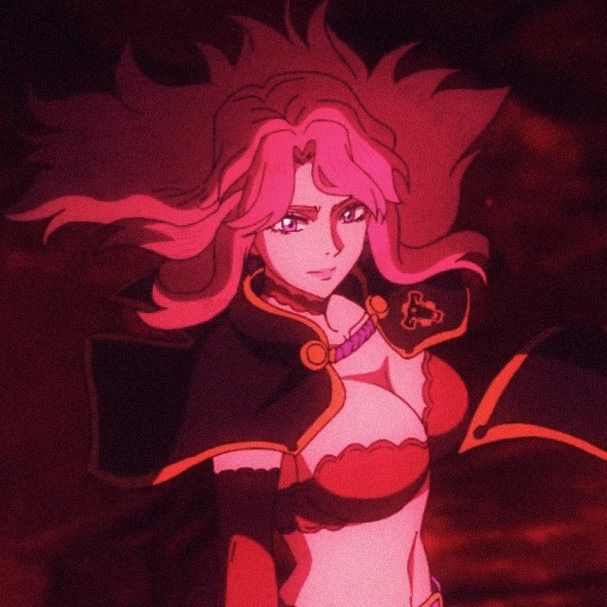
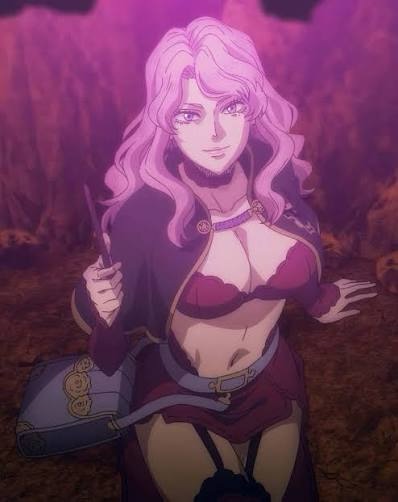
An example of this is Vanessa, a member of the Black Bulls. She is frequently shown drinking alcohol and is often portrayed in revealing clothing. This is mostly presented in a casual or comedic way rather than treated seriously, but it does appear consistently throughout the series.
The series also contains:
- Occasional suggestive humor or commentary
- Characters with revealing outfits (or, sometimes, naked altogether)
- Themes of abandonment, grief, self-worth, and social rejection
Nothing is usually pushed too far, and much of it is properly censored. However, with over 170 episodes, it would be impossible to cover every single moment that appears throughout the series. Parents should simply be aware of the overall tone common in this style of shounen anime: very little explicit content overall, mixed with a lot of chaotic humor and occasional suggestive comedy.
Alternative Lifestyle Themes
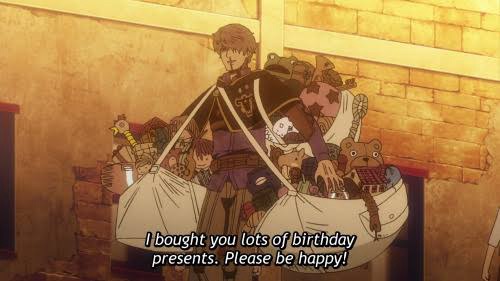
While there are no major alternative lifestyle themes central to the story, one character trait some viewers may want to be aware of is Gauche’s extreme attachment to and obsession with his younger sister. The anime even uses the exaggerated “nosebleed” trope, which is commonly used to imply overwhelming attraction or emotional excitement.
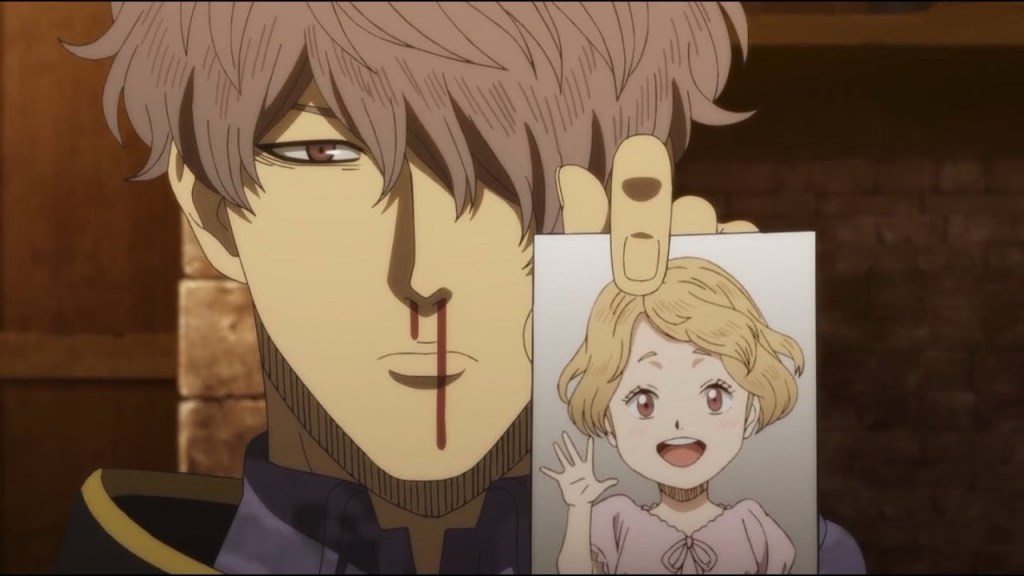
This is played (or rather, supposedly played) for comedic effect throughout the series, but depending on the viewer, it may come across as uncomfortable and/or inappropriate at times.
- Personally, I found these moments both uncomfortable and inappropriate, though the scenes themselves are typically brief enough that I chose to overlook them.
Level of Magical Elements
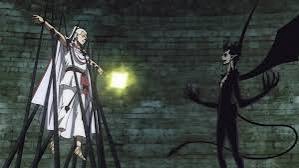
Magic is the foundation of this world. Nearly every character uses magic through grimoires, and battles revolve heavily around magical abilities, spells, and supernatural powers.
Viewers will see:
- Elemental magic
- Curse magic
- Demon-related powers and demonic beings
- Magical creatures and transformations
- Other fantasy races and species, including elves and spirits
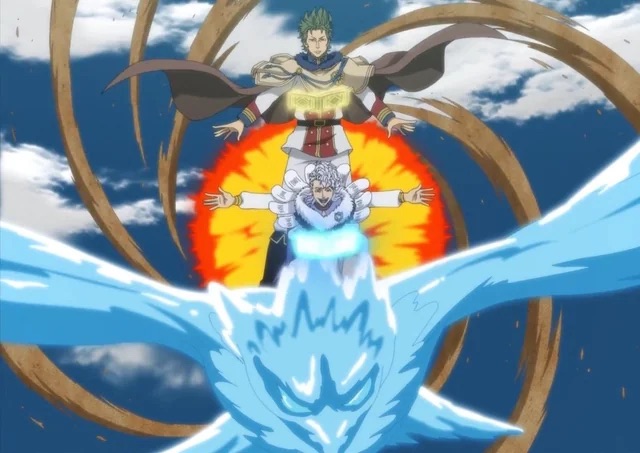
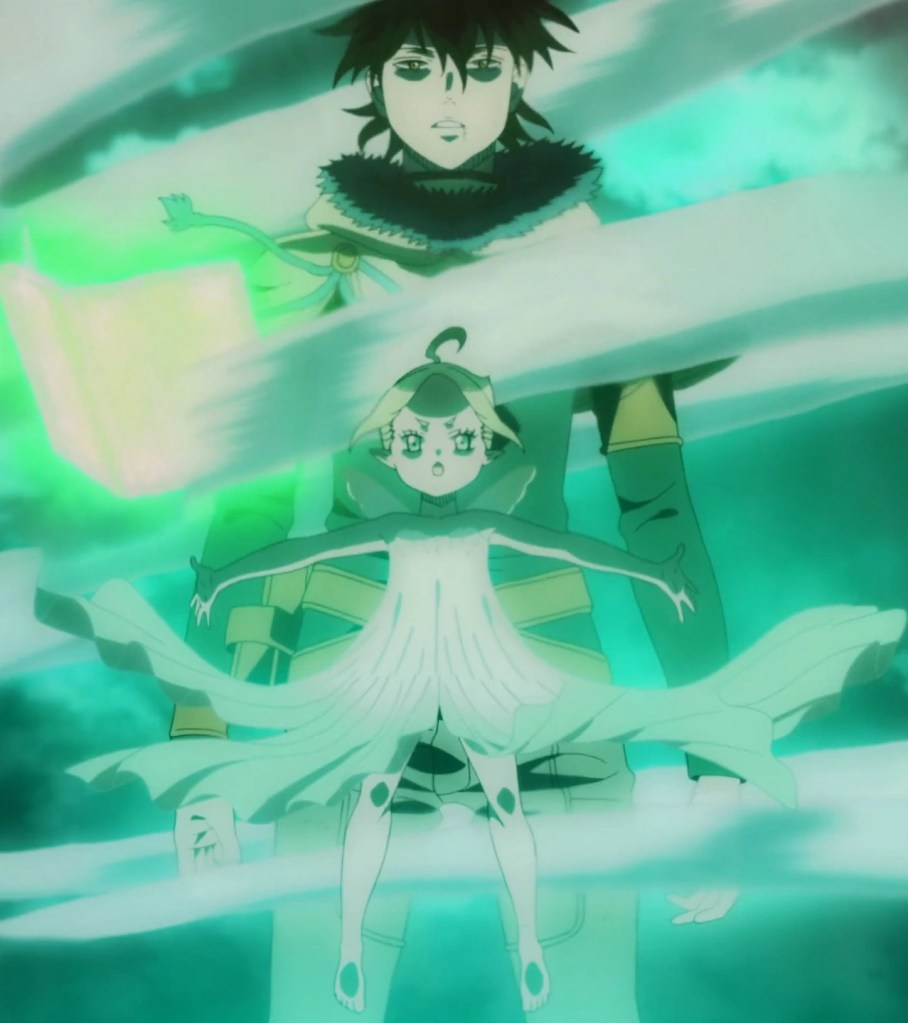
Some magical abilities can appear dark, destructive, or overwhelming in nature, especially during later arcs involving demons and forbidden magic. However, the series presents these elements within a clear fantasy setting centered around battles between good and evil.
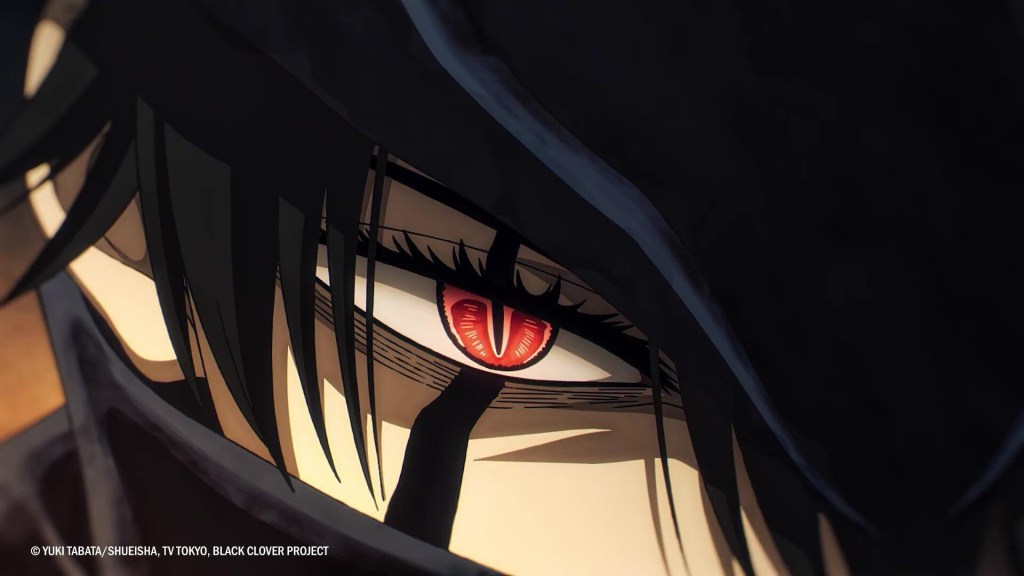
The worldbuilding in Black Clover leans heavily into fantasy and supernatural combat throughout nearly every arc.
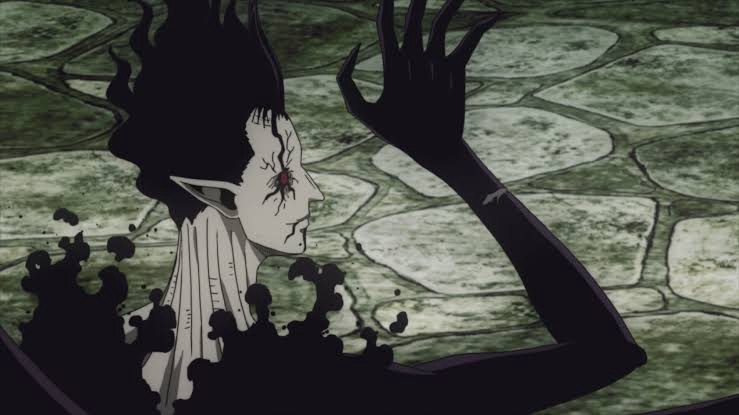
Viewers encounter a wide range of fantasy beings—elves, spirits, and creatures sometimes translated as “demons.” As with many anime series, these are not theological representations but fantasy antagonists within the story’s universe.
To read more about the difference between demons in anime and demons in Christianity, please review my post, What Do I Need to Know about Anime?
Level of Romance
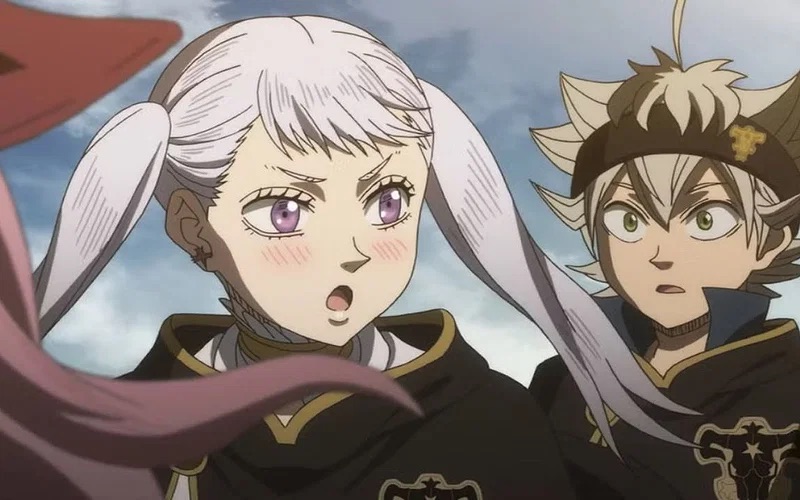
Romance is present mostly in comedic or light background ways rather than as a major focus. Several characters have obvious crushes, including Noelle’s growing feelings for Asta, but the story remains centered on friendship, rivalry, perseverance, and becoming stronger.
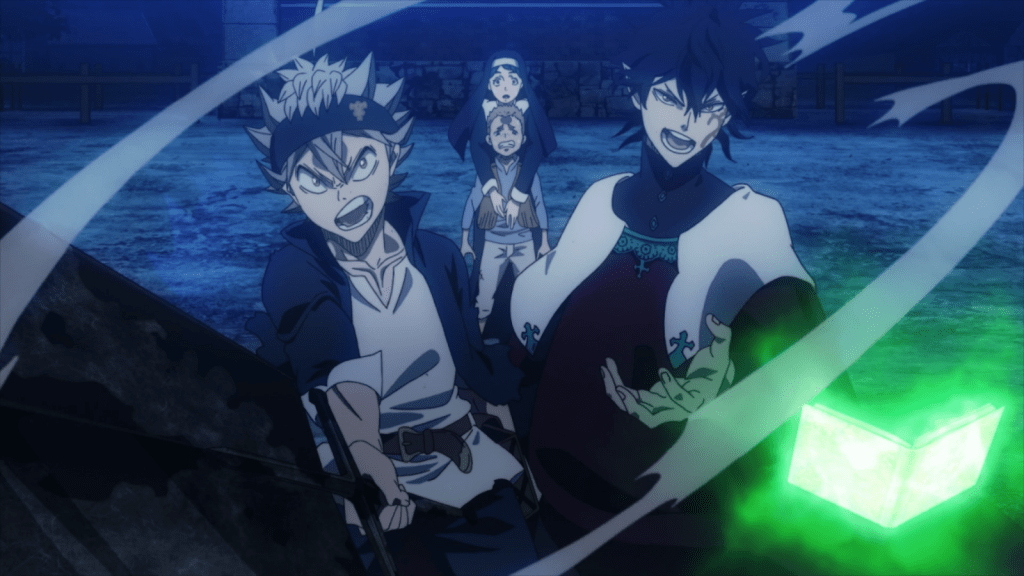
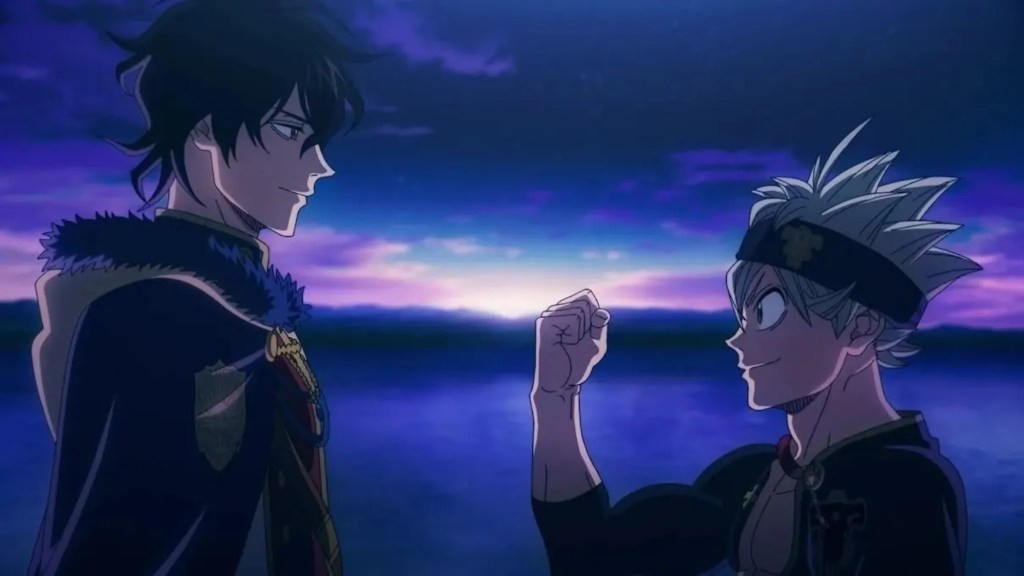
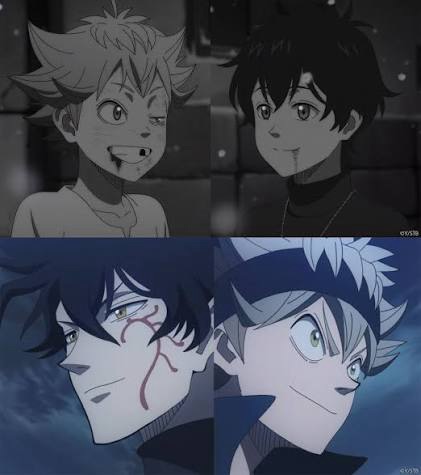
One of the best dynamics in the series is honestly the rivalry between Asta and Yuno. Despite being complete opposites personality-wise, they deeply respect and encourage each other. Their rivalry never becomes hateful—it pushes both of them forward.
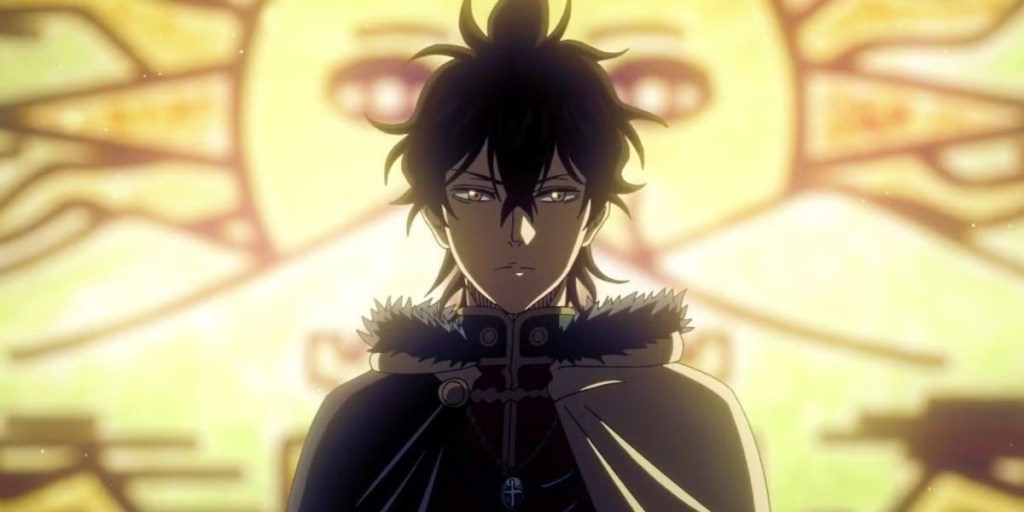
And on a personal note? Yuno reminded me just a little bit of my husband. Quiet, reserved, incredibly intelligent… the type who doesn’t always say much, but when he does, it matters. That calm confidence underneath all the chaos made Yuno especially endearing to me.
Section 4: Special Notes for Parents & Guardians
At its core, Black Clover is about perseverance. It’s about continuing to move forward even when people tell you that you’re worthless, incapable, or destined to fail.
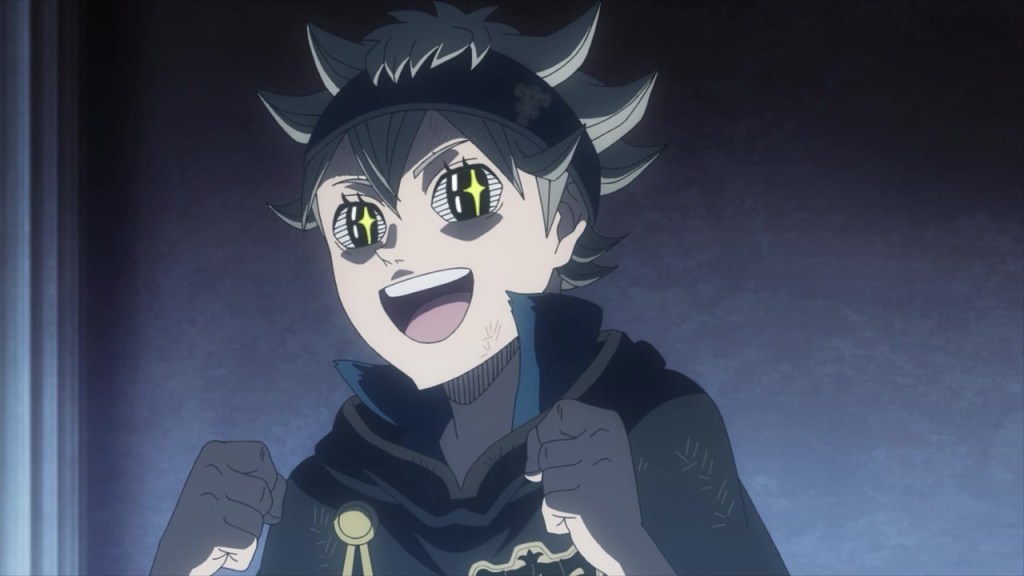
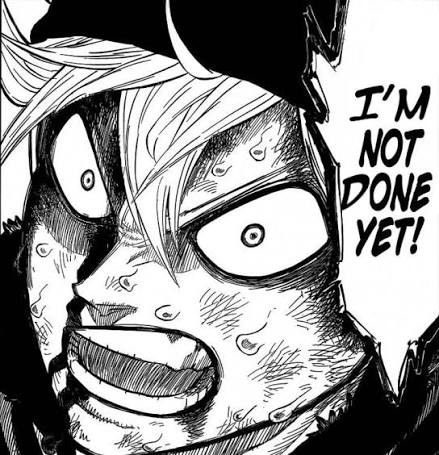
Asta is loud, reckless, and determined almost to a fault—but underneath all of that is someone desperately trying to prove that where you come from does not determine your value. Asta’s famous words, “I’m not done yet!” are forever echoed throughout the series and show that perseverance goes a long, long way.
The relationship between Asta and Yuno is one of the strongest parts of the series. Instead of constantly tearing each other down, their rivalry becomes a source of motivation and growth. In a media landscape where rivalries are often toxic or bitter, this one feels genuinely uplifting.
- That said, their dynamic is also a bit idealized. While it’s beautiful to watch two people encourage one another while chasing the same goal, real-life rivalries and friendships are often much messier. Feelings of jealousy, insecurity, competition, and comparison are normal parts of human relationships—especially among teens. Black Clover presents a healthier, more hopeful version of rivalry than what many people experience in real life.
Noelle’s character arc is also one of the more emotionally grounded parts of the series. She begins as someone deeply insecure due to rejection from her family (they may have their reasons, but they are just plain cruel to her) and often masks that pain by acting prideful, defensive, or overly confident. As the series progresses, she experiences genuine growth—but not overnight. She still has moments where she comes across as cocky or self-focused, especially under pressure. That gradual growth actually feels very realistic and may resonate with viewers who are learning that maturity and healing often happen slowly.
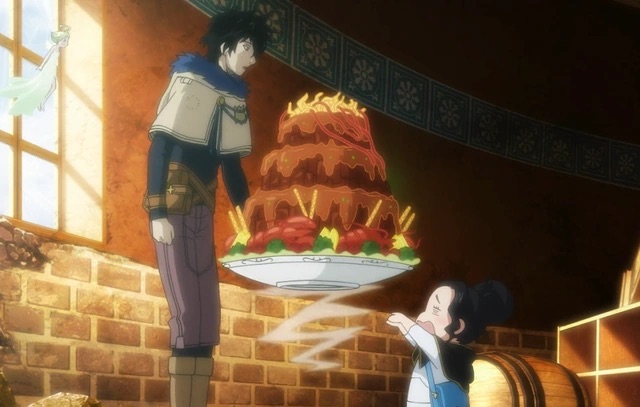
One lighter but notable character trait is Charmy’s love of food. She is frequently shown eating large amounts and is often used for comedic relief in food-related scenes. It’s important to note that this is not connected to an eating disorder or unhealthy messaging—it is simply part of her comedic character design.
Families should still be aware that the series contains frequent combat, fantasy violence, fan-service-style character designs, and emotionally heavy moments. But beneath all the action is a story rooted in resilience, loyalty, hard work, friendship, and refusing to give up on yourself—or the people you care about.
Final Thoughts
Black Clover may not seem subtle at first glance—especially with Asta yelling every five minutes early on—but underneath the chaos is a genuinely encouraging story about perseverance and identity.
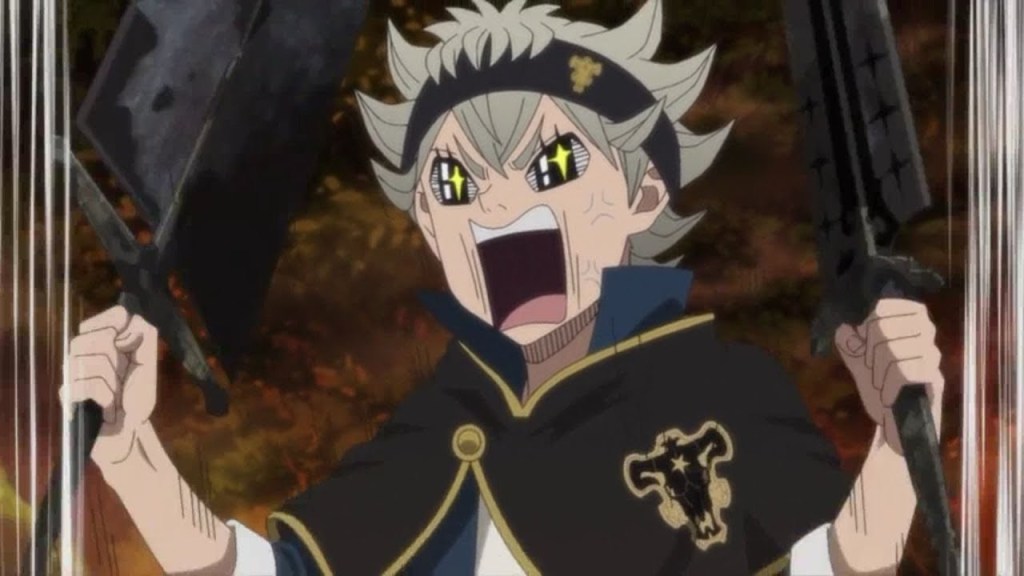
It understands what it feels like to be overlooked. To feel untalented. To feel like everyone else was given something you weren’t. And yet, it constantly pushes the idea that effort, loyalty, and determination still matter.
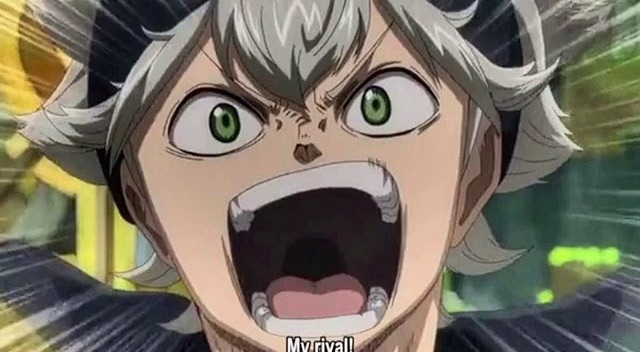
For viewers who have ever struggled with feeling “less than,” Asta’s journey can hit harder than expected. And for those who appreciate quieter strength, Yuno balances the story beautifully.
This isn’t a perfect anime, but it’s one with a lot of heart. And honestly? That heart is what makes people stay.
Thank you for reading this review. I look forward to seeing you in our next one. 💛
At The Anime Momma Blog, my goal is simple: Helping parents understand the anime their kids love by guiding families to watch with wisdom and discernment, and grow through meaningful conversation.
Check us out on social media ✨🩵


Leave a comment