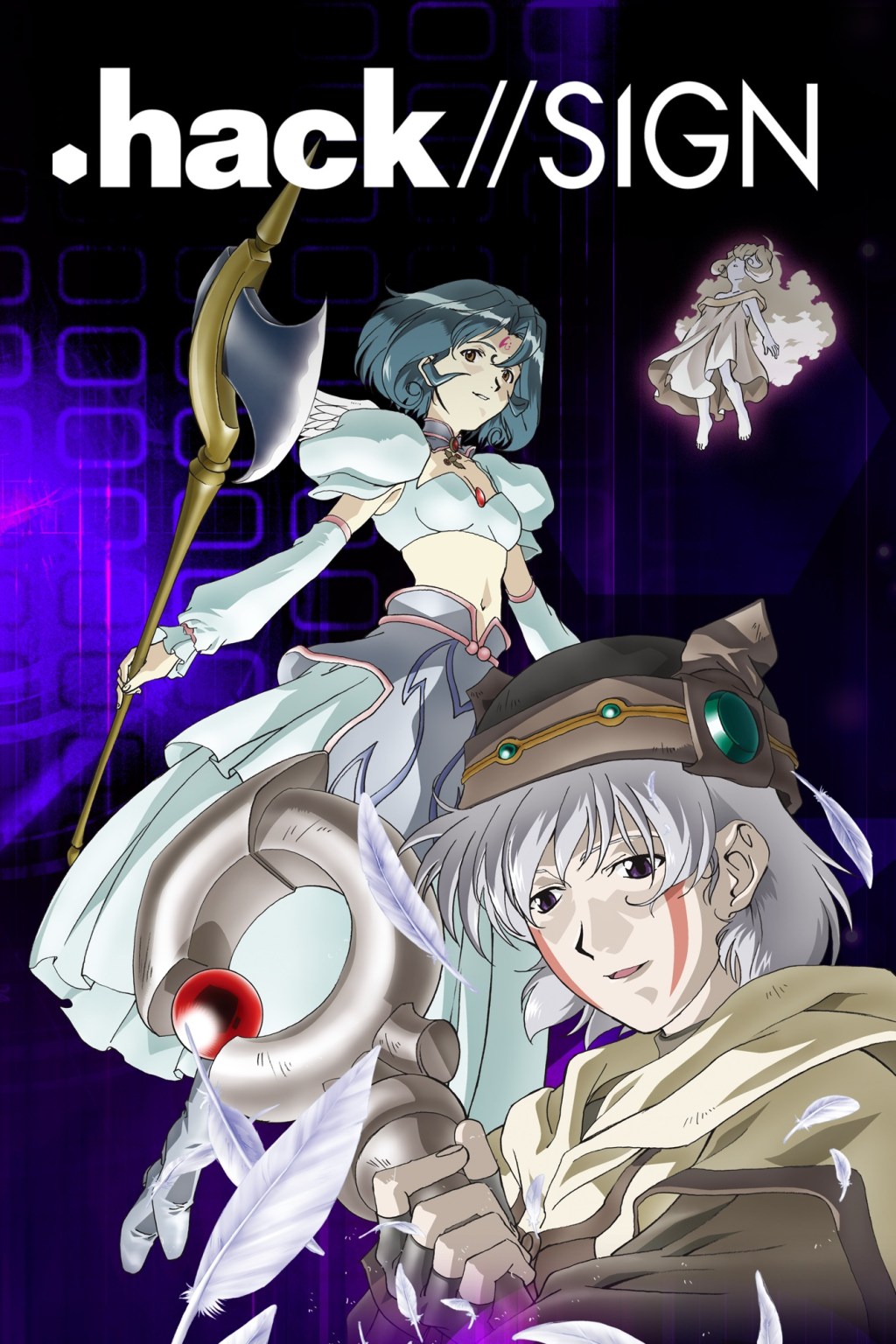
TL;DR: A quiet, atmospheric anime about loneliness, escapism, and identity set inside a fantasy MMORPG. .hack//SIGN focuses far more on emotional isolation and psychological mystery than action, making it a slow but thoughtful series that may resonate deeply with viewers who relate to themes of withdrawal, belonging, or online escape.
Section 1: .Hack//SIGN (S1; 26 Episodes) — At a Glance
Anime Summary | Taken directly from MyAnimeList
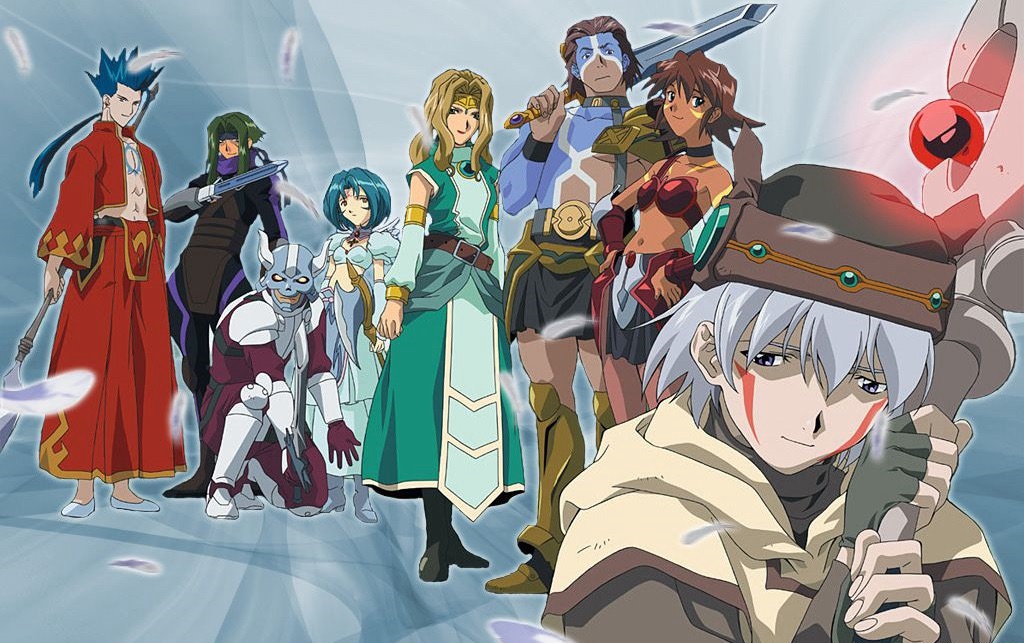
A young wavemaster, only known by the alias of Tsukasa, wakes up in an MMORPG called The World, with slight amnesia. He does not know what he has previously done before he woke up. In The World, the Crimson Knights suspects him of being a hacker, as he was seen accompanying a tweaked character in the form of a cat. Unable to log out from the game, he wanders around looking for answers, avoiding the knights and other players he meets along the way.
As Tsukasa explores The World, he stumbles upon a magical item that takes the form of a “guardian,” which promises him protection from all harm. Subaru, the leader of the Crimson Knights, along with several other players who became acquainted with Tsukasa, set out to investigate why Tsukasa is unable to log out, and attempt to get to the bottom of the problem before it gets out of hand.
Genres & Themes
Adventure, Fantasy, Isekai (Reincarnation), Mystery, Video Game
MyAnimeList Rating
PG-13+ | Teens 13 and Older
The Anime Momma Rating
PG-16+| Teens 16 and Older
Section 2: Star Levels
Each category below is rated on a five-star scale:
⭐ = very little present | ⭐⭐⭐⭐⭐ = a lot present
- Action/Violence Level: ⭐⭐☆☆☆ (2/5)
- Addiction Level: ⭐️☆☆☆☆ (1/5)
- Blood/Gore Level: ⭐☆☆☆☆ (1/5)
- Inappropriate, Heavy, or Mature Themes or Conduct: ⭐⭐⭐⭐☆ (4/5)
- Alternative Lifestyle Themes: ⭐☆☆☆☆ (1/5)
- Level of Magical Elements: ⭐⭐️⭐️⭐️⭐ (5/5)
- Level of Romance: ⭐️⭐️☆☆☆ (2/5)
Section 3: Star Levels — Explained
Action/Violence Level
.hack//SIGN is a very low-action anime compared to most fantasy or MMORPG-inspired series. While there are occasional monster encounters, magical attacks, and moments of danger within the game world, the series is much more focused on mystery, psychology, and emotional isolation than combat.
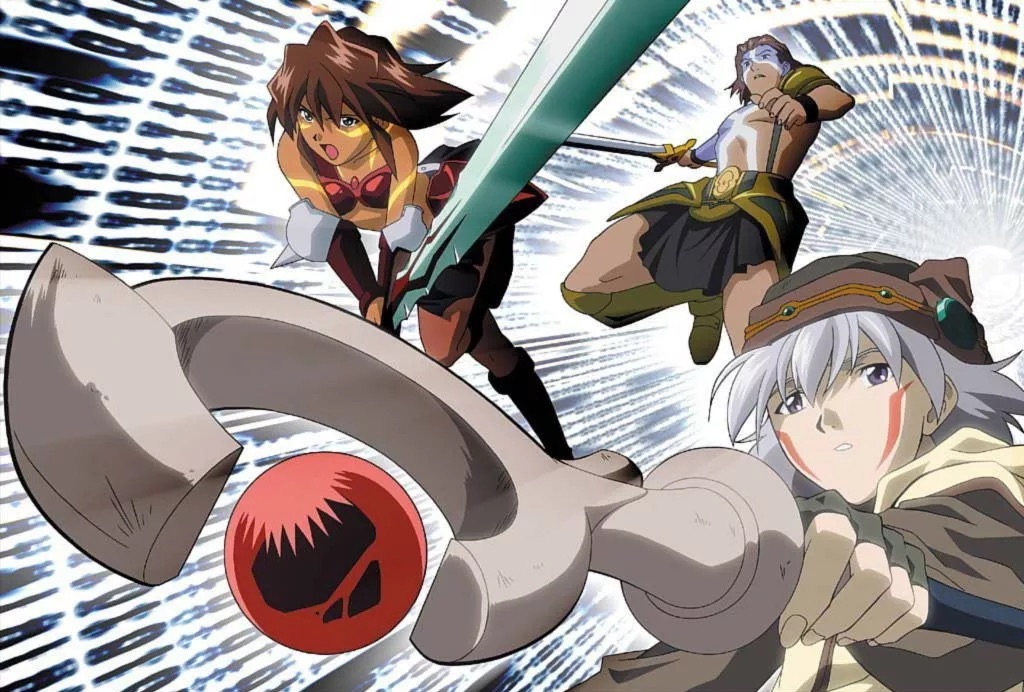
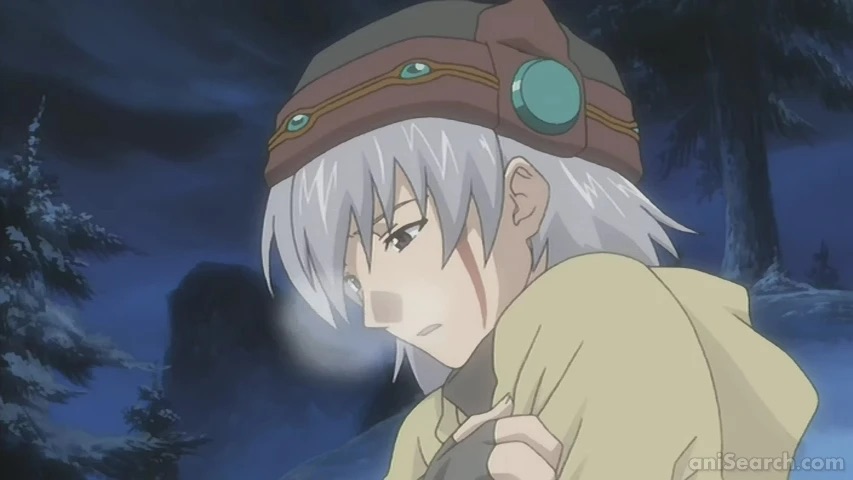
Most tension comes from uncertainty, fear, emotional conflict, and the strange events surrounding Tsukasa rather than physical violence. Viewers expecting a fast-paced adventure anime may actually be surprised by how quiet and introspective this series is.
Addiction Level
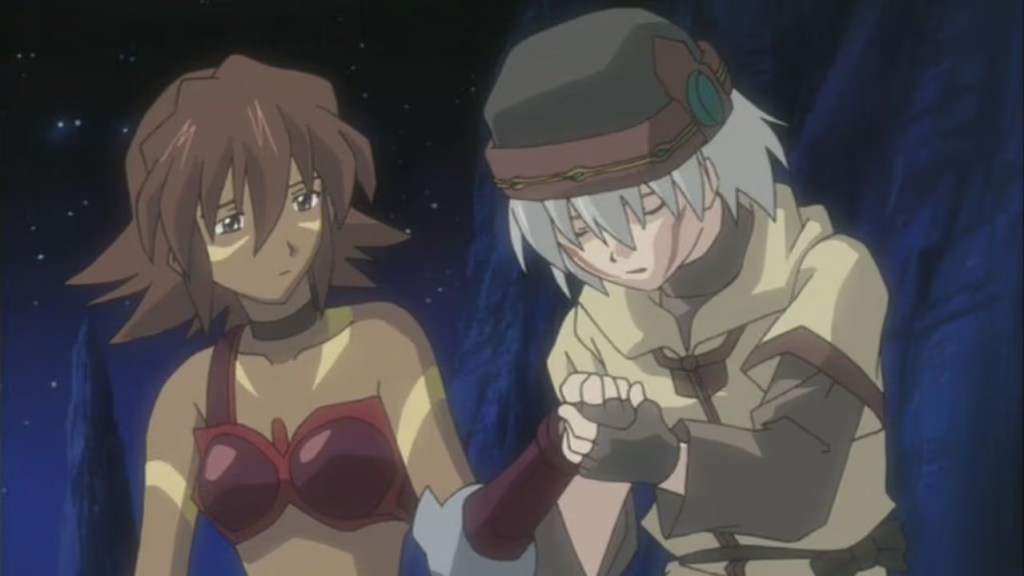
This anime is much more of a slow-burn mystery than a binge-heavy action series. Some viewers may become deeply invested in unraveling the secrets of “The World” and understanding Tsukasa’s situation, while others may find the pacing very slow.
The atmosphere is honestly one of the biggest hooks here. The music, quiet conversations, emotional tension, and lingering questions create a very immersive feeling that tends to either deeply pull viewers in—or not connect with them at all.
Blood/Gore Level
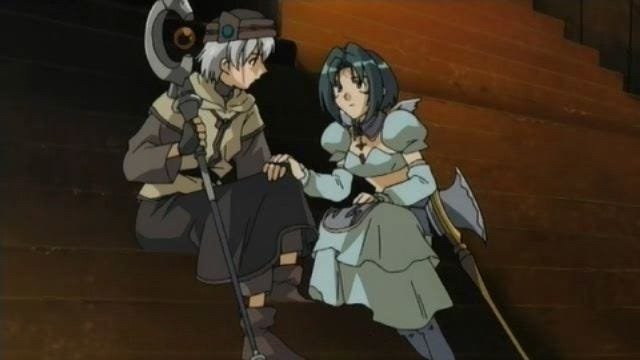
There is very little blood or gore in .hack//SIGN. Violence is infrequent and generally non-graphic due to the story taking place largely within a virtual MMORPG setting.
Most danger is psychological or emotional rather than physically graphic.
Inappropriate, Heavy, or Mature Themes or Conduct
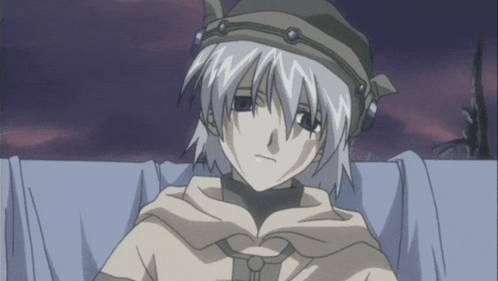
This series deals heavily with themes of loneliness, escapism, emotional trauma, identity, and isolation. Tsukasa spends much of the anime withdrawn from others, fearful of connection, and emotionally fragile.
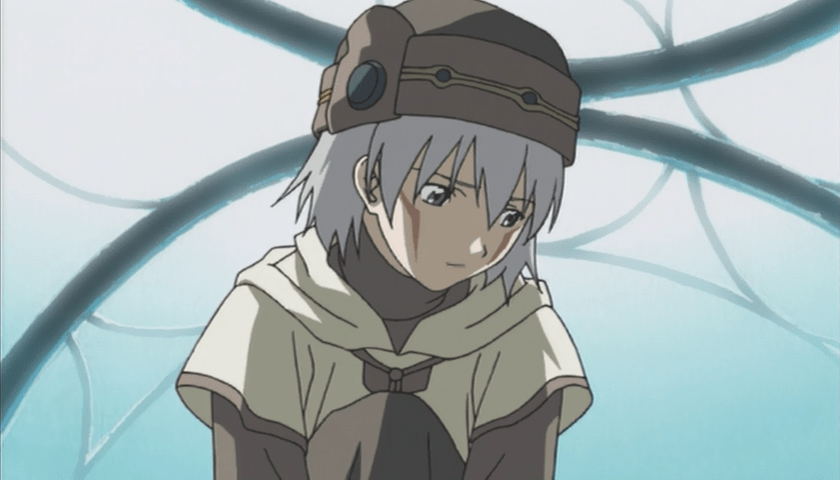
A major underlying theme throughout the series is the temptation to retreat from reality into virtual worlds. Several characters use “The World” as a form of escape from pain, stress, loneliness, or dissatisfaction in real life. While the anime does not fully glorify this, it does spend a great deal of time exploring why people emotionally attach themselves to online spaces.
The series also includes:
- Emotional manipulation
- Fear and paranoia
- Mentions of abusive environments
- Characters struggling with identity and belonging
- Social withdrawal and avoidance
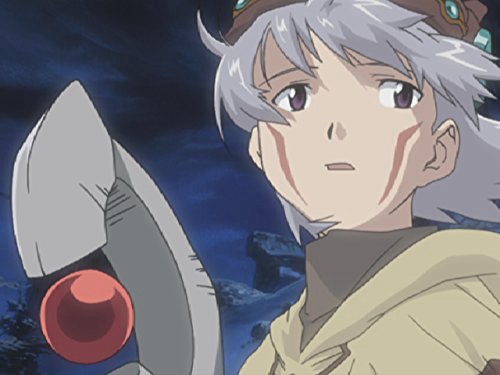
The anime also contains a few disturbing implications that are never described in graphic detail but may still feel emotionally heavy or uncomfortable for viewers.
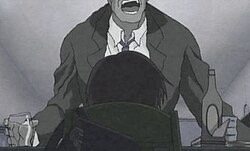
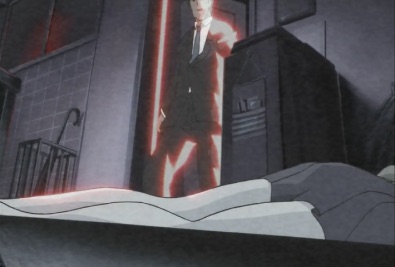
For example, elements from Tsukasa’s real life briefly appear while connected to the game world, including the appearance of a man yelling and hitting Tsukasa, along with a bra falling to the ground. Combined with later implications about Tsukasa’s home life and fearful behavior, it can be interpreted as sexual abuse by a father figure or another adult man in Tsukasa’s life. The anime intentionally leaves much of this vague, but the implications can feel unsettling.
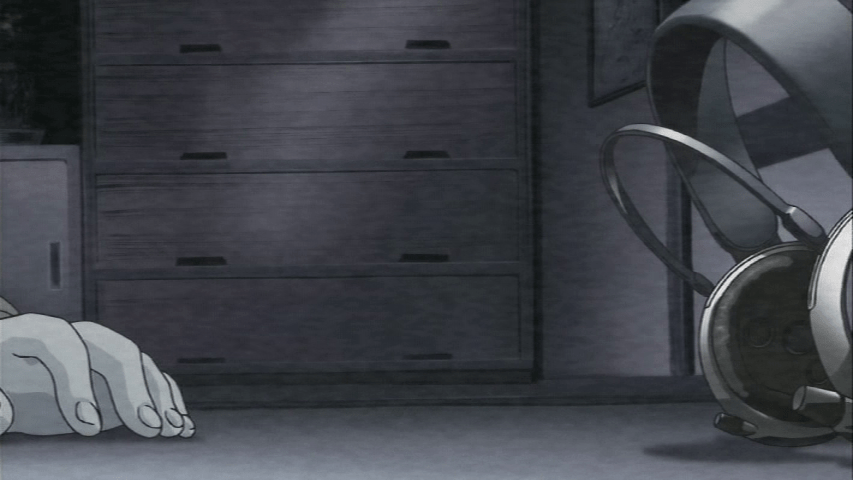
There is also a scene in which Subaru is cornered and attacked by a player within “The World.” While nothing explicit is shown, the scene carries threatening and vengeful undertones.
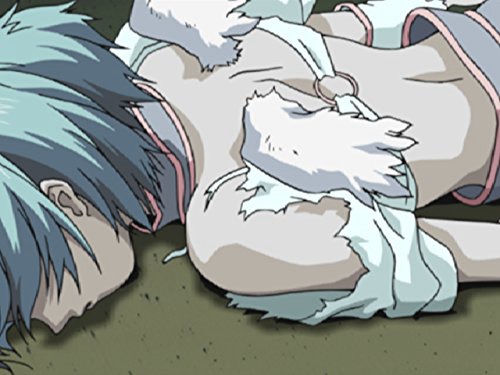
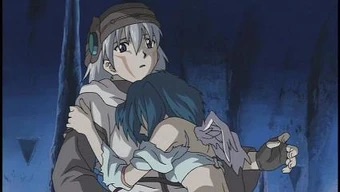
These moments are brief and handled more through implication and atmosphere than graphic depiction, but they contribute to the heavier psychological tone of the series.
Alternative Lifestyle Themes
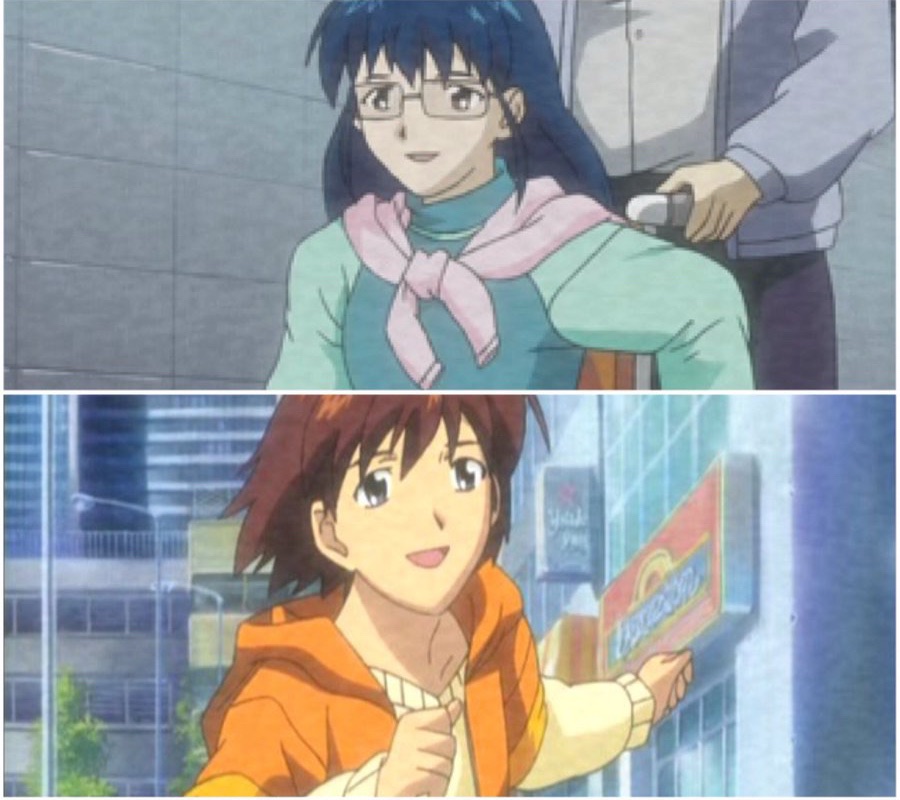
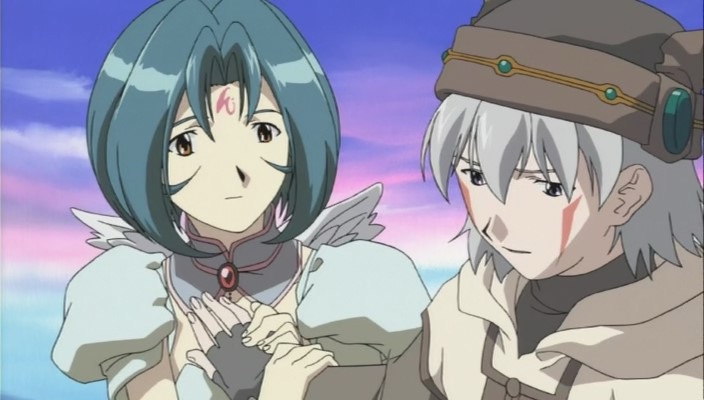
One element some viewers may interpret differently involves Tsukasa’s real-life identity. In the game world, Tsukasa presents as male, but the anime later implies that Tsukasa is actually female in real life. Because of this, some viewers may perceive the emotional bond between Tsukasa and Subaru as potentially romantic or as carrying homosexual undertones.
However, the series remains extremely subtle about relationships overall, and when Tsukasa and Subaru finally meet in real life, the anime ends shortly afterward. Nothing explicit or clearly romantic is shown onscreen.
Level of Magical Elements
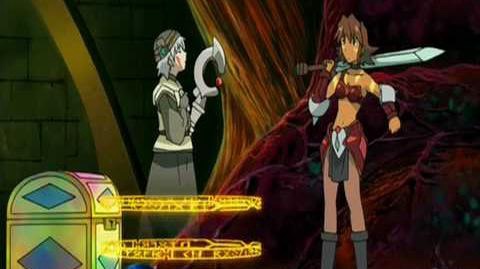
The story takes place inside a fictional fantasy MMORPG called “The World,” meaning viewers will regularly see:
- Magic spells
- Fantasy monsters
- Magical artifacts
- Supernatural events within the game
- Unexplained phenomena tied to the virtual world
However, the fantasy elements are often presented more like part of a digital environment than a traditional fantasy adventure story.
Level of Romance
Romance is very light and subtle throughout most of the series. Emotional connection, friendship, trust, and understanding are far more central than romance itself.
Section 4: Special Notes for Parents & Guardians
.hack//SIGN is less about the game itself and more about the people hiding behind the screens.
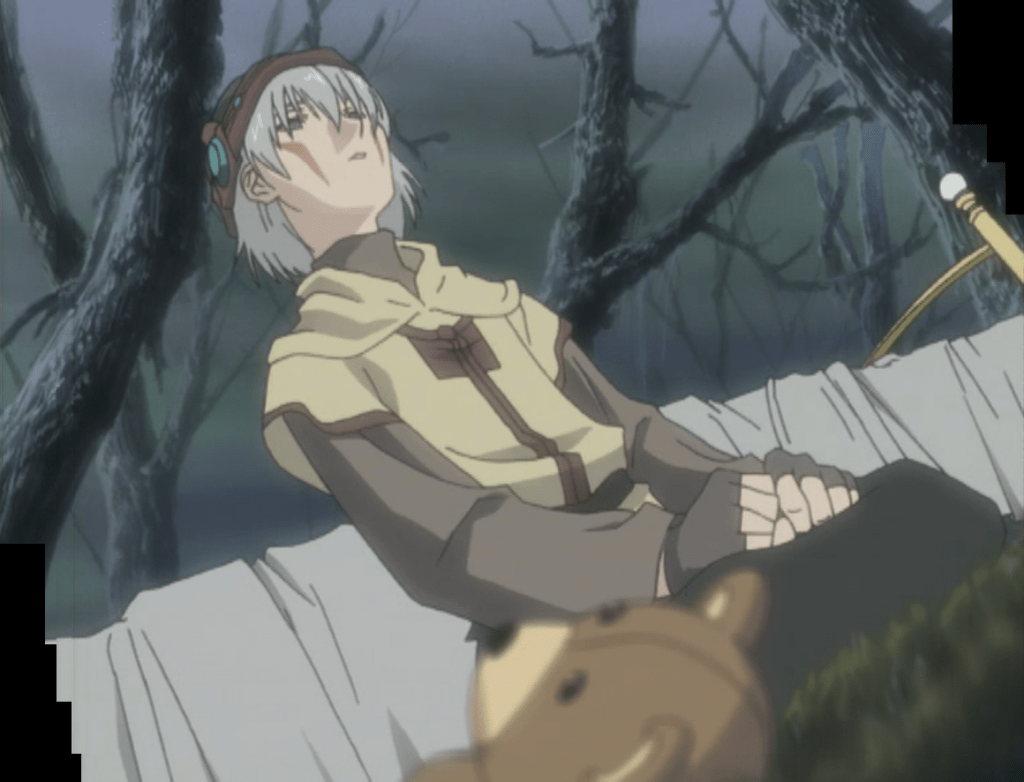
This anime explores what happens when loneliness, fear, trauma, or emotional pain push someone to retreat inward. Tsukasa’s journey is deeply tied to questions of identity, safety, belonging, and whether genuine human connection is still possible after being hurt.
For some viewers—especially teens who feel isolated, misunderstood, or emotionally withdrawn—this series may resonate very strongly. In some ways, .hack//SIGN was exploring themes of online escapism and digital identity long before those conversations became mainstream.
One thing I actually appreciate about the anime is that it doesn’t fully romanticize escapism. While “The World” can feel comforting and beautiful, the series quietly acknowledges that living entirely disconnected from reality and relationships is not healthy either.
Parents should simply know that this is a very introspective, emotionally heavy, and psychologically oppressive anime despite its calm appearance. It is far more focused on psychological atmosphere and emotional themes than action or adventure.
Final Thoughts
.hack//SIGN feels almost haunting in a way that’s hard to explain. It’s quiet. Slow. Sometimes even haunting in its stillness. But underneath that silence is a surprisingly emotional story about people trying to find connection while hiding behind screens and identities.
Long before conversations about internet addiction, online identity, or digital escapism became common, this anime was already asking difficult questions about why people retreat into virtual worlds in the first place.
This definitely won’t be for everyone—it wasn’t really for me, to be honest, even years and years ago when I first watched it—but for the right audience, it can feel deeply personal and strangely timeless.
Thank you for reading this review. I look forward to seeing you in our next one. 💛
At The Anime Momma Blog, my goal is simple: Helping parents understand the anime their kids love by guiding families to watch with wisdom and discernment, and grow through meaningful conversation.
Check us out on social media ✨🩵
 The Anime Momma Blog
Leave a comment