Why I Personally Wouldn’t Recommend These Anime
Before I start, I want to make something clear: this is not meant to shame people for what they watch.
Everyone has different convictions, sensitivities, and boundaries. Some people can watch certain shows and move on without much impact. Others can find themselves deeply affected by the themes, imagery, humor, or emotional tone of a series.
This post is simply explaining why I personally would hesitate to recommend these anime—especially to younger viewers, people trying to avoid explicit content, or those who know they are easily influenced by the media they consume.
A lot of these concerns come down to repeated patterns I’ve noticed in anime culture and online fandom spaces: normalization of sexual content, voyeuristic humor, excessive violence, desensitization, and the way certain communities can slowly push people toward more extreme content over time.
As someone who struggled with internet pitfalls for years myself, I’ve learned that the media we repeatedly consume really can shape us more than we think.
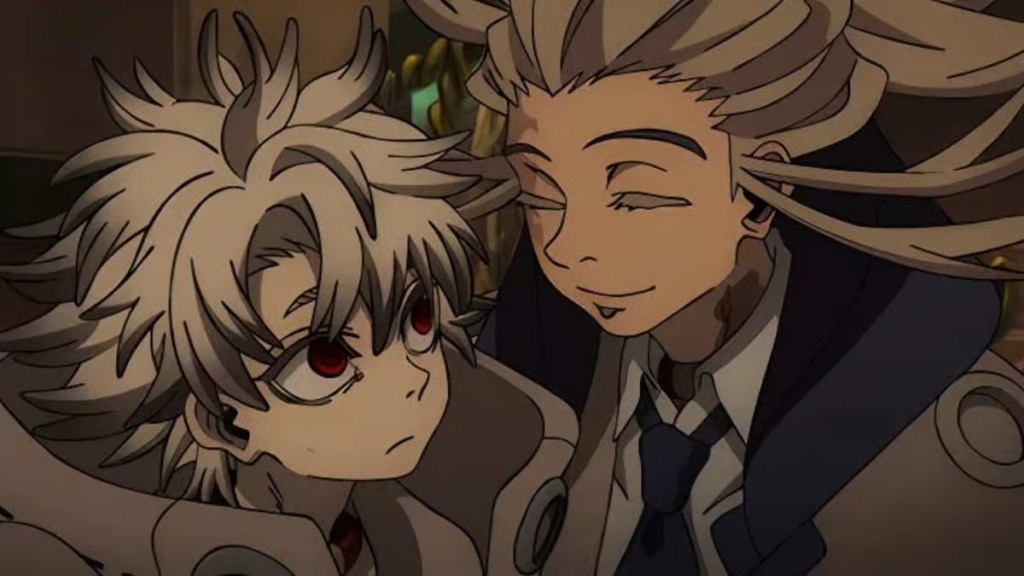
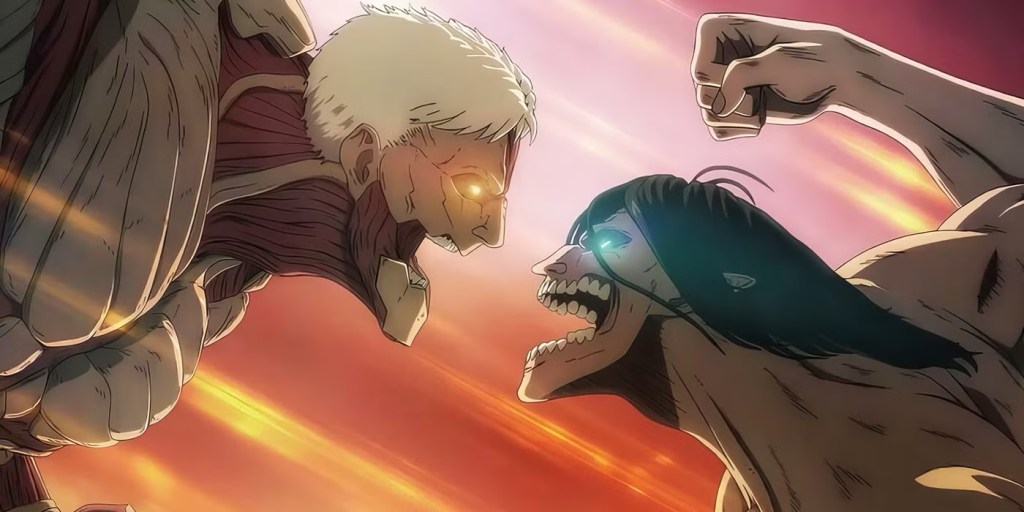
Shingeki no Kyojin / Attack on Titan
Attack on Titan is often praised for its storytelling, animation, emotional weight, and political themes. And to be fair, there are impressive elements to the show from a writing and production standpoint.
However, this is also one of the most emotionally intense and violent mainstream anime out there.
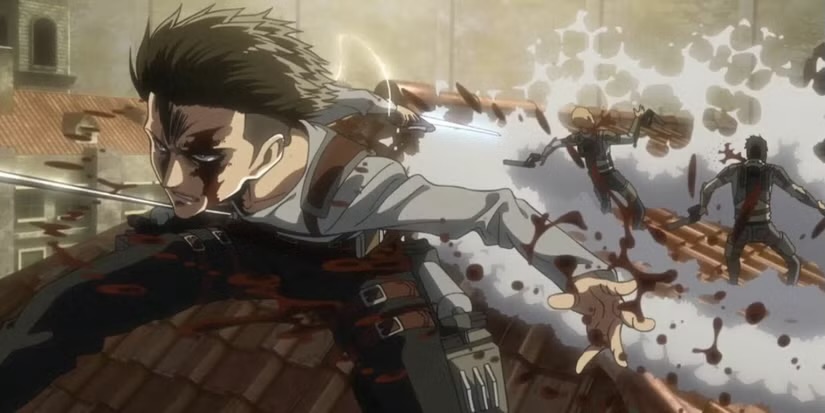
The series contains:
- frequent graphic violence
- disturbing imagery
- scenes involving people being eaten or mutilated
- heavy hopelessness and despair
- morally gray themes throughout nearly the entire story
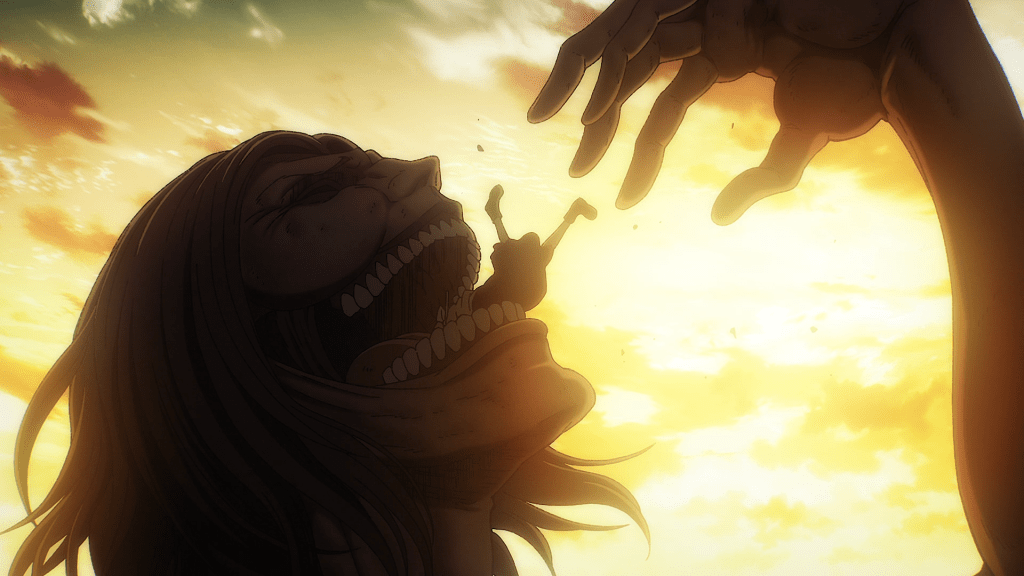
Even beyond the violence itself, the emotional atmosphere of the show is extremely heavy. Fear, rage, revenge, trauma, and hatred are central to the experience.
For some viewers, especially younger teens, that kind of constant intensity can become emotionally exhausting or desensitizing over time.
I also think there’s something important to say about how internet fandom spaces around darker media can sometimes normalize emotional numbness or constant exposure to disturbing content.
This doesn’t mean someone who watches it is a bad person. But personally, I think it’s worth asking whether a show is feeding peace, wisdom, and healthy thought patterns—or just adrenaline and emotional chaos.
Am I Actually the Strongest?
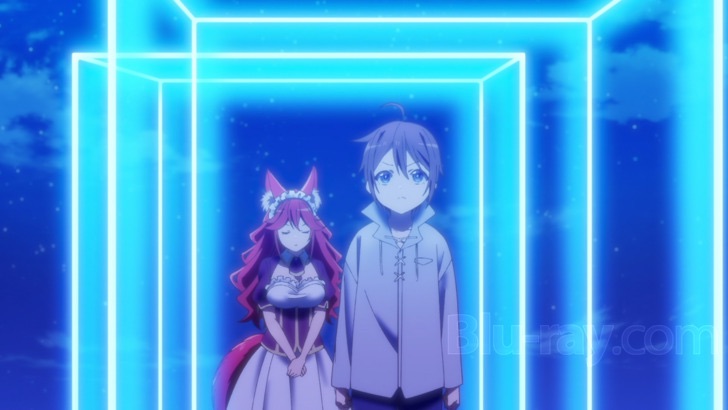
Am I Actually the Strongest? falls into the overpowered isekai category—a genre I adore in the right setting—one that often sounds harmless on the surface but frequently carries recurring issues beneath it.
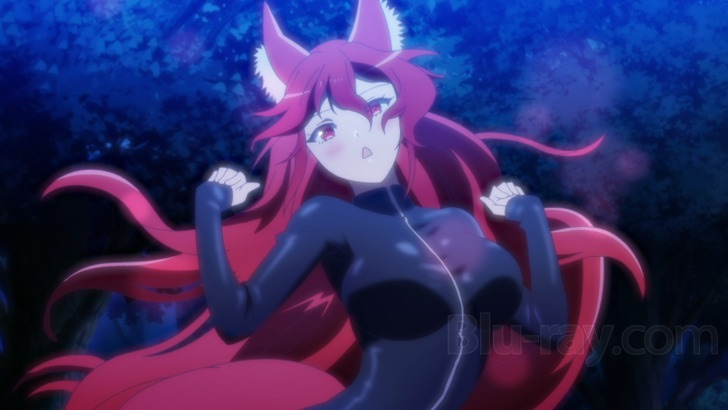
While this series may appear lighter and more comedic than some others, one of the concerns I have with many modern isekai anime is the normalization of fanservice and suggestive humor.
A lot of shows in this genre mix fantasy adventure with:
- sexualized character designs
- uncomfortable jokes
- harem-style dynamics
- scenes clearly meant for voyeuristic appeal
And the problem with repeated exposure to this kind of content is that it slowly starts to feel “normal,” especially when it’s packaged in cute humor or comedy.
Many viewers end up overlooking things they normally would not accept because the content is presented playfully.
I also think modern anime culture often pushes people to treat fanservice as “just part of anime,” when in reality, it’s okay to step back and ask whether something is actually healthy or necessary.
Dandadan
Dandadan is one of those anime that many people praise for being chaotic, funny, creative, and visually unique.
But from my perspective, it’s also a good example of how modern anime increasingly blends explicit humor into mainstream entertainment.
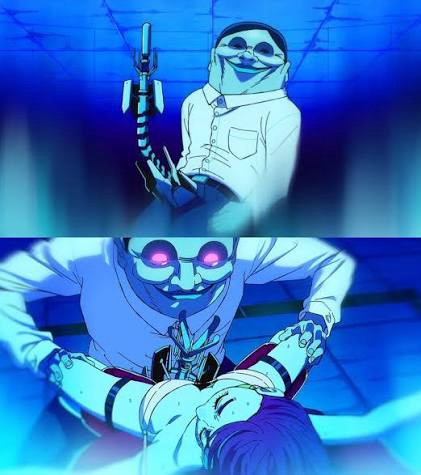
The series contains:
- strong sexual humor
- crude jokes
- suggestive situations
- inappropriate themes involving body-related humor
- occult and supernatural elements
- intense action and disturbing imagery
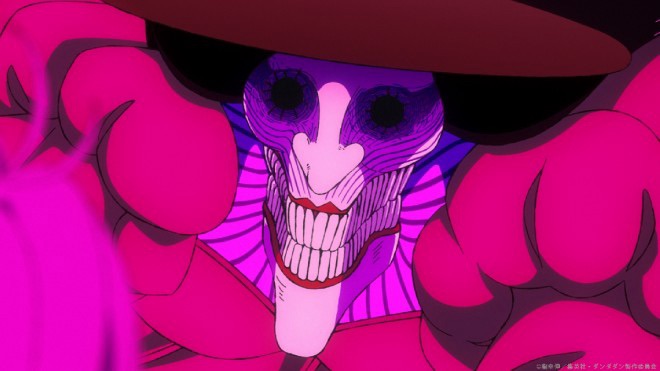
I will be the first to say that I genuinely love body humor, but what I’ve noticed with Dandadan is that this show does not keep their body humor jokes PG—they are definitely sexual and R rated, which I do not enjoy one bit.
One thing I’ve personally noticed online is that shows with constant sexual comedy often create fandom cultures where inappropriate jokes become normalized very quickly.
When humor constantly revolves around sexual awkwardness, innuendo, or objectification, it slowly changes what feels acceptable to joke about or consume.
And for people who already struggle with online temptation, those environments can become very slippery very fast.
I also think there’s a difference between a story containing mature themes for a purpose versus constantly using shock humor and sexual tension for entertainment.
Mushoku Tensei: Jobless Reincarnation
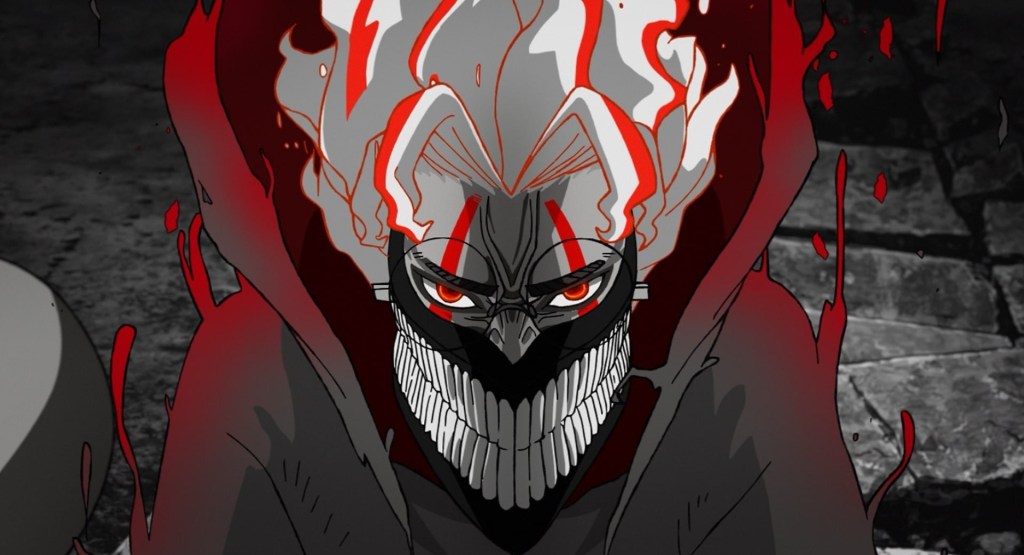
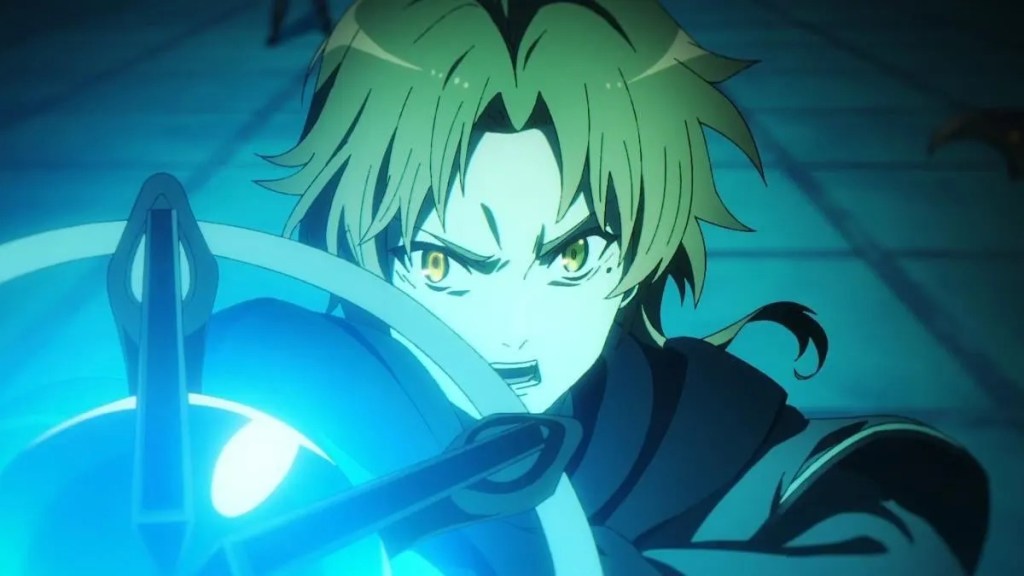
Mushoku Tensei: Jobless Reincarnation is probably one of the clearest examples of an anime I personally would not recommend.
This series is often defended because of its worldbuilding, animation quality, emotional storytelling, and themes of personal growth.
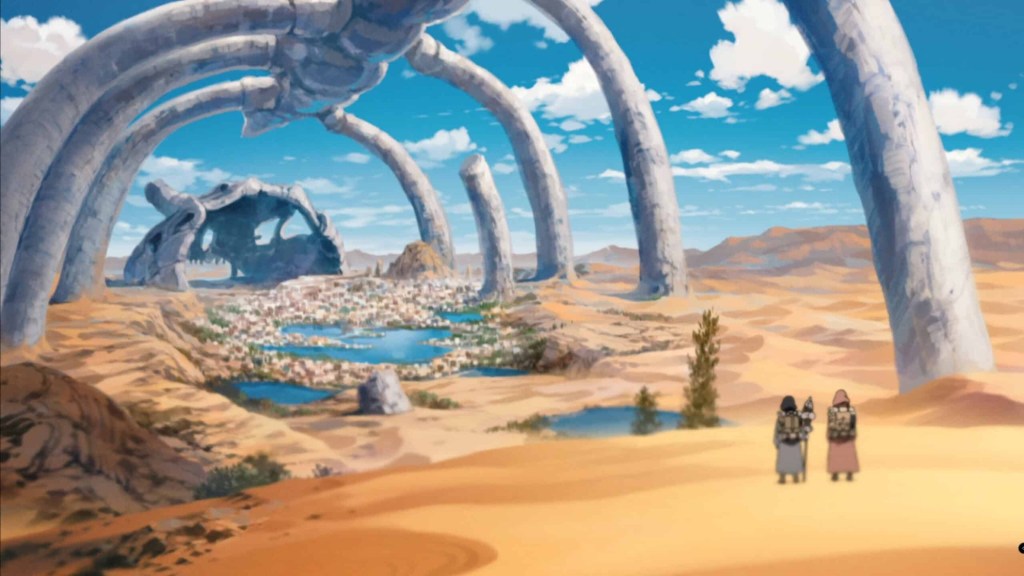
However, one of the biggest concerns people repeatedly raise about this anime is the behavior of the main character and the way sexual content is handled throughout the story.
The show contains:
- heavy sexual themes
- voyeuristic behavior played for humor
- inappropriate conduct that many viewers find deeply uncomfortable
- repeated fanservice
- morally questionable situations involving minors
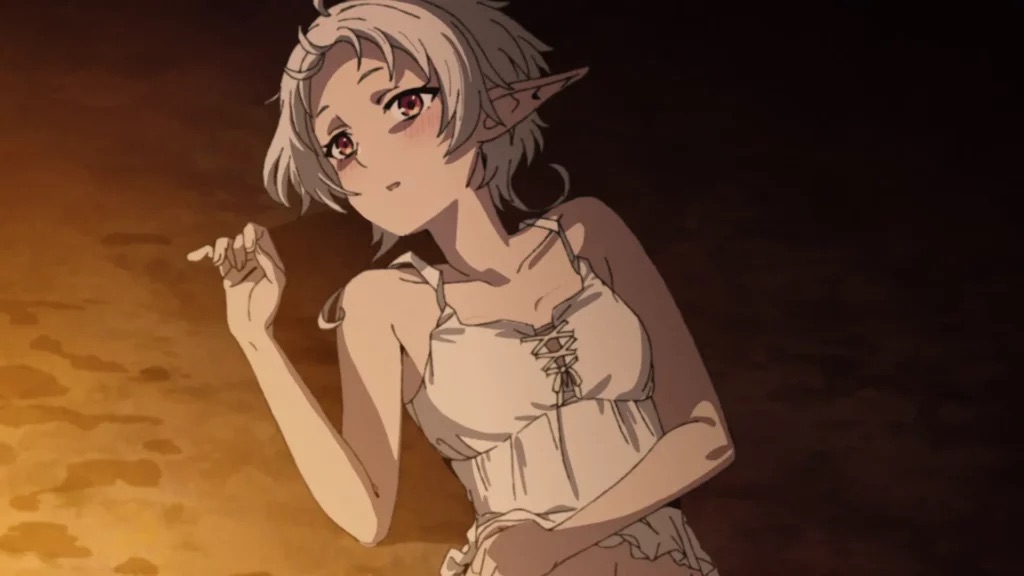
And while some viewers argue that the story is “supposed” to portray a flawed character, I think it’s important to ask whether a series meaningfully condemns harmful behavior—or simply keeps using it as entertainment.
For me personally, this is one of those anime where the artistic strengths do not outweigh the repeated content concerns.
I also think this series highlights a larger issue within anime culture: people sometimes become so attached to a show’s writing or animation quality that they stop critically examining the messages or themes they are consuming.
Clevatess
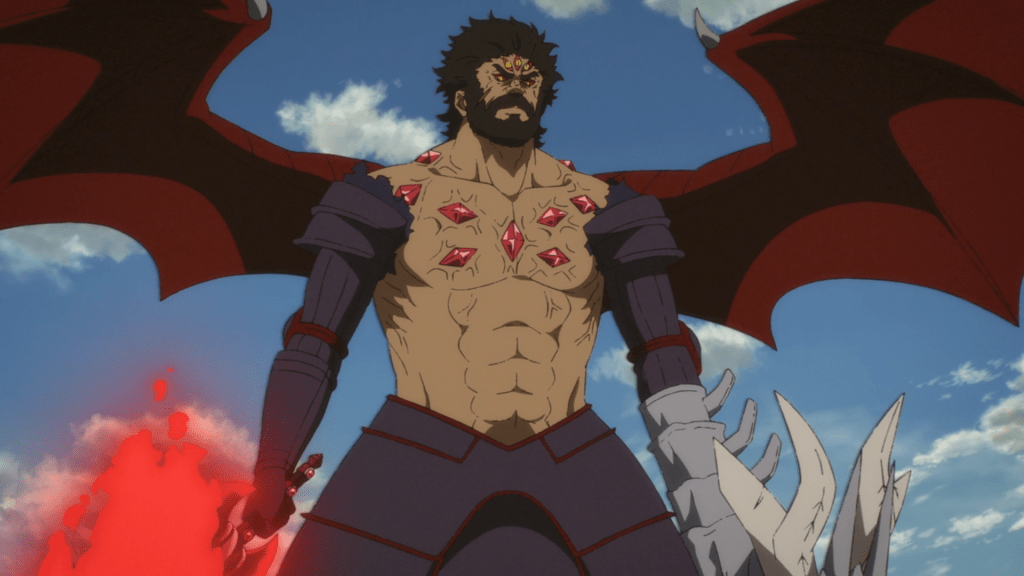
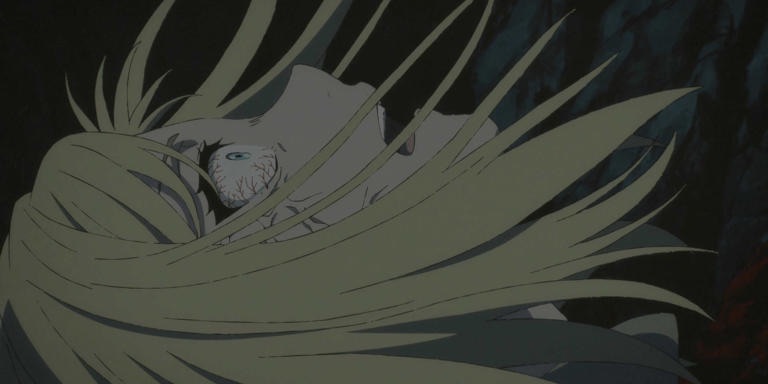
Clevatess is darker fantasy, and while not as widely discussed as some of the others on this list, it still carries concerns common to grim fantasy anime.
Dark fantasy stories often rely heavily on:
- brutality
- despair
- graphic violence
- heavily implied sexual immorality and violence
- emotional hopelessness
- morally corrupt environments
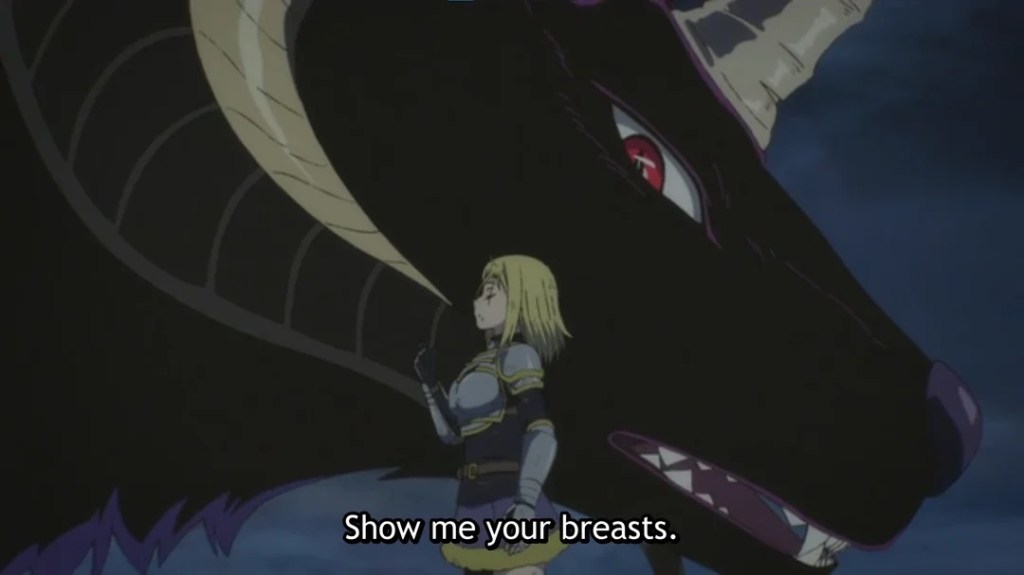
And while some people enjoy darker storytelling because it feels more “realistic” or emotionally intense, I think constant exposure to grim content can affect people more than they realize.
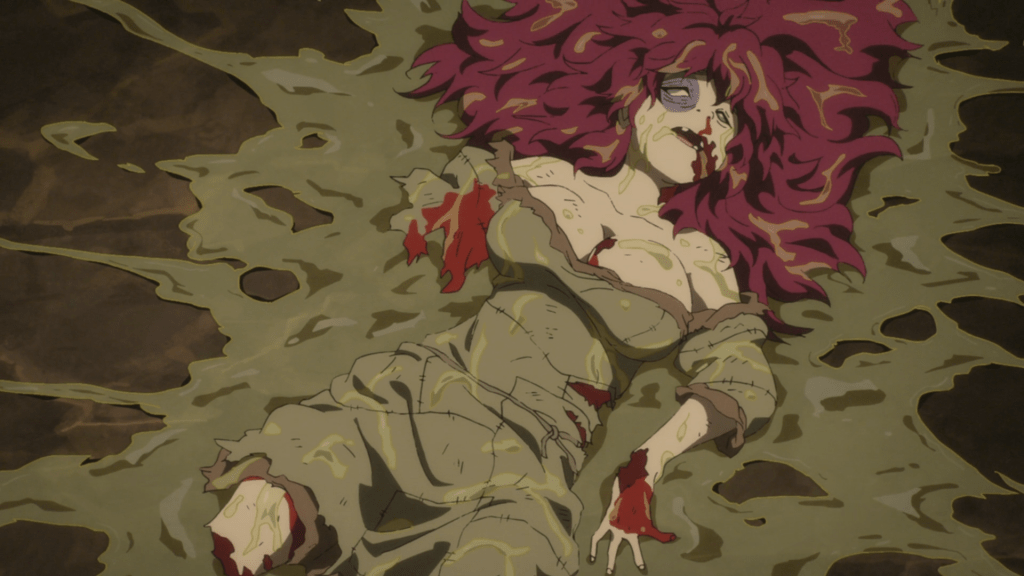
Not every story needs to be cheerful or childish—but I do think there’s wisdom in paying attention to how certain media affects your mindset, emotions, and thought life over time.
Sometimes we become so focused on whether something is “well-written” that we forget to ask whether it’s actually healthy for us personally.
Final Thoughts
One thing I’ve learned over the years is that media rarely affects us all at once.
It’s usually gradual.
A joke here. A scene there. A fandom space that slowly shifts your boundaries. A type of humor you become desensitized to. A genre that normalizes things you once found uncomfortable.
And because it happens slowly, people often don’t realize the impact until much later.
That doesn’t mean every person who watches these anime will suddenly become unhealthy or immoral.
But I do think it’s important to consume media thoughtfully instead of automatically accepting the idea that “it’s just fiction” or “it’s just anime.”
For me personally, I’ve reached a point where I care less about whether a show is popular or critically acclaimed—and more about whether it encourages healthy thinking, peace, wisdom, emotional stability, and self-control.
And I think those are questions worth asking about any media we consume.
Thank you for reading this post. I look forward to seeing you in our next one! 💜
At The Anime Momma Blog, my goal is simple: Helping parents understand the anime their kids love by guiding families to watch with wisdom and discernment, and grow through meaningful conversation.
Check us out on social media ✨
 The Anime Momma Blog
Leave a comment