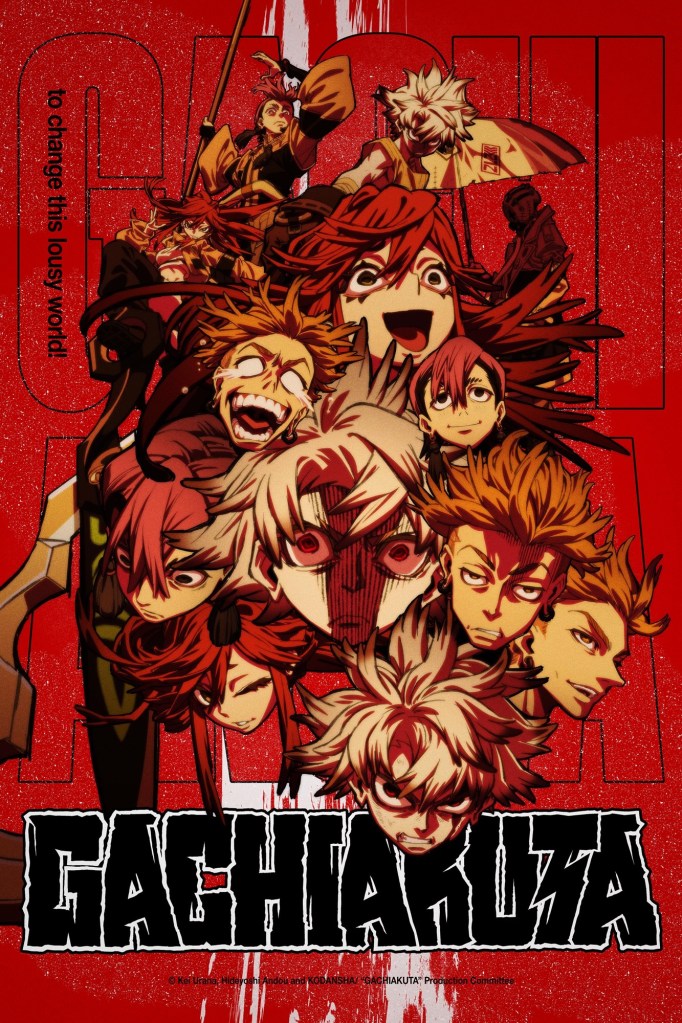
TL;DR: Gachiakuta is an adventure-driven anime with strong mystery elements, creative world-building, and solid action—but it comes with heavy themes, noticeable gore, and mature content. Not overly addictive, but still engaging. Best suited for older teens and above with guidance.
Section 1: Gachiakuta (S1; 24 Episodes) — At a Glance
Anime Summary | Taken directly from MyAnimeList
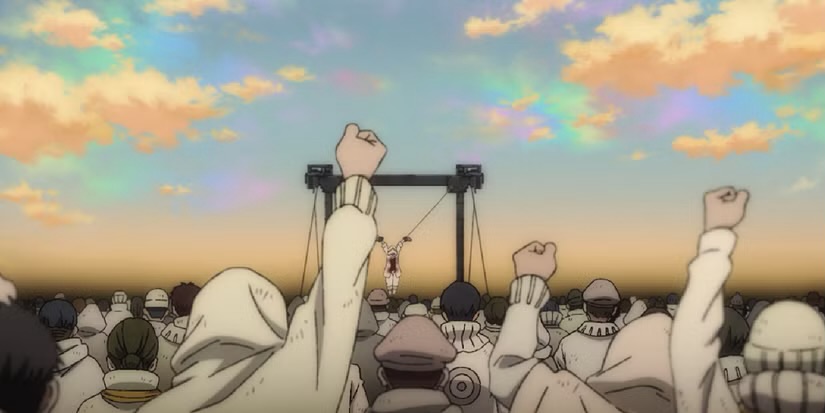
The inhabitants of a certain wealthy town think nothing of throwing objects away. However, their waste is priceless to Rudo, a resident of the town’s slums. Despite the constant warnings from his adoptive father Regto, Rudo spends his days searching for reusable materials that would otherwise be sent to the giant disposal area known as the Pit. Due to its vastness, the Pit doubles as a means of criminal punishment; those dropped in are never to return again.
When Regto is murdered by a mysterious assailant, Rudo is falsely accused of the crime and thrown into the Pit. To his surprise, he awakens in a trash-filled area inhabited by enormous monsters formed from the junk. As the toxic air and Trash Beasts push Rudo to the brink of death, he is saved by Enjin, one of the Cleaners who wield weapons known as Vital Instruments to fight the monstrosities. Having gained his own Vital Instrument, Rudo soon joins the Cleaners in the hopes of finding a way to escape the Pit and avenge his father.
Genres & Themes
Action, Adventure, Comedy, Fantasy, Shounen
MyAnimeList Rating
PG-13+ | Teens 13 and Older
The Anime Momma Rating
PG-16+ | Teens 16 and Older
Section 2: Star Levels
Each category below is rated on a five-star scale:
⭐ = very little present | ⭐⭐⭐⭐⭐ = a lot present
- Action/Violence Level: ⭐⭐⭐⭐⭐ (5/5)
- Addiction Level: ⭐⭐⭐☆☆ (3/5)
- Blood/Gore Level: ⭐⭐⭐⭐⭐ (5/5)
- Inappropriate, Heavy, or Mature Themes or Conduct: ⭐⭐⭐⭐⭐ (5/5)
- Alternative Lifestyle Themes: ⭐☆☆☆☆ (1/5)
- Level of Magical Elements: ⭐⭐⭐⭐☆ (4/5)
- Level of Romance: ⭐☆☆☆☆ (1/5)
Section 3: Star Levels — Explained
Action/Violence Level
Gachiakuta has a lot of action, but it’s not quite central to the series. The biggest theme I would claim of Gachiakuta is actually adventure and mystery.
Rudo, our main character, wants to get back home after he’s been falsely accused of murder and exiled to a place the locals call “the Pit.”
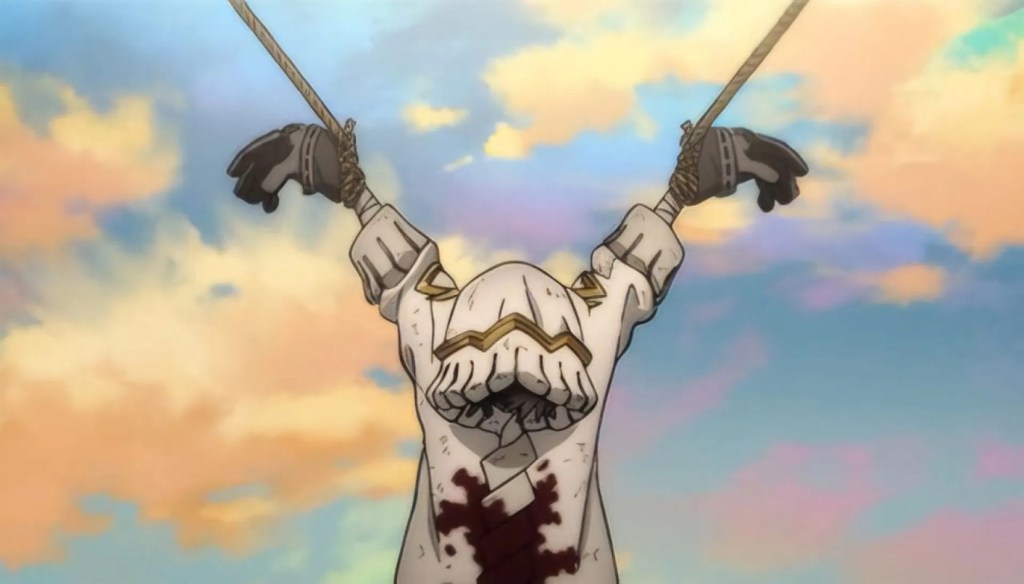
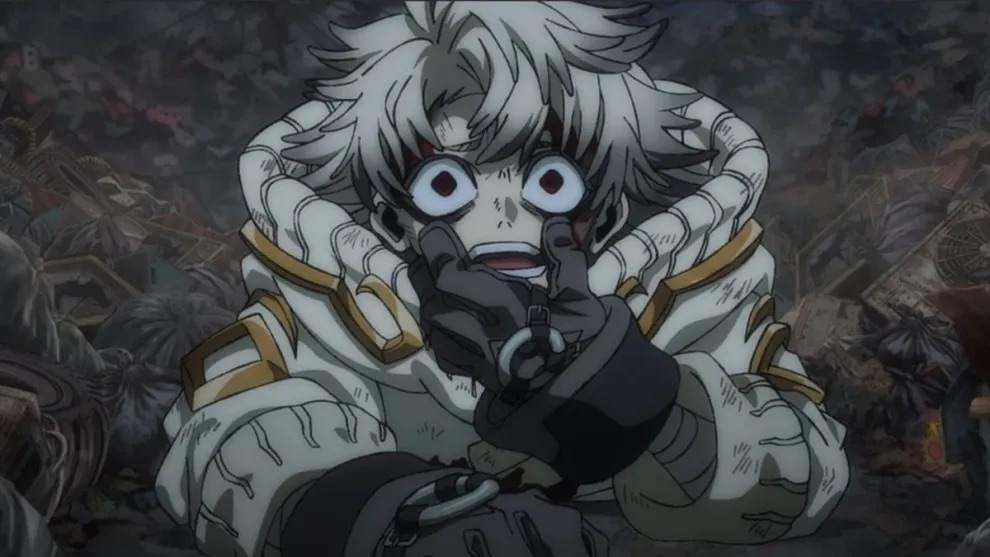
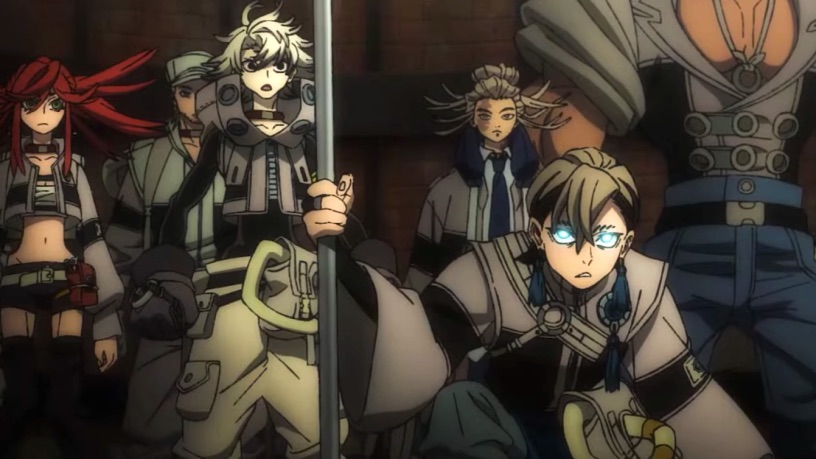
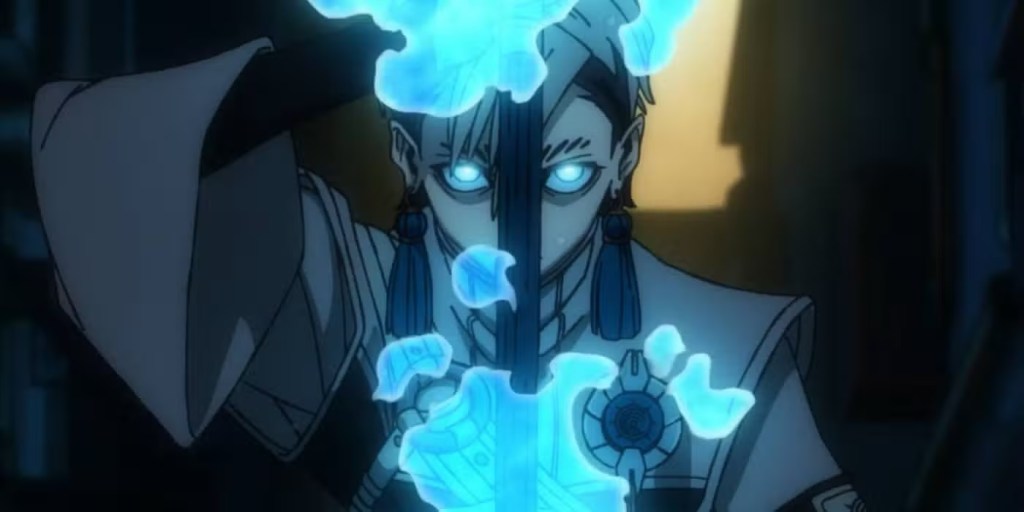
After being found by a group called “The Cleaners,” he is asked to fight alongside them to defeat their enemies. This is where a lot of the action comes into play: fights with specialized weapons.
Addiction Level
This series is entertaining, no doubt—but addictive? Not quite.
I’ll be honest with you: if I wasn’t watching this for review purposes, I probably would’ve taken my time with it. It didn’t have that “just one more episode” pull for me. Solid watch, but not something I’d personally rank among the top anime of the year.
Blood/Gore Level
There is a noticeable amount of blood and gore in this series, but it’s definitely not the worst I’ve ever seen.
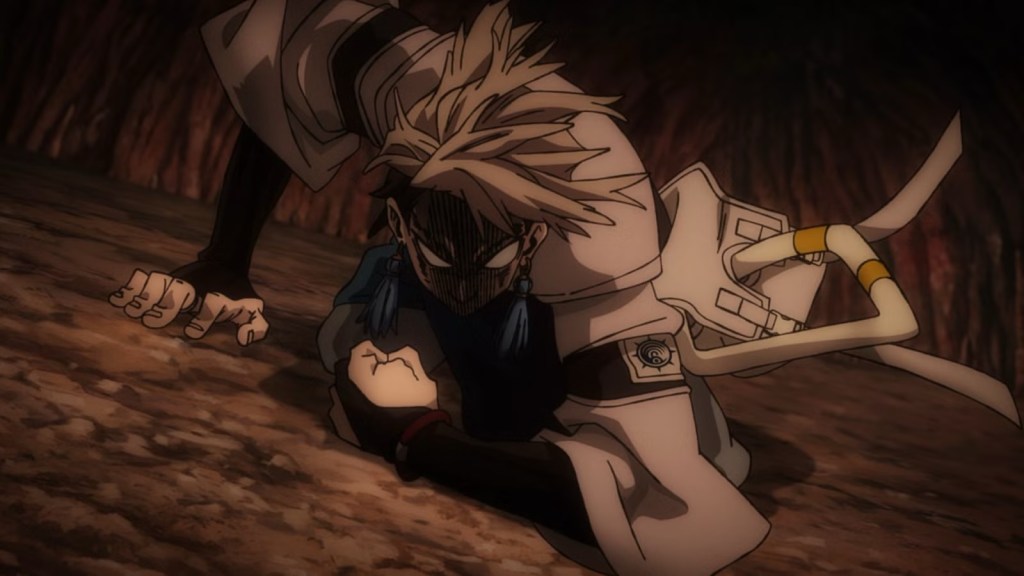
Characters are often shown actively bleeding, with injuries visible during and after fights. These injuries range from mild to severe. Rudo himself is frequently hurt—head wounds, nosebleeds, you name it.
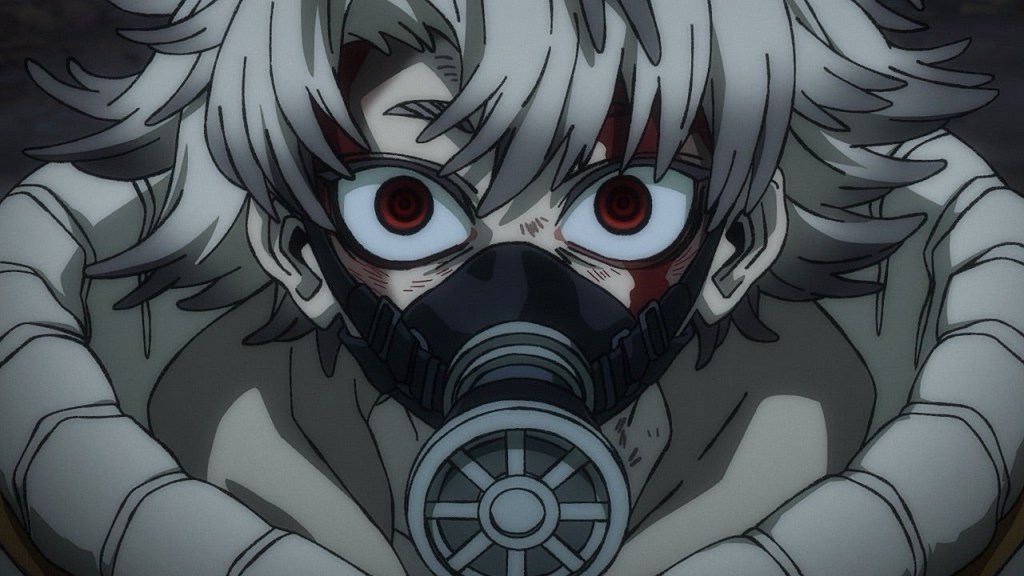
There are also some very intense moments, including:
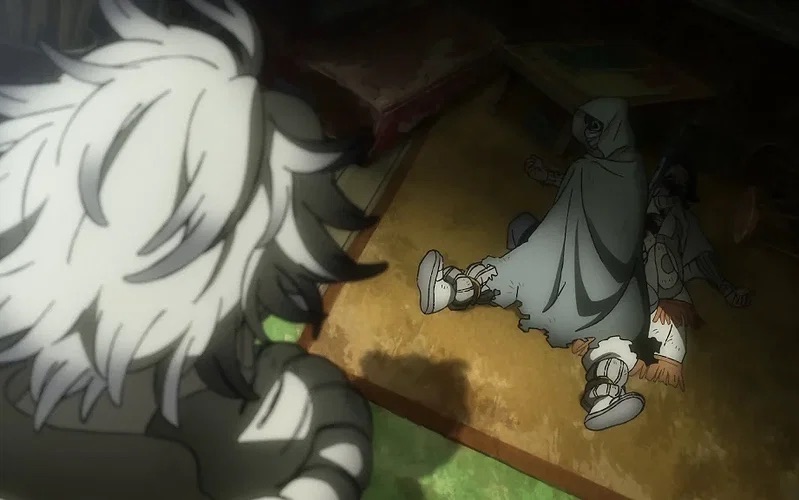
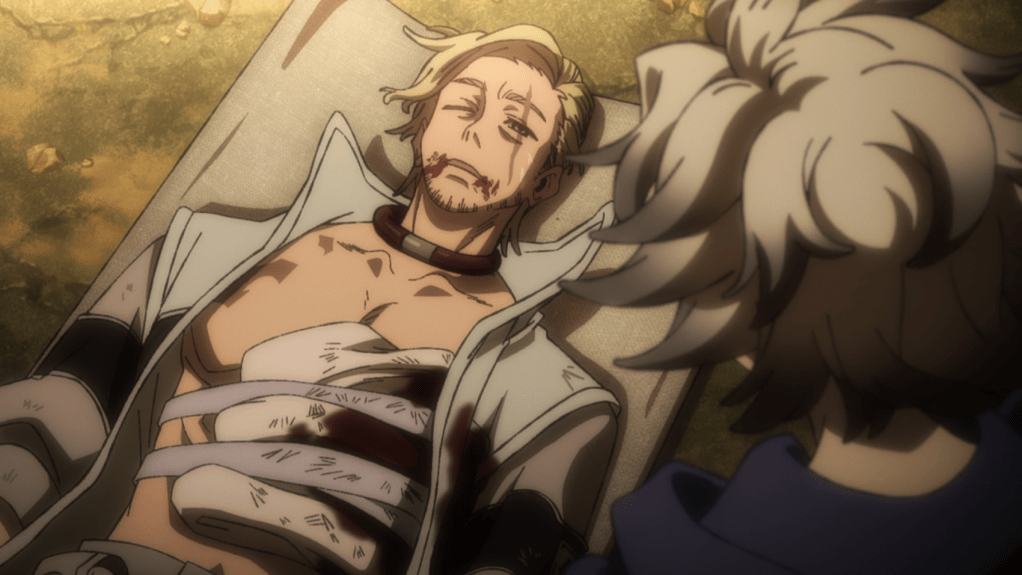
- Character(s) lying in a pool of blood
- Torture scenes (biting off fingers, mutilation, etc.)
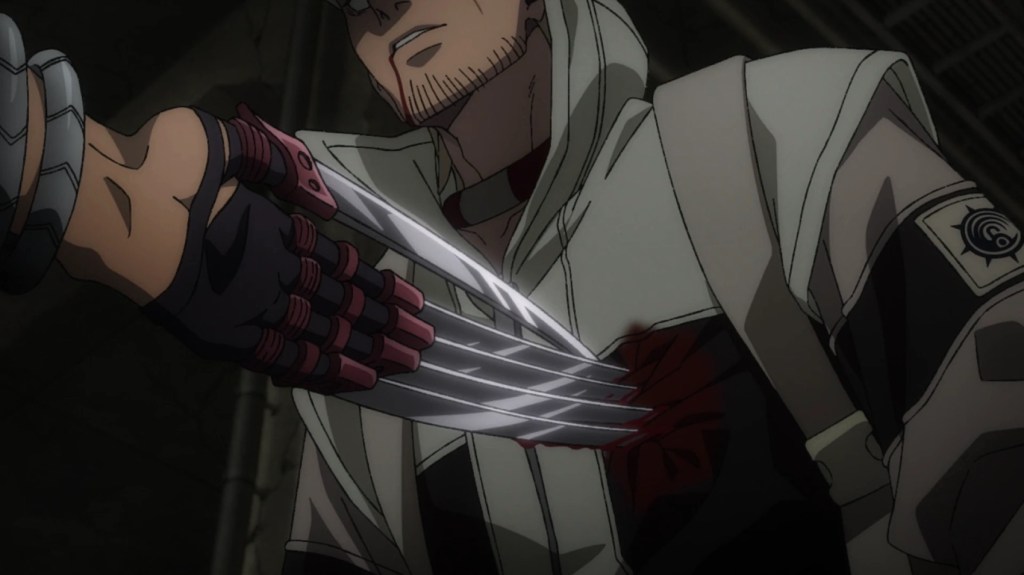
- Graphic injuries like stabbing and disfigurement
It doesn’t hold back, so this is definitely something to consider carefully depending on your sensitivity level.
Inappropriate, Heavy, or Mature Themes or Conduct
This is where I want you to lean in and really pay attention, especially for younger viewers: There are deeply troubling themes present in this series.
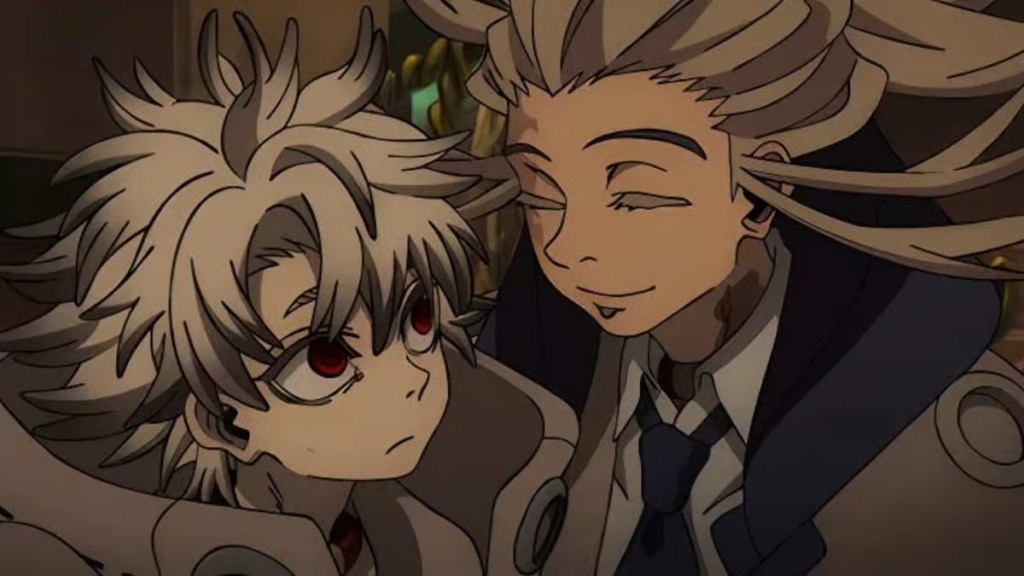
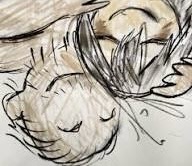
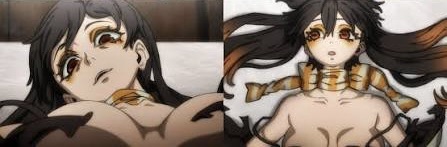
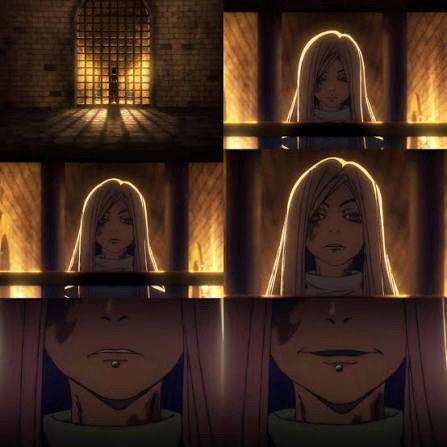
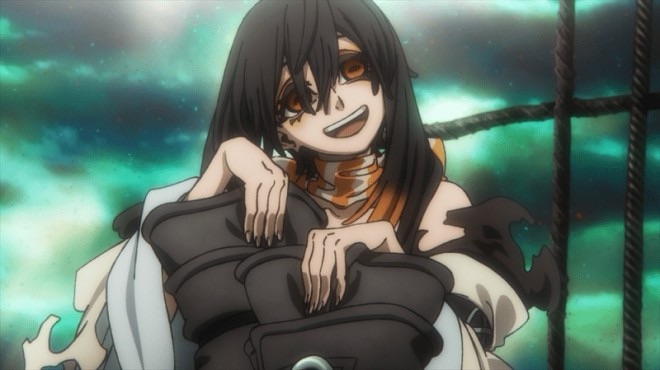
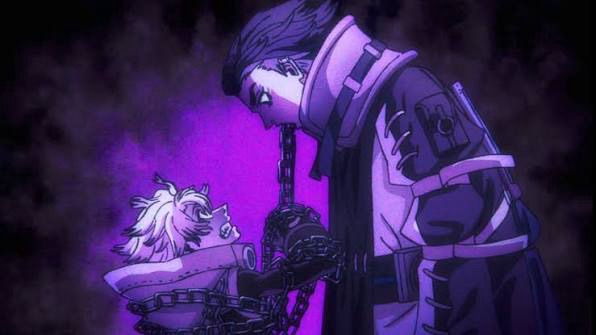
Amo’s backstory involves being sold at a young age, and while not everything is explicitly shown, it is heavily implied and clearly communicated through both dialogue and imagery. Some scenes are uncomfortable and intentionally so.
You’ll also encounter:
- Sexual and physical violence (implied, referenced, and briefly shown)
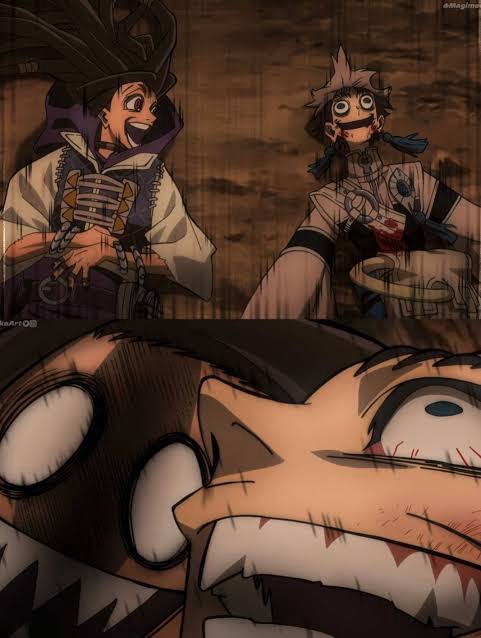
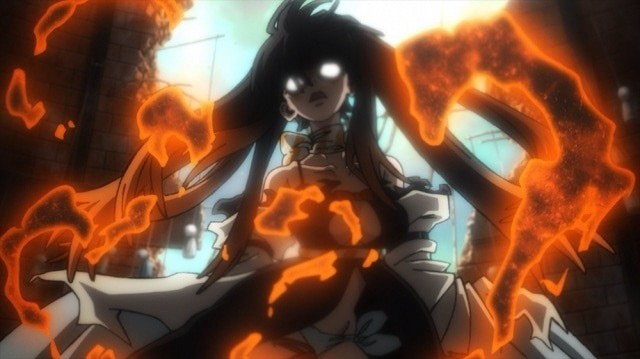
- Characters experiencing severe mental instability
- Sadistic behavior and self-harm tendencies
- Kidnapping and imprisonment
This is not light content—it carries emotional weight and some disturbing elements.
Alternative Lifestyle Themes
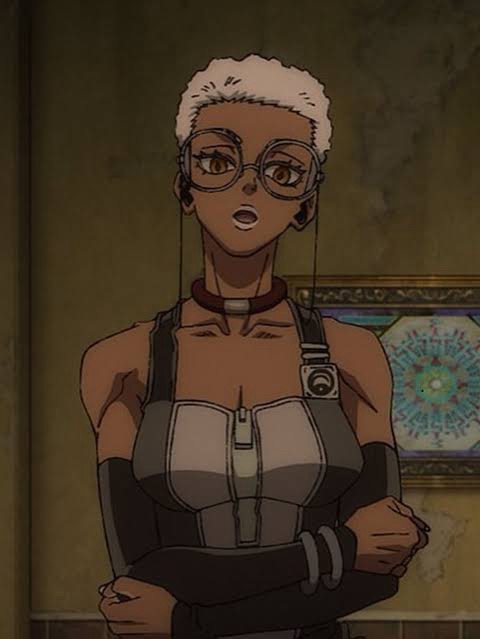
When we meet Semia, receptionist of the Cleaners, she is seen stationed at the front desk of Cleaner HQ flipping through a magazine featuring scantily clad women.
Level of Magical Elements
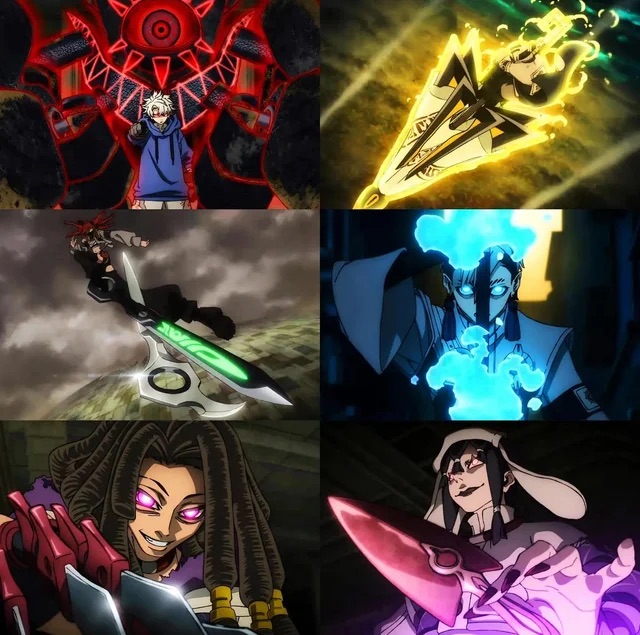
This is actually one of the coolest parts of Gachiakuta.
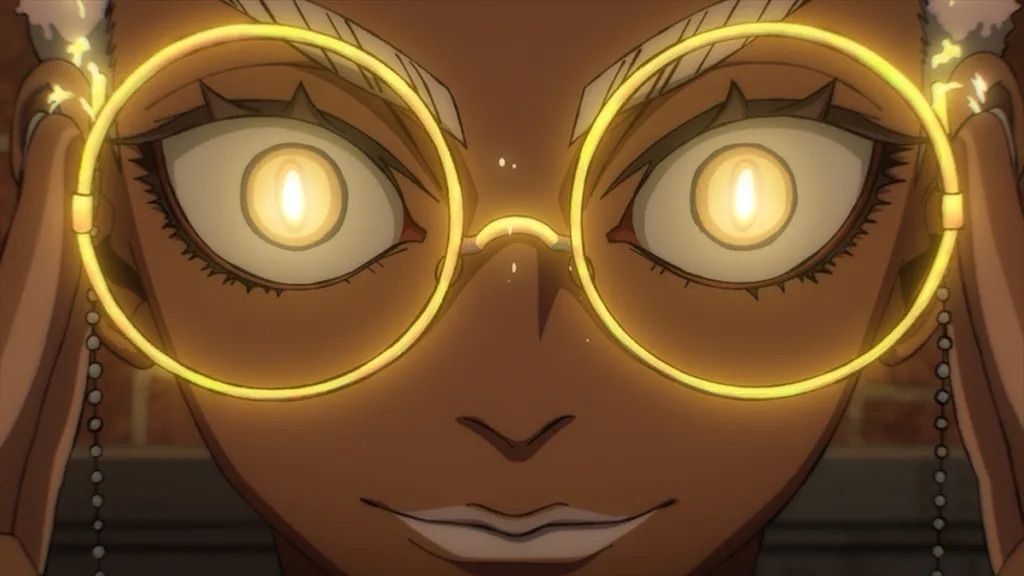
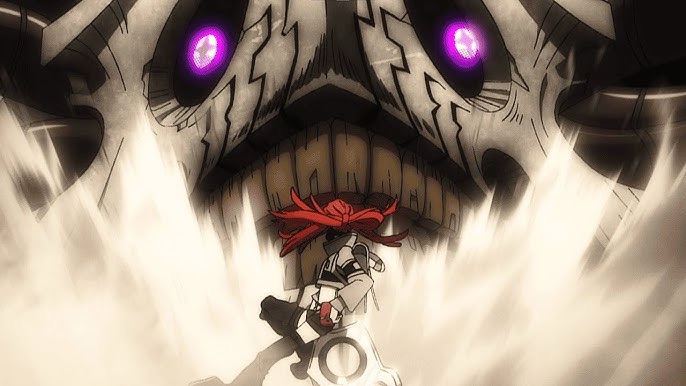
The power system revolves around something called Vital Instruments, fueled by a force known as Anima. And let me tell you—it’s creative.
Objects like scissors, capes, or even umbrellas can become powerful weapons, each with unique abilities like:
- Enhanced strength and durability
- Poison and toxin effects
- Mind control
And here’s the interesting part—the strength of these abilities grows based on the user’s connection to the item. It adds a really personal layer to the fights.
Level of Romance
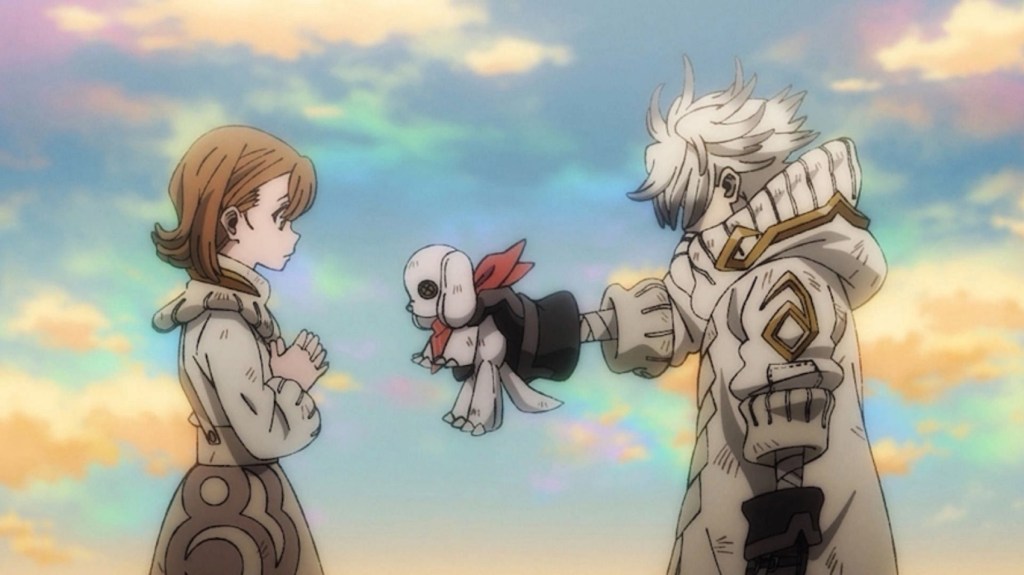
Very minimal. There’s a small thread involving Rudo’s feelings toward Chiwa early on, but it doesn’t develop into anything significant—especially after things take a turn and Rudo is sent to the Pit.
Section 4: Special Notes for Parents & Guardians
This is one of those anime where I’d say: older teens and up, with discernment.
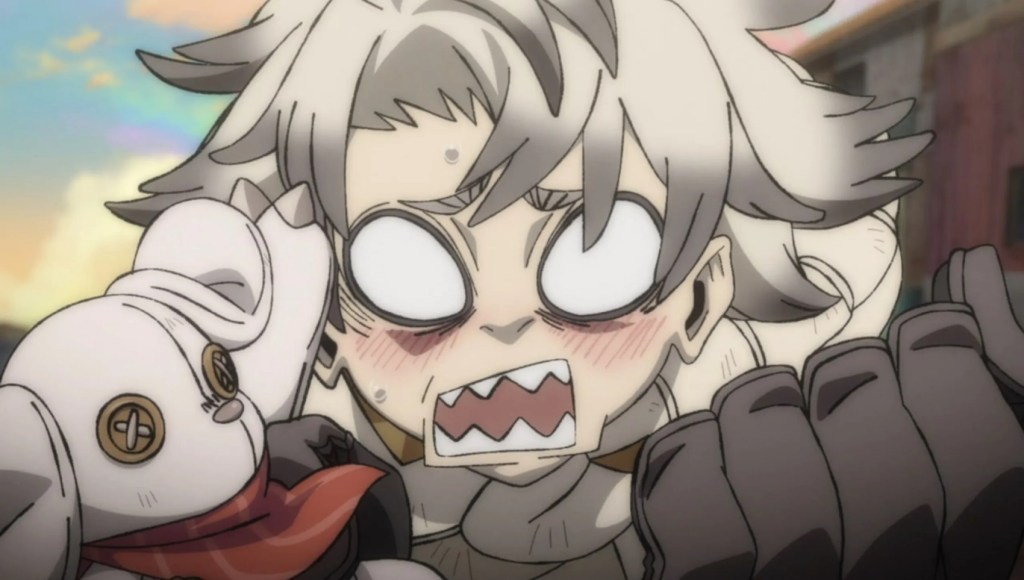
Interestingly, beneath all the chaos, there is a meaningful thread about anger and how we handle it. Rudo’s journey reflects that internal struggle—the feeling of being consumed by something you don’t fully understand.
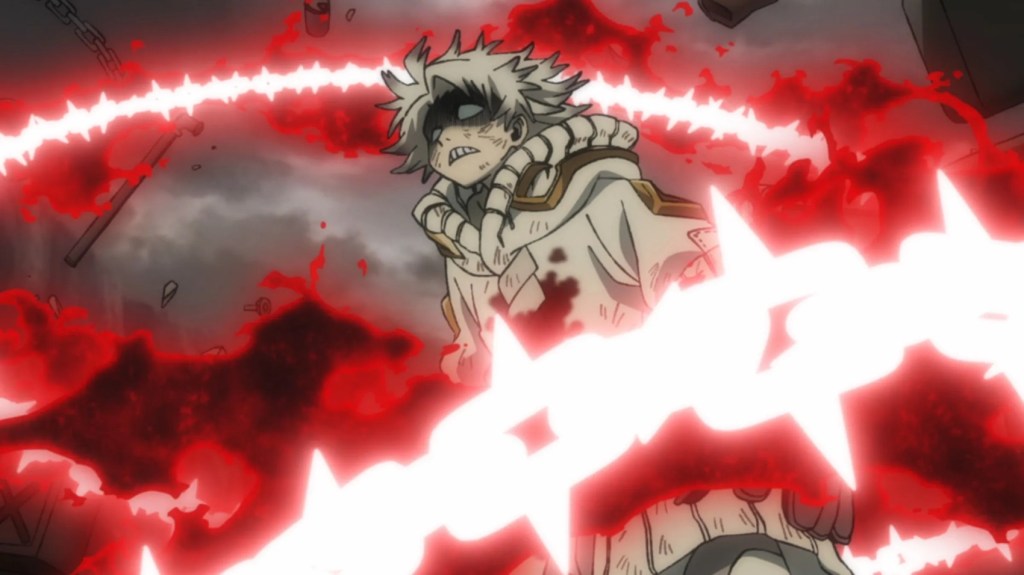
There’s also a surprising relatability in the way characters value their belongings. If you’ve ever had something others didn’t understand but meant the world to you—you’ll get it. That emotional connection is actually really well done.
And I’ve got to say—it’s not all heavy. There were moments that genuinely made me laugh out loud. The humor pops in at just the right times and keeps things from feeling overwhelming.
Final Thoughts
Gachiakuta is one of those shows that has a lot of potential and a lot of depth, but it’s not for everyone—and that’s okay.
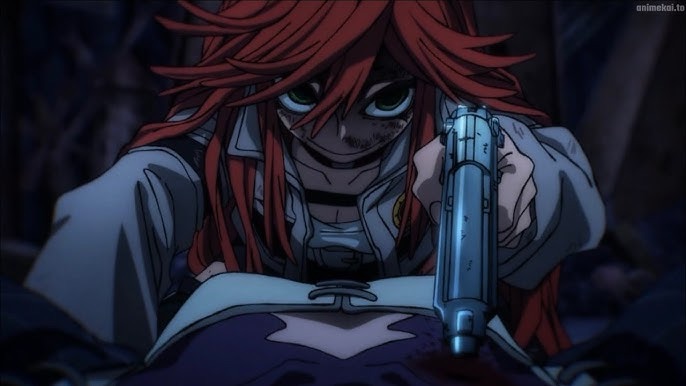
If you’re going in, make sure to go in informed. There are meaningful themes here, especially around identity, anger, and purpose—but they’re wrapped in a pretty intense package.
Watch wisely and don’t be afraid to step away if something feels like too much. Not every anime is meant for every season of life—and that kind of discernment matters.
Thank you for reading this review and I look forward to seeing you in our next one. 💛
At The Anime Momma Blog, my goal is simple: Helping parents understand the anime their kids love by guiding families to watch with wisdom and discernment, and grow through meaningful conversation.
Check us out on social media ✨🩵


Leave a comment