Internet Pitfalls: Why Escapism Feels Safer Than Real Life
This post is part of an ongoing series exploring the ways internet culture, algorithms, fandom spaces, and online habits can gradually shape our thinking, emotions, and boundaries over time.
Read Part 1 Internet Pitfalls: Why It’s So Easy to Stumble Into Pornography Online
There’s a reason so many people disappear into the internet when life gets difficult.
Not because they’re lazy.
Not because they’re “broken.”
And not because they can’t tell fantasy from reality.
But because, sometimes, the online world feels easier to survive in than the real one.
Escapism is one of the most common internet pitfalls precisely because it rarely looks dangerous at first. In fact, it often starts with completely normal things:
- watching anime after a stressful day
- replaying a favorite game for comfort
- scrolling social media to avoid thinking
- reading fanfiction before bed
- getting deeply attached to fictional worlds and characters
None of these things are automatically unhealthy on their own.
The problem begins when escape slowly becomes replacement.
How escapism usually starts
Most people don’t wake up one day and decide to emotionally disconnect from real life.
Usually, escapism begins during periods of:
- loneliness
- stress
- anxiety
- insecurity
- uncertainty
- boredom
- emotional exhaustion
- feeling misunderstood
- struggling socially
- or, sometimes… all of the above.
And the internet offers immediate relief from those feelings.
Online, you can choose your environment.
Choose your entertainment.
Choose your identity.
Choose what you engage with and what you avoid.
Real life is unpredictable and uncomfortable sometimes. The internet often feels controllable by comparison.
That’s part of what makes it so appealing.
How escapism continues
One of the reasons escapism can become so difficult to overcome is that eventually, it stops being something people only turn to during bad times.
At first, someone may use the internet, fiction, gaming, or online spaces to cope with stress, loneliness, anxiety, or emotional pain.
But then, they use it more…
And more…
And more…
Until it becomes automatic.
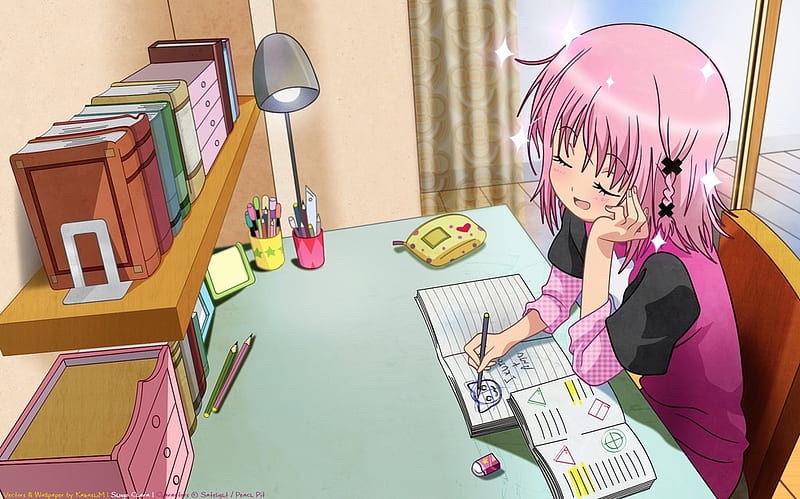
Eventually, people may start escaping:
- when they’re stressed
- when they’re bored
- when they’re lonely
- when they’re happy
- when they’re celebrating
- when they don’t know what else to do
- or simply because it has become part of their daily routine
And that’s where it becomes harder to recognize.
Because after a while, it no longer feels like escapism anymore. It just feels normal.
The internet becomes the background to everything:
- waking up and immediately scrolling
- needing constant videos or music playing
- always consuming content while eating, resting, or doing chores
- jumping into games or fandom spaces the second emotions become uncomfortable
- never allowing the mind to fully slow down or sit quietly
At that point, escapism often becomes less about enjoyment and more about dependency on constant stimulation or distraction.
And the difficult part is that habits built into everyday life can feel emotionally strange to step away from—even when someone realizes the habit may not be healthy anymore.
Sometimes people aren’t even trying to avoid reality consciously anymore. They’ve simply trained themselves to constantly reach for distraction before they ever fully process what they’re feeling.
That’s part of why these patterns can feel so deeply ingrained over time.
Why fictional worlds can feel emotionally safer
This is especially common in anime, gaming, fandom, and online creative spaces.
Fictional worlds are structured. They have emotional payoffs. Characters often feel understandable in ways real people don’t. Stories resolve. Relationships feel emotionally intense and meaningful and… not nearly as scary.
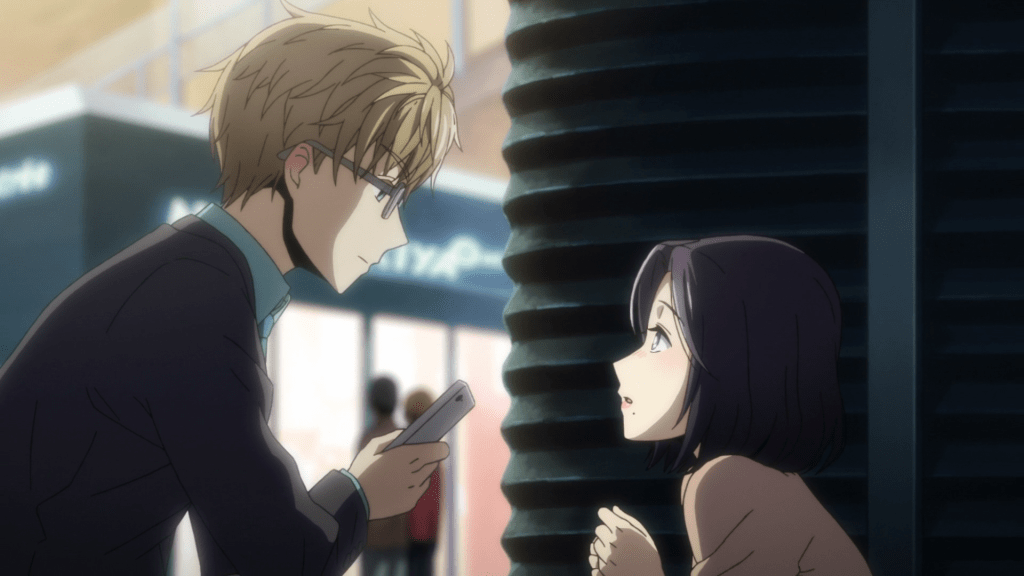
Meanwhile, real life can feel:
- awkward
- uncertain
- slow
- disappointing
- emotionally messy
For some people, fictional worlds become more emotionally comforting than reality itself.
And over time, that can quietly change a person’s priorities.
You stop just enjoying stories and start emotionally living inside them.

The internet encourages this more than ever
Modern internet culture is built around immersion.
Algorithms constantly feed people:
- endless content from their favorite fandoms
- edits and clips designed to trigger emotion
- “comfort character” culture
- parasocial attachment
- idealized fictional relationships
- nostalgia loops
- constant stimulation and distraction
And because there is always more content available, people rarely have natural stopping points anymore.
One episode becomes six.
One scroll becomes three hours.
One fandom becomes your entire online identity.
The shift usually happens slowly enough that people barely notice it.
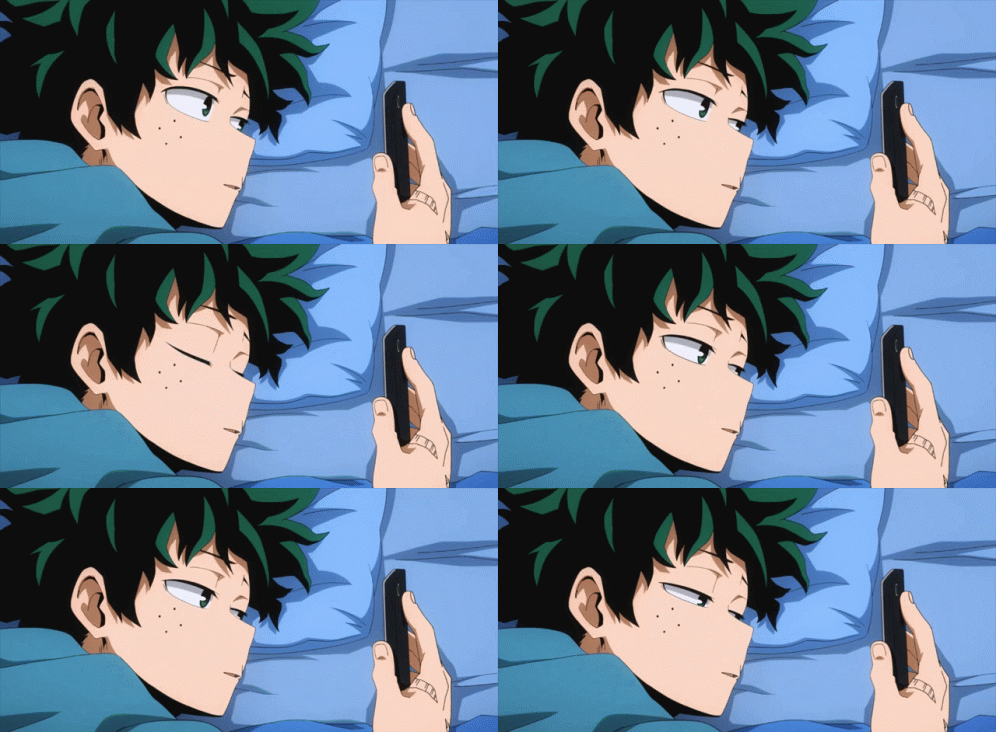
When escapism starts replacing real life
Escapism becomes unhealthy when it consistently pulls someone away from:
- relationships
- responsibilities
- emotional growth
- real-world goals
- self-care
- meaningful connection
Sometimes people start preferring fictional comfort over dealing with difficult emotions or situations.
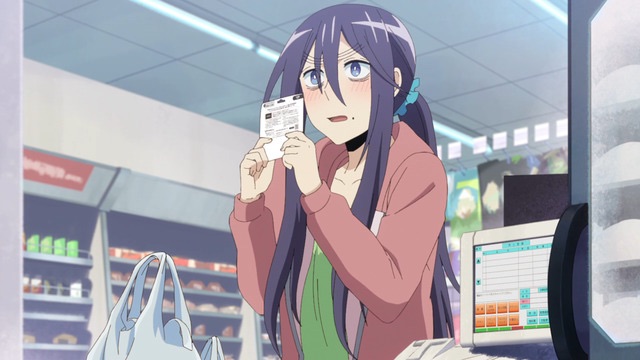
And while temporary escape can absolutely be healthy in moderation, constant avoidance tends to make real life feel even harder to return to.
That creates a cycle:
- real life feels stressful
- the internet becomes escape
- responsibilities build up
- real life becomes more overwhelming
- the urge to escape grows stronger
And eventually, the online world can begin feeling more emotionally “real” than offline life.
Fandom spaces can intensify the problem
This is something I personally experienced to an extent.
When you become deeply involved in fandom spaces, your entire emotional environment can slowly start revolving around media consumption.
You’re constantly:
- discussing characters
- consuming edits and fan content
- engaging in shipping culture
- reading theories
- writing fanfiction
- staying emotionally invested in fictional stories
Again, none of these things are automatically wrong.
But when all of your emotional energy starts pouring into these fictional worlds instead of your real, tangible life, it becomes important to step back and ask why.
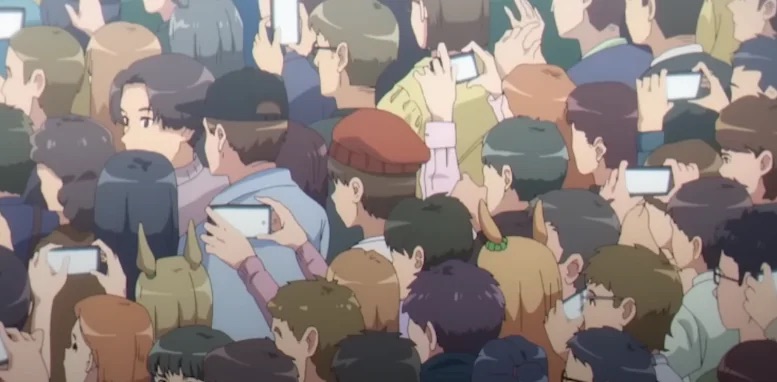
Sometimes we are dissatisfied with our everyday lives, and our fandom spaces unintentionally encourage people to stay emotionally immersed all the time.
And because everyone around you is doing the same thing, it starts feeling normal.
Small warning signs escapism may be becoming unhealthy
Not every hobby is escapism, and not all escapism is harmful. But here are a few signs that it may be crossing into unhealthy territory:
- real life feels “empty” compared to fiction
- you feel emotionally distressed when disconnected from online content
- responsibilities constantly get pushed aside for entertainment
- you spend more time thinking about fictional worlds than your actual future
- you avoid difficult emotions by immediately distracting yourself online
- offline relationships begin feeling less fulfilling than fictional ones
- being alone with your thoughts feels uncomfortable without stimulation
These things can happen gradually, which is why many people don’t notice the shift right away.
How to protect yourself
I don’t think the answer is to completely avoid entertainment, stories, games, or anime altogether.
Stories can inspire people. Creativity can be beautiful. Fiction can genuinely comfort people during hard seasons of life.
The goal isn’t fear. It’s awareness.
A few things that can help:
- spending intentional time offline
- creating things instead of only consuming content
- maintaining hobbies disconnected from screens
- investing in real-life friendships and community
- paying attention to emotional dependence on media
- taking breaks from fandom spaces occasionally
- asking yourself honestly whether something is helping you grow or helping you avoid life
Sometimes even small changes can help reconnect someone to reality again.
You’re not alone in this
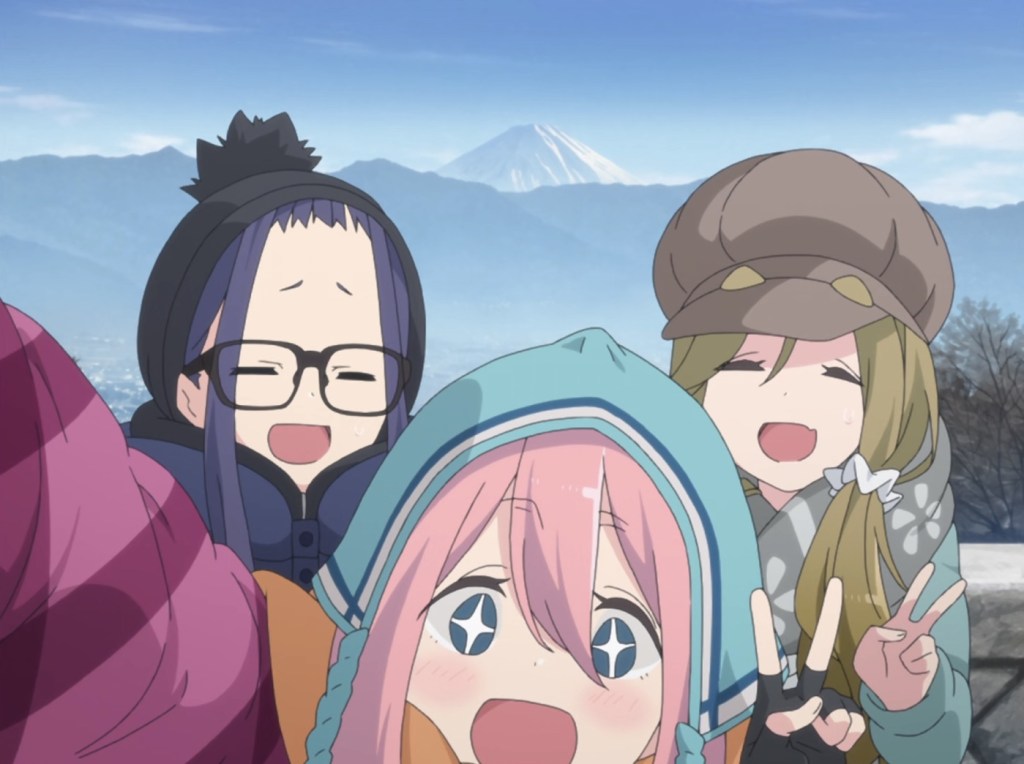
If real life has started feeling emotionally harder to engage with than fictional worlds, you are not the only person who has experienced that.
One of the easiest lies internet struggles can create is the feeling that you’re the only person dealing with them.
But many people quietly struggle with things like escapism, unhealthy online habits, fandom dependency, overstimulation, or emotional attachment to online spaces.
A lot of these patterns are far more common than people realize—they’re just rarely talked about honestly.
And because these habits usually develop slowly over time, people often carry guilt or confusion without fully understanding how they got there in the first place.
Awareness matters more than pretending you were never affected.
Small changes matter too.
And no matter how deeply ingrained an online habit feels, people are capable of rebuilding healthier patterns over time.
Final thoughts
One of the most difficult things about escapism is that it often feels comforting long before it feels harmful.
That’s why it can become such an easy internet pitfall to stumble into.
And in a world constantly offering distraction, stimulation, and emotional escape, learning how to stay grounded in real life has become more important than ever.
Enjoying fiction is not the problem.
But when fictional worlds consistently feel safer, easier, or more emotionally fulfilling than reality itself, it may be worth gently asking why.
Awareness is often where healing starts.

Thank you for reading the second part of the Internet Pitfalls series. I look forward to seeing you in our next one! 💜
At The Anime Momma Blog, my goal is simple: Helping parents understand the anime their kids love by guiding families to watch with wisdom and discernment, and grow through meaningful conversation.
Check us out on social media ✨
 The Anime Momma Blog
Leave a comment