The Anime Momma Blog
Understanding anime. Watching with wisdom. Growing through conversation.
recent posts
- Frieren: Beyond Journey’s End (Season 2) — Anime Review
- Internet Pitfalls: How Fandom Spaces Slowly Shift Your Boundaries (Part 4)
- Wistoria: Wand and Sword (Season 2) – Anime Review
- When Discernment Becomes Scrupulosity: Enjoying Anime When You Have OCD
- Sailor Moon (Season 1) – Anime Review (Revamped)
about
Category: Shounen | Teen Boys
Targets young male audiences (roughly 12-18), known for action, adventure, comedy, and themes of friendship, perseverance, and growth.
-
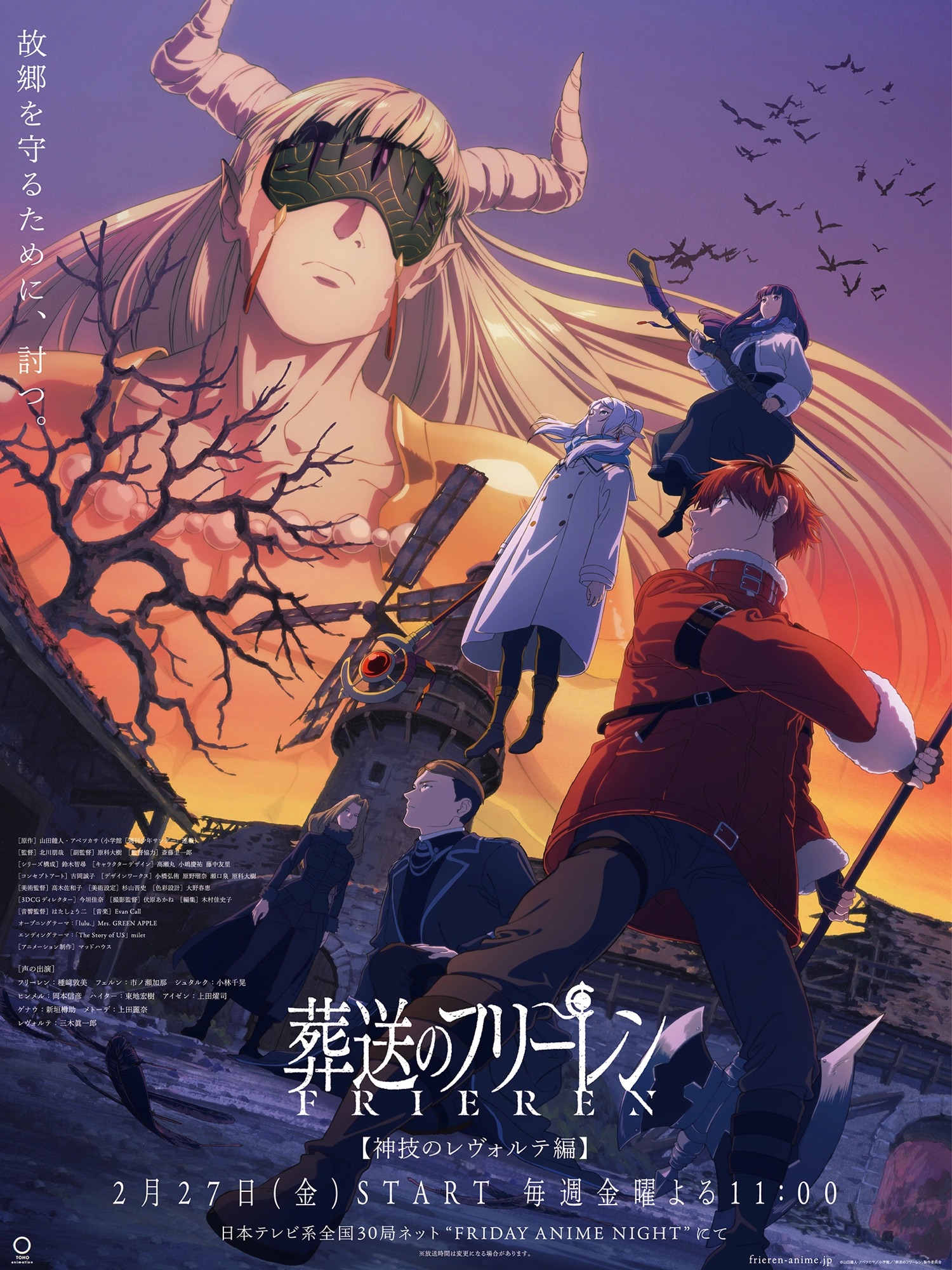
Frieren: Beyond Journey’s End Season 2 is a stunning fantasy anime that blends adventure, friendship, and heartfelt storytelling. With its beautiful animation and compelling characters, it’s a must-watch for fans of the genre.
-
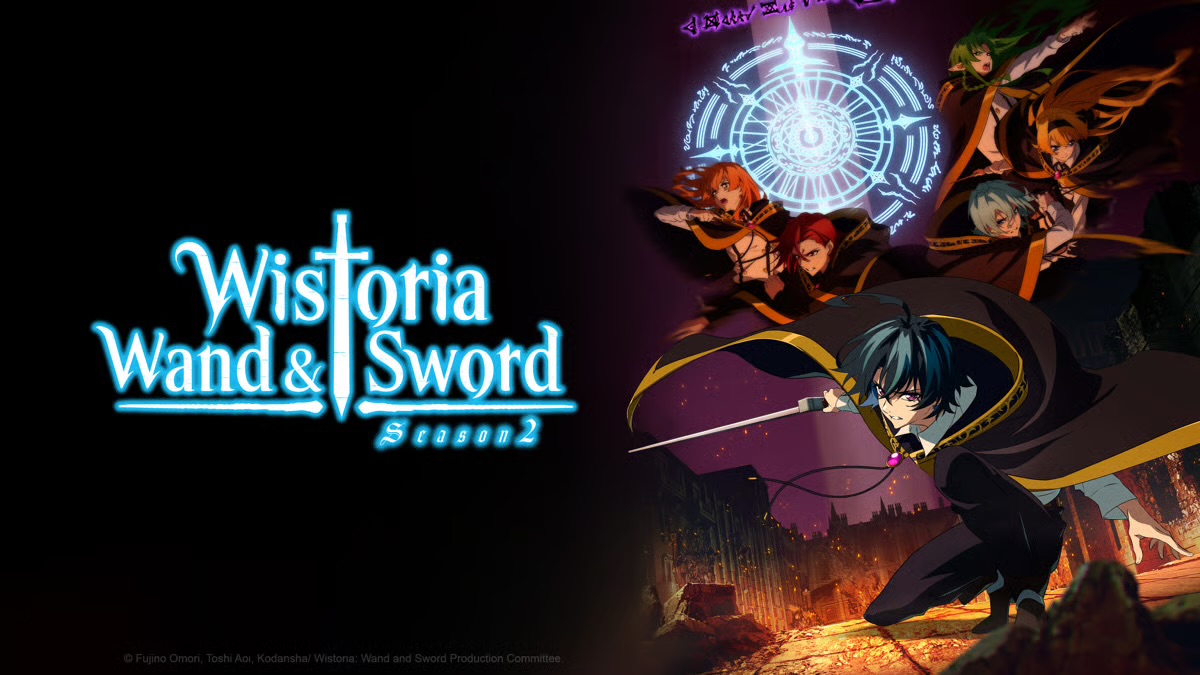
Wistoria: Wand and Sword Season 2 is packed with thrilling battles, stunning worldbuilding, and unexpected twists. Will Serfort’s journey is both epic and emotional, as he faces personal loss and discovers hidden powers. This season is a must-watch for fans of action, adventure, and fantasy.
-

Will Serfort’s story in Wistoria: Wand and Sword is a powerful tale of perseverance and self-worth. In a world where magic is the norm, Will’s unique abilities and unwavering spirit make him a standout character. Don’t miss out on this exciting anime!
-

A high-energy sports anime about cycling, perseverance, teamwork, and finding confidence through passion. Yowamushi Pedal combines intense races, uplifting rivalries, and heartfelt character growth with very little explicit content, making it one of the more approachable and wholesome competitive anime series.
-
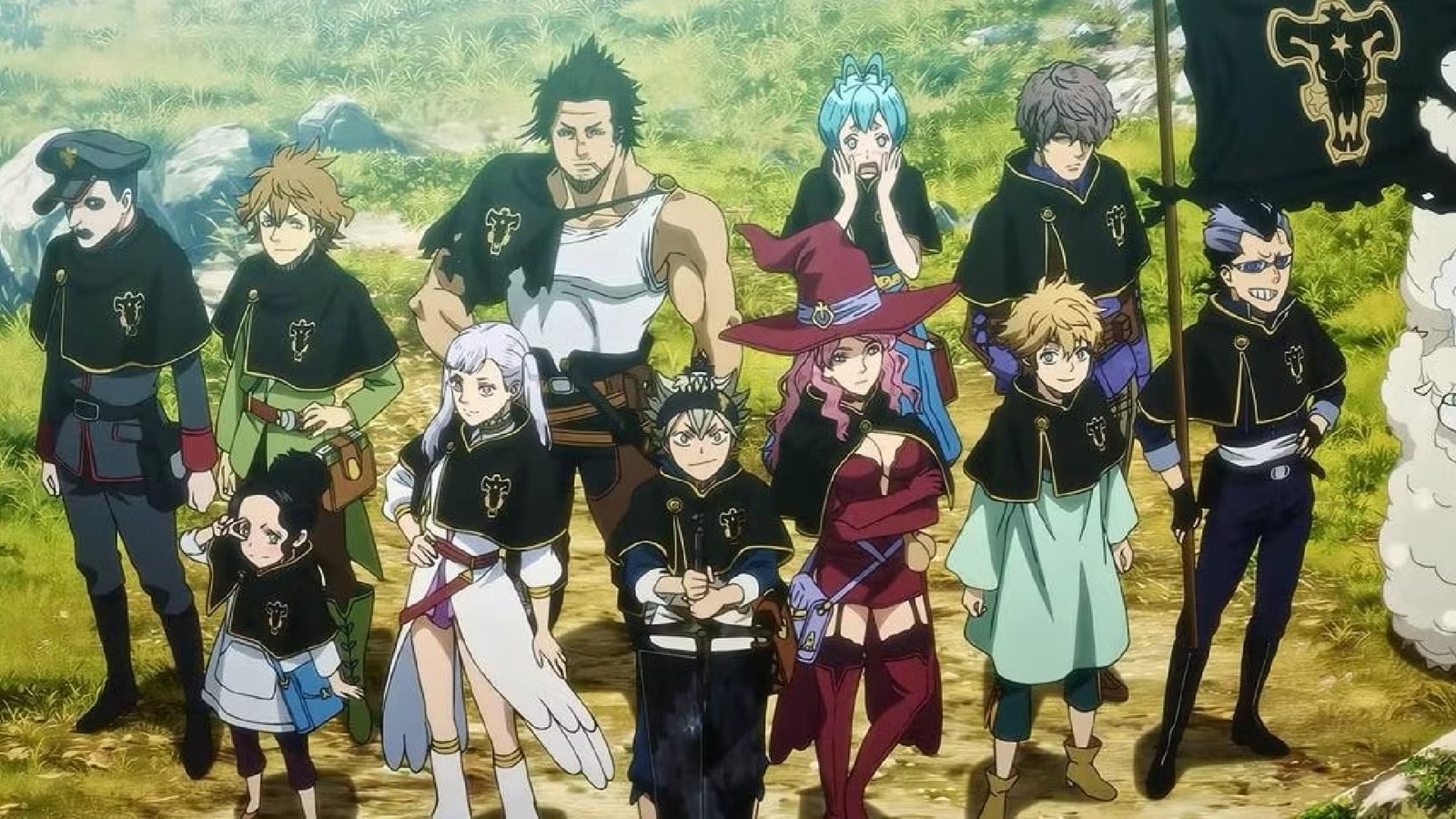
A high-energy fantasy anime filled with magic battles, underdog themes, and one of the healthiest rivalries in shounen anime. Black Clover explores discrimination, perseverance, and self-worth through Asta and Yuno’s journey from orphaned peasants to powerful magic knights. Loud, emotional, funny, and surprisingly heartfelt once it finds its footing.
-
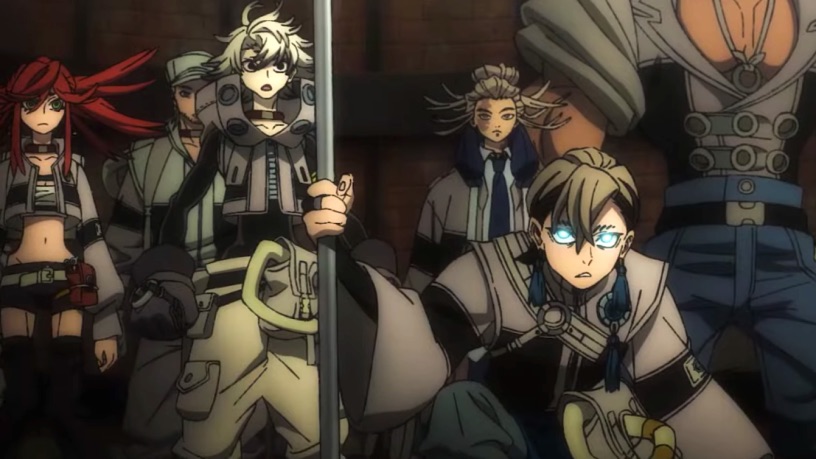
Gachiakuta is an adventure-driven anime with strong mystery elements, creative world-building, and solid action—but it comes with heavy themes, noticeable gore, and mature content. Not overly addictive, but still engaging. Best suited for older teens and above with guidance.
-
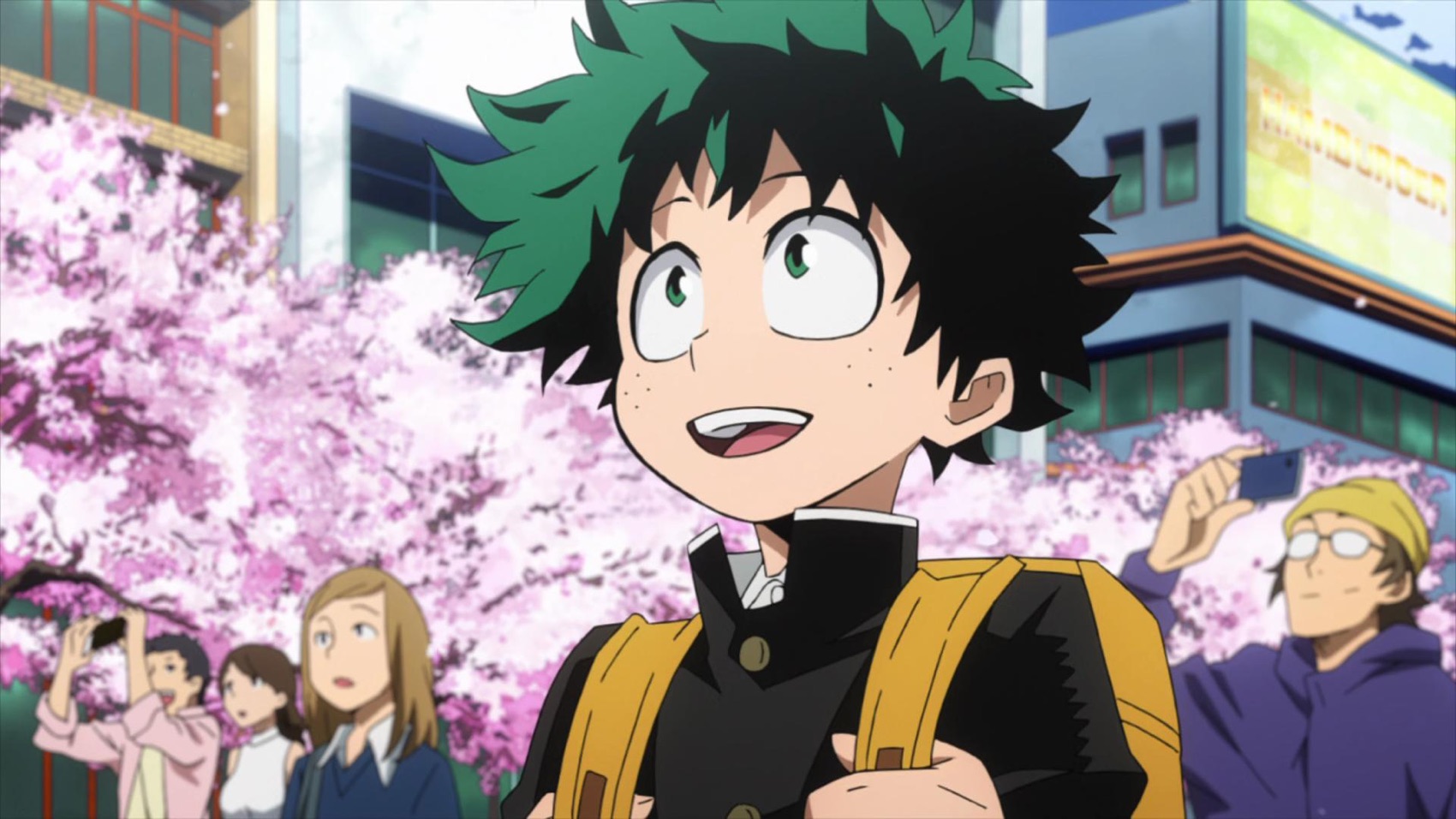
My Hero Academia (S1) is an action-heavy introduction to a world where young students train to become professional heroes. While the series includes intense battles, bullying themes, and moments of danger, the overall tone remains hopeful and encouraging. The show focuses strongly on perseverance, growth, and learning what it truly means to protect others. Violence…
-

The Hashira Training Arc is far lighter than previous Demon Slayer seasons, focusing more on character growth, humor, and preparation rather than nonstop battles. While there are still a few emotionally heavy backstories and some intense confrontations, most of this arc feels like a breather before the storm. Think of it as the calm, relational…
-

The Swordsmith Village Arc is visually beautiful but noticeably darker than earlier Demon Slayer arcs. Violence is more cruel, emotional moments are heavier, and some imagery—both violent and suggestive—may be difficult for younger or sensitive viewers. While the story ultimately ends on a hopeful note, parental awareness and discretion are strongly recommended.
-
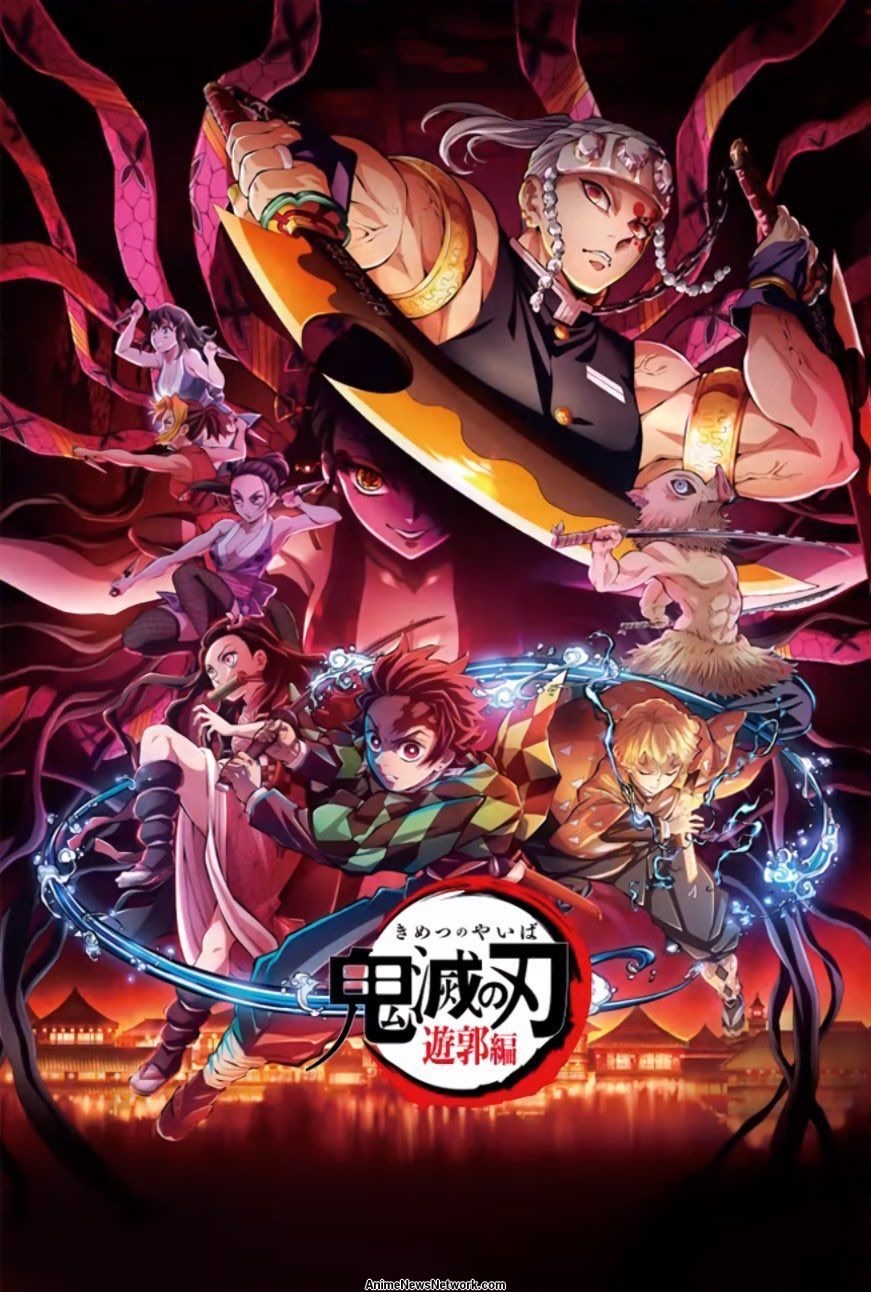
The Entertainment District Arc starts lighthearted but quickly becomes intense, with frequent action, heavy bloodshed, and emotionally charged storytelling. While the animation avoids dwelling on gore, themes of trauma, abuse, and loss play a major role, especially in the demons’ backstories. Romance is minimal, but strong emotional bonds drive the plot. This arc is best…