Navigating Explicit Content with Wisdom, Boundaries, and Compassion
This post is part of an ongoing series exploring the ways internet culture, algorithms, fandom spaces, and online habits can gradually shape our thinking, emotions, and boundaries over time.
Hi friends, it’s Tam, the Anime Momma. 💛
This is one of the hardest posts I’ve written.
Not because it’s shocking.
Not because it’s dramatic.
But because it’s quiet, common, and often wrapped in silence and shame.
I’ve seen this struggle affect students, families, online communities, and yes—even parts of my own life.
So before we go any further, I want to say something clearly:
👉 Liking anime does not mean your child is headed down a bad path.
👉 Curiosity does not equal failure.
👉 Struggling with online habits does not make someone a bad person.
👉 Anime does not cause pornography.
This article isn’t about fear…

It’s about understanding how people gradually drift into online spaces they never intended to visit—and how families can respond with wisdom, boundaries, and compassion.
TL;DR
Most people don’t intentionally seek out explicit content. More often, exposure happens gradually through algorithms, fandom spaces, social media, memes, fan art, fanfiction, and curiosity-driven clicks.
The answer isn’t panic, shame, or assuming the worst.
The answer is awareness, open conversation, healthy boundaries, and helping kids understand how online spaces shape what they see over time.

The Quiet Slope No One Talks About
Anime is imaginative, emotional, and visually engaging.
For many kids and teens—especially neurodivergent kids—it offers comfort, creativity, routine, and connection.
That’s not a bad thing.
In fact, it can be a beautiful thing.
The challenge is that anime rarely exists by itself anymore.
Watching a show often leads to:
• Fan art
• Fanfiction
• Memes
• TikToks
• YouTube edits
• Discord servers
• Reddit communities
• Recommendation algorithms
And from there, the internet does what it does best:
It gives us more.
And more.
And more.
This is where what I call “unsupervised intensity” often begins.
Most kids don’t wake up one day wanting to find explicit content.
It usually happens much more gradually:
• A suggestive image here
• A joke there
• A more sexualized version of a familiar character
• A comment section that goes too far
• A recommendation that pushes slightly further than the last one
The shift is rarely dramatic.
It’s usually a series of small steps that only become obvious in hindsight.

Why this happens so easily
The internet isn’t designed to help us make wise decisions.
It’s designed to keep us engaged.
Algorithms learn:
- What makes us stop scrolling
- What makes us click
- What keeps us watching
Over time, platforms often recommend increasingly emotional, shocking, or provocative content because those things tend to hold attention.
Algorithms reward content that is more extreme, emotional, or attention-grabbing. They are designed to keep you engaged, not necessarily to guide you toward what is healthy.
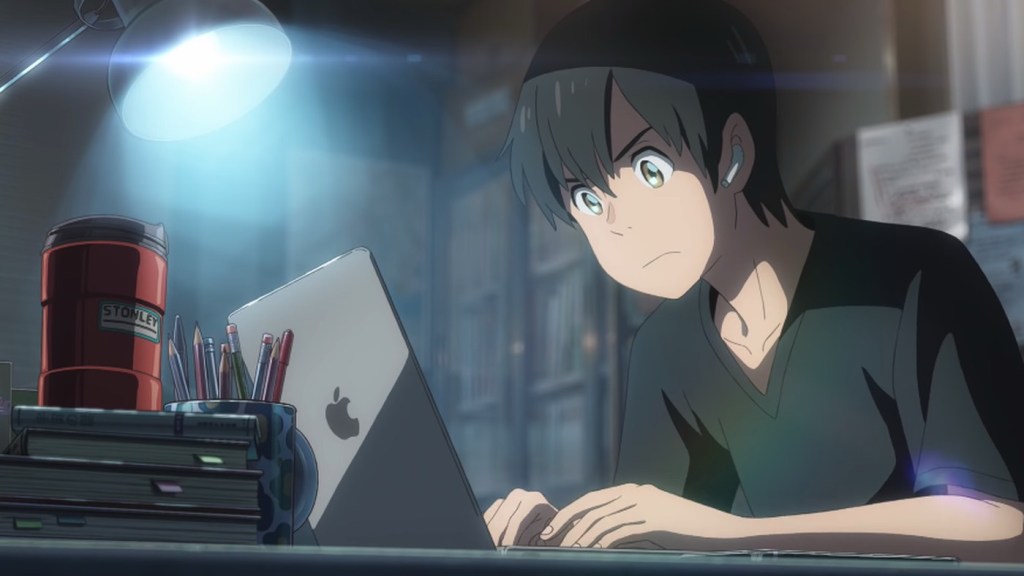
- Curiosity doesn’t always come with built-in limits, and the internet rarely provides natural stopping points.
- A thought becomes a question.
- A question becomes a search.
- A search becomes a recommendation.
- A recommendation becomes a habit.
- Online communities slowly shape what feels “normal” over time, especially when you’re young and still forming boundaries.
- The internet often becomes an escape when real life feels heavy, lonely, or overwhelming.
And because of that, the process is rarely dramatic. It’s gradual. Layered. Easy to miss in real time.

Why This Can Be Especially Difficult for Certain Kids
Many neurodivergent individuals experience:
• Hyperfocus
• Intense interests
• Emotional attachment to characters
• Difficulty disengaging from comforting activities
These traits can be incredible strengths.
But when combined with constant internet access and algorithm-driven content, they can sometimes make it harder to step away once something becomes emotionally rewarding.
This isn’t a character flaw.
It’s a reminder that some kids need more support, structure, and guidance than others.

Why People Don’t Talk About it
One of the hardest parts of unhealthy online habits is that they often become cyclical.
A person realizes they don’t like where things are headed.
They decide to stop.
Things improve for a while.
Then stress, loneliness, boredom, anxiety, or exhaustion return.
And the habit comes back.

This cycle can repeat for years: even decades.
One reason it remains hidden is because people often carry it silently.
Shame convinces them they are alone.
In reality, many people experience similar struggles but feel too embarrassed to talk about them.
What Shame Gets Wrong
It’s easy to assume that embarrassment, guilt, or self-anger will solve the problem.
Unfortunately, shame often makes these struggles harder.
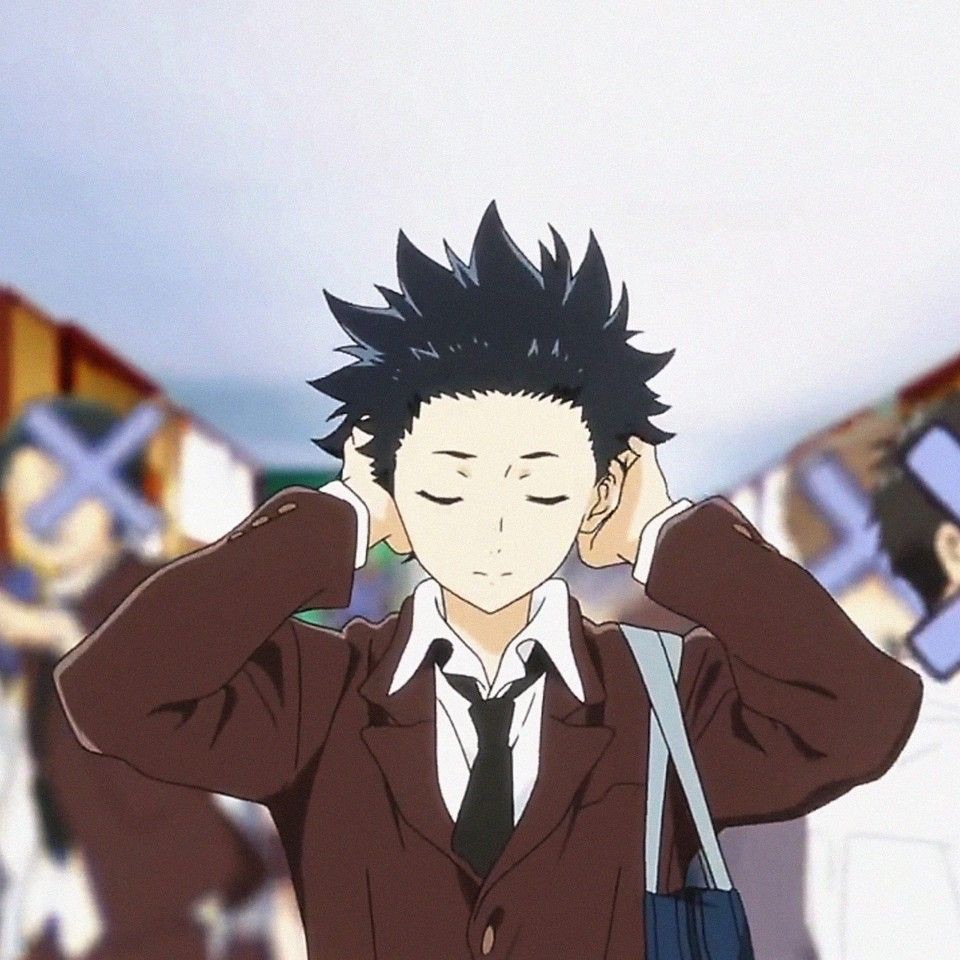
Shame tends to create secrecy.
Secrecy makes conversations less likely.
And isolation often strengthens unhealthy habits rather than weakening them.
Awareness is usually more helpful than condemnation.
- It’s easy to think that self-anger or shame will “snap you out of it,” but in practice, it often does the opposite. It adds emotional weight to something that is already difficult to manage.
When people can honestly identify patterns without immediately attacking themselves, real growth becomes possible.
And that separation matters: struggling with something online does not define who you are. Habits are learned over time—and they can also be unlearned over time. But neither happens instantly.

What Parents Can Do
1. Keep Conversations Open
Try asking:
• “What do you like about this show?”
• “Have you seen anything online that felt uncomfortable?”
• “Is there anything confusing you’ve come across lately?”
Curiosity builds trust.
Accusation usually shuts conversations down.
2. Teach Discernment, Not Just Rules
Filters matter.
Boundaries matter.
But eventually, children need internal wisdom too.
Help them understand:
• Not everything online is meant for them.
• Scrolling away is a strength.
• Feeling uncomfortable is a signal worth paying attention to.
4. Watch the Heart, Not Just the Screen
Sometimes the issue isn’t the content itself.
Sometimes it’s the emotional need underneath it.
Many online spaces offer:
• Comfort
• Validation
• Belonging
• Escape
When those needs aren’t being met elsewhere, the internet can become much more powerful.
How YOU can protect yourself online (without overcomplicating it)
You don’t need to be perfect online to stay safe—you just need a few steady habits that make it harder to drift into places you don’t want to go.
1. Pay attention to how you got there, not just where you ended up
Most people don’t land in unhealthy content directly. It usually comes through recommendations, links, or communities that slowly shift over time. The path matters.
2. Curate your spaces on purpose
What you follow, join, or scroll through shapes your environment. If a space consistently shifts into content that doesn’t sit right with you, it’s okay to leave—even if you once enjoyed it.

3. Be aware of boredom and late-night scrolling
A lot of unhealthy habits don’t start from intention—they start from fatigue, boredom, or “just scrolling.” Small boundaries (like putting your phone away at night) can change a lot.
4. Have replacement habits, not just restrictions
It’s easier to step away from something when you already have something to step into—like drawing, music, writing, games with friends, or going outside.

5. Look for patterns, not just isolated moments
One moment doesn’t define you. What matters is noticing patterns: when it tends to happen, what emotions lead into it, and what situations make you more vulnerable.
Some small warning signs people notice in hindsight can include:
- staying online longer than intended
- feeling mentally drained or foggy after scrolling
- hiding or minimizing what they’re viewing
- feeling pulled back even after deciding to stop
- curiosity slowly turning into habit without clear intention
These aren’t meant to create fear—just awareness.

6. Tools can help create boundaries when willpower feels impossible
Sometimes, structure helps more than intention alone. There are apps designed to block or filter certain types of content and give people more control over what they’re exposed to online.
For example, apps like Covenant Eyes provide website filtering along with accountability features that can help users stay aware of their browsing habits. It’s often used in family or accountability settings, but some individuals also use it personally as a support tool.
Another option is Migiri, which focuses more on blocking and limiting access to specific types of content directly on a device.
These kinds of tools aren’t a replacement for awareness or personal growth, but they can be helpful supports—especially when someone is trying to reset habits or reduce exposure during vulnerable moments.
Most devices also have built-in options like Screen Time (iOS) or Digital Wellbeing (Android), which can add another layer of control without needing extra apps.

You’re not alone in this
If you’ve ever felt trapped in cycles you thought you should have overcome already, you are not alone in this.
One of the easiest lies internet struggles can create is the feeling that you’re the only person dealing with them.
But many people quietly struggle with things like escapism, unhealthy online habits, fandom dependency, overstimulation, or emotional attachment to online spaces.
A lot of these patterns are far more common than people realize—they’re just rarely talked about honestly.
And because these habits usually develop slowly over time, people often carry guilt or confusion without fully understanding how they got there in the first place.
Awareness matters more than pretending you were never affected.
Small changes matter too.
And no matter how deeply ingrained an online habit feels, people are capable of rebuilding healthier patterns over time.

Final Thoughts
The internet can be a place of creativity, connection, and joy—but it can also slowly pull people into things they never planned to engage with.
What makes the biggest difference is often not a single decision, but a growing awareness of patterns over time.
Most people don’t change in one moment. They change in small decisions repeated quietly.
And if anything, I hope this helps someone realize: you’re not a bad person, “stupid,” or alone for getting caught in it. A lot of systems online are specifically designed to be sticky.
But awareness is often the first real turning point. Not perfection. Just noticing.

At The Anime Momma Blog, my goal is simple: Helping parents and guardians understand the anime their kids love by guiding families to watch with wisdom, discernment, and meaningful conversation.
A guide for families who want to enjoy anime thoughtfully, understand it deeply, and engage with it without losing sight of real life, healthy relationships, and personal growth.
Check us out on social media ✨


Leave a comment